
Need Help?

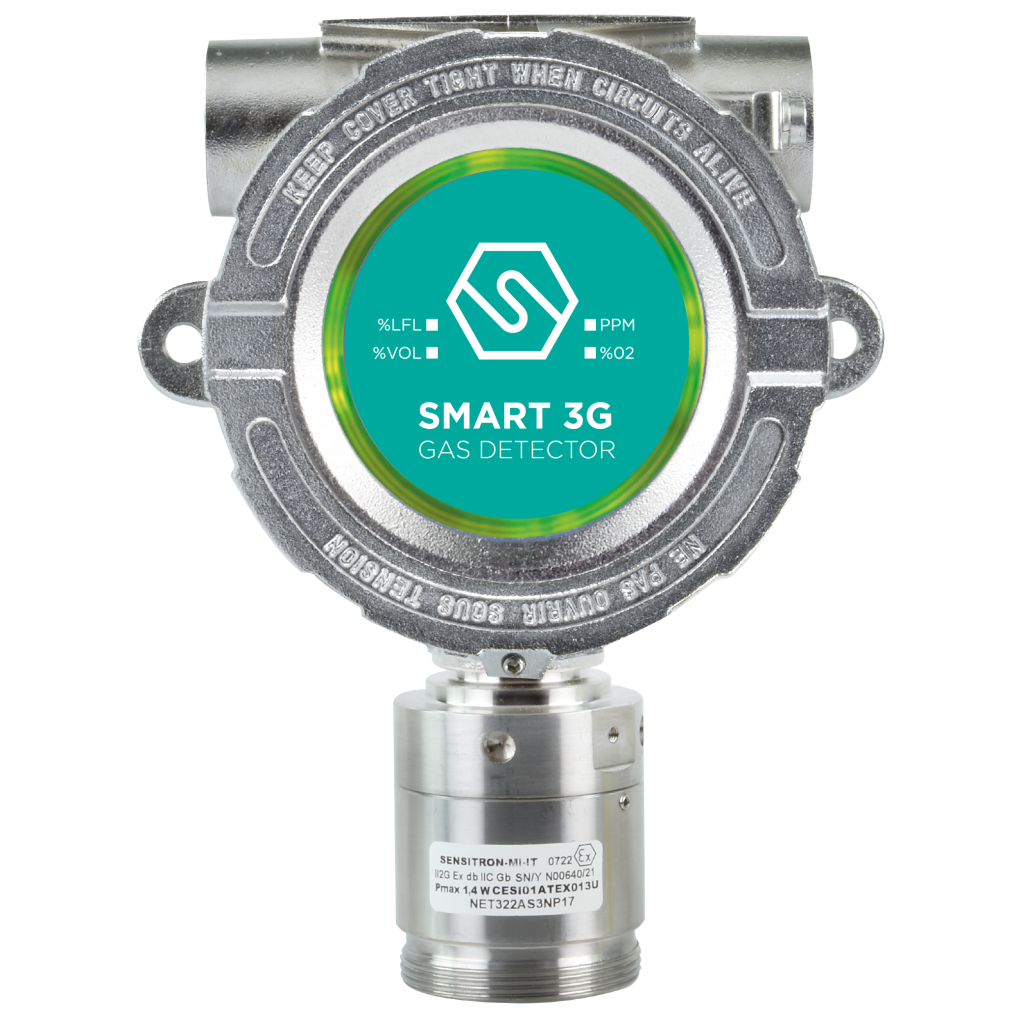
Sensitron Gas Detector UAE

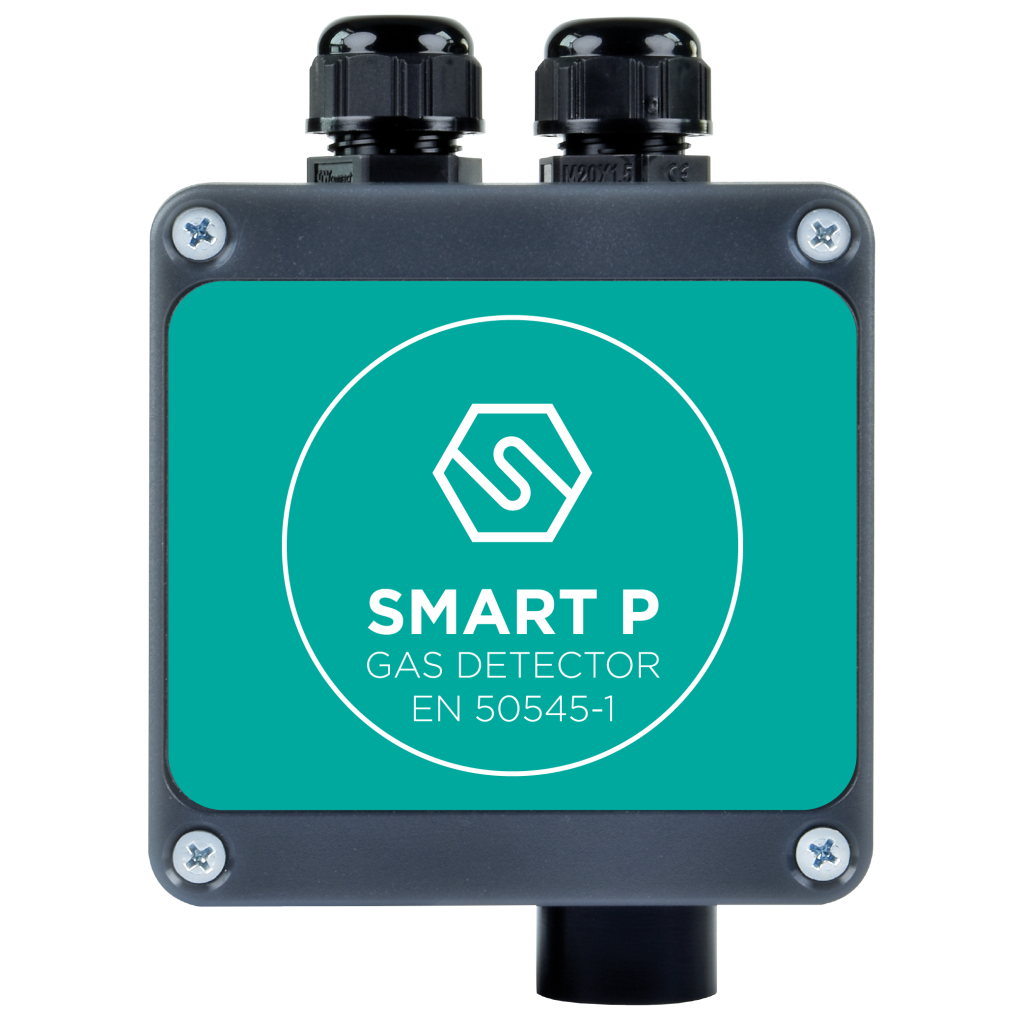
SMART-P1-Gas Detector

Smarter Gas Safety Starts with Sensitron Gas Detector Solutions in the UAE

Gas-related risks often develop silently, making early detection critical for safety and operational continuity. At Azar UAE, we deliver advanced gas monitoring solutions designed to identify threats before they escalate. As a reliable provider of Sensitron gas detector UAE systems, we help businesses maintain safe environments through precise, continuous gas detection.
Sensitron is known worldwide for engineering dependable gas detection technology that performs accurately in demanding conditions. By integrating Sensitron solutions into our safety offerings, we ensure our clients receive systems that are practical, responsive, and built for long-term use. From initial consultation to system commissioning, we focus on delivering gas detection solutions that protect people, assets, and operations.

Why Choose Azar UAE for Sensitron Gas Detectors?

Providing a gas detector is only one part of the solution. Proper design, installation, and support determine how effective the system will be over time. At Azar UAE, we focus on delivering complete gas detection solutions.

What sets us apart:

Our experience allows us to deliver Sensitron gas detector UAE solutions that perform reliably throughout their service life.
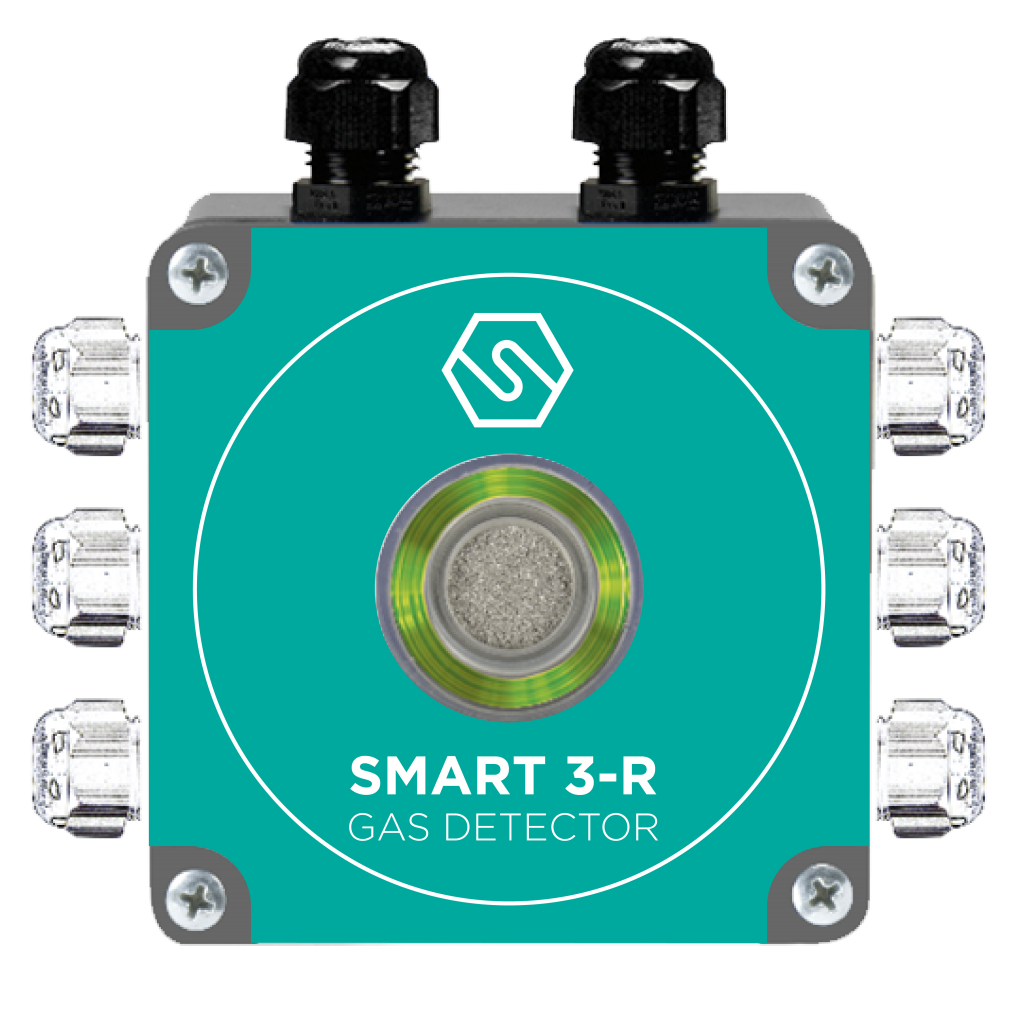
SMART3-R-Gas Detector

Key Features of Sensitron Gas Detection Solutions

Sensitron systems are trusted worldwide due to their robust design and dependable sensing technology. At Azar UAE, we recommend Sensitron because of its proven performance in demanding conditions.

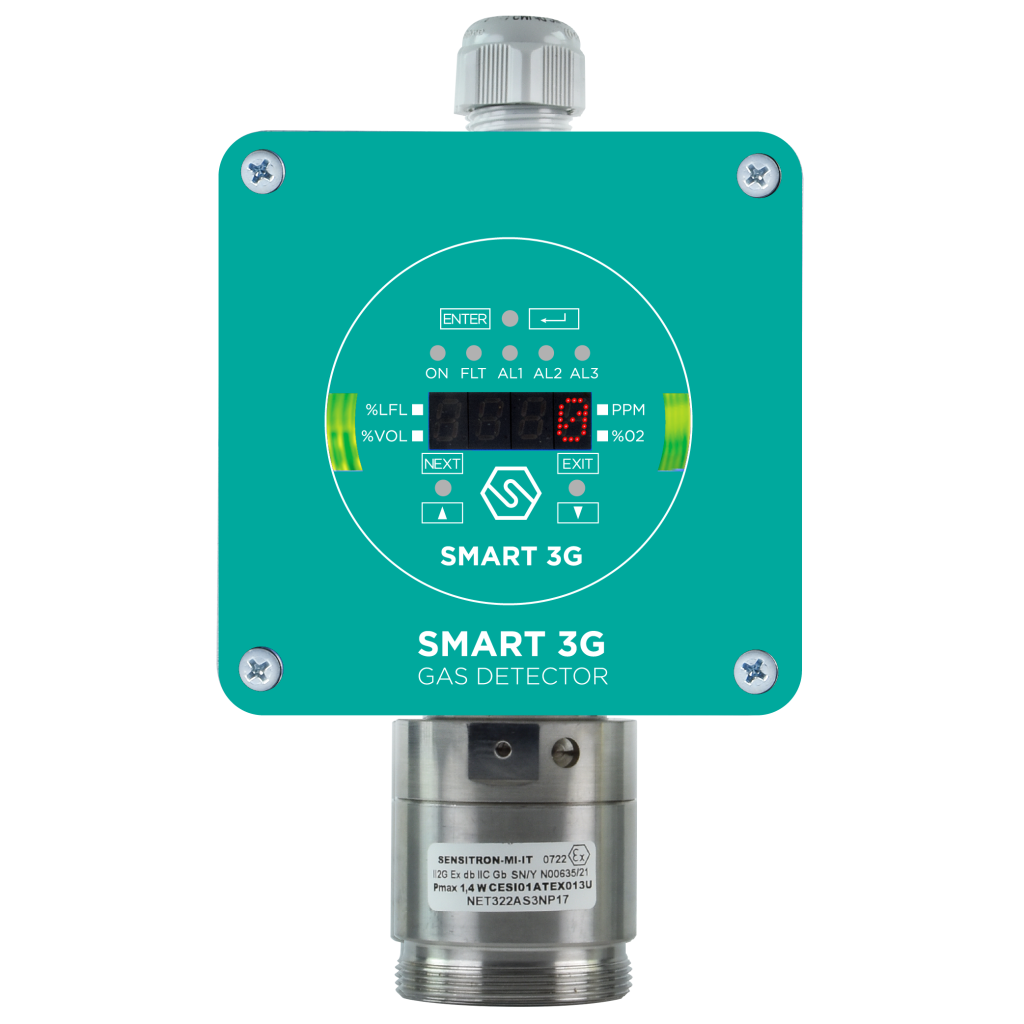
SMART3G-D3-Gas-Detector

Key features include:

These features make Sensitron gas detectors suitable for both commercial and industrial safety applications.

Understanding Sensitron Gas Detector Technology

Selecting the right gas detection system depends on the type of gas, location, and risk level. At Azar UAE, we assist clients in choosing Sensitron solutions that match their operational needs. .

Types of Gases Detected

Sensitron gas detectors are commonly used for detecting:
Each detector is selected based on the specific gas risk present in the environment.

System Configuration

Sensitron gas detection systems can be configured to:
This flexibility ensures a coordinated safety response when gas hazards are detected.
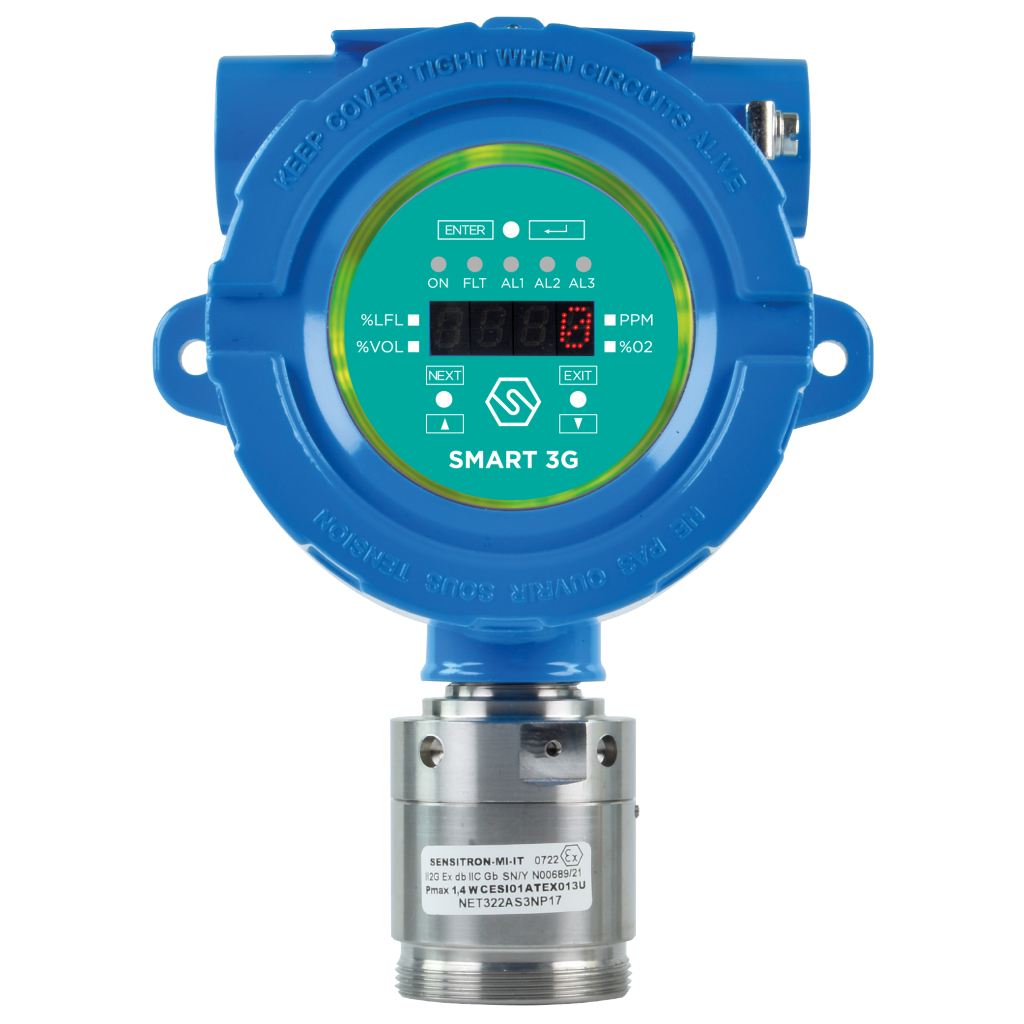
SMART-3G-D2-Gas-Detector

Where Sensitron Gas Detectors Are Commonly Used

Gas detection requirements vary depending on the environment, type of gas, and operational risks. Based on industry practices and real-world applications, Sensitron gas detectors are widely used in locations where gas leaks could pose safety threats.

Commercial buildings and offices

Parking areas and basements

Industrial plants and factories

Mechanical rooms and utility areas

Kitchens and food preparation zones

Warehouses and storage facilities

In these environments, a reliable Sensitron gas detector UAE solution provides early warnings that allow corrective action before conditions become dangerous.

SMART3G-C2-LD

Standards and Safety Compliance

Gas detection systems must meet strict safety and quality requirements. At Azar UAE, we ensure that all Sensitron gas detector UAE installations align with applicable safety standards and manufacturer guidelines.

Our compliance approach includes:

This ensures long-term reliability and dependable operation in safety-critical environments.

Our Practical Approach to Gas Detection Projects

We follow a clear and efficient process to ensure successful system deployment.

Site Assessment

We evaluate the area, gas risks, and environmental conditions.

System Selection

We recommend the right Sensitron gas detector based on gas type and usage.

Installation & Configuration

Detectors are installed and connected to alarms or control systems.

Testing & Handover

We test the system thoroughly before final handover.

Support & Maintenance

We remain available for inspections, servicing, and future upgrades.

FAQ

Combustible gas detectors measure how close the air is to its Lower Explosive Limit (LEL), the minimum concentration of a gas in air that can ignite, and alarm well before that point is reached, typically at 10% and 25% of LEL for a two-stage warning. Catalytic bead sensors are the traditional choice and work by burning a small gas sample on a heated element, while infrared sensors measure gas by how it absorbs light and don’t need oxygen to function.

Normal air is about 20.9% oxygen, and most safety guidance treats 19.5% to 23.5% as the acceptable working range. Below 19.5% is an oxygen-deficient atmosphere that can impair or incapacitate someone with little warning, while above 23.5% is oxygen-enriched, which dramatically increases fire and explosion risk since materials burn faster and hotter. A gas detection system covering oxygen needs to alarm on both ends, not just the low side.

A bump test is a quick, roughly one-minute check confirming the sensor responds and the alarm triggers, generally recommended daily or before use in higher-risk environments. Calibration adjusts the detector’s actual readings against a known reference gas to correct for sensor drift, done on a schedule set by the manufacturer or whenever a unit fails a bump test. Skipping calibration in favour of bump tests alone means the alarm might still fire, just not at the concentration it’s supposed to.

Fixed detectors are permanently installed at known risk points, plant rooms, parking areas, kitchens, and continuously monitor that location. Portable detectors go with a person entering a space that isn’t permanently monitored, most importantly confined spaces, and are standard for maintenance or inspection work where the atmosphere hasn’t already been verified safe. Most facilities with fixed high-risk areas end up needing both.

A kitchen hood fire suppression system responds after a fire has started at the cooking line. A gas detector is there for the hazard before that: an LPG or natural gas leak building up in the air, which is a combustible gas and, at high enough concentration, an asphyxiation risk long before it becomes a fire. The two systems address different failure points and aren’t a substitute for each other.

Combustible gas detection measures how close the air is to an explosive concentration, a physical threshold the same regardless of which gas is present. Toxic gas detection is usually electrochemical and gas-specific, an H2S sensor doesn’t detect ammonia and vice versa, so a facility with more than one toxic gas risk generally needs a sensor for each gas rather than one that catches everything.

Send Message


Protect Your Facility with Sensitron Gas Detector Solutions from Azar UAE

Gas leaks can escalate quickly if left undetected. At Azar UAE, our Sensitron gas detector UAE solutions provide early detection, fast alerts, and dependable protection for people and property. By combining trusted Sensitron technology with our technical expertise, we help create safer working and living environments.

If you are planning to install or upgrade a gas detection system, our team is ready to assist. Contact us today to learn more about our Sensitron gas detection solutions and how we can support your safety requirements.