
Need Help?

Flame Detection System

Flame Detector Systems for Industrial Sites in the UAE

A flame detector is an optical fire detector that identifies a fire from the ultraviolet (UV) or infrared (IR) radiation its flame emits. Because it sees the flame directly, it does not wait for smoke or heat to travel to it. That lets a flame detector raise an alarm within seconds across fuel tank farms, open process areas and high-roofed warehouses, where smoke and heat detectors respond late or not at all.
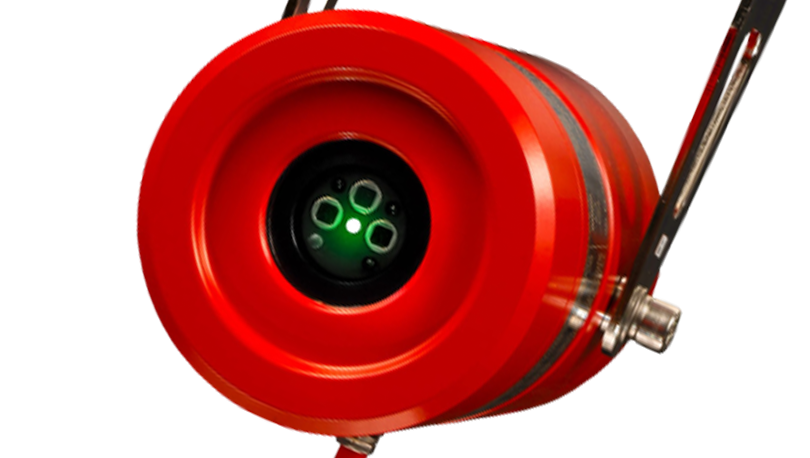
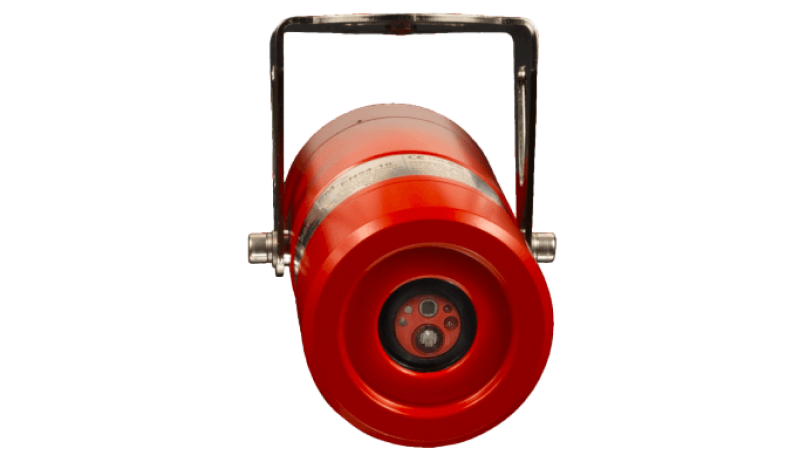
AZAR Fire Safety Systems supplies and installs Crowcon flame detectors in the UAE. We specify the FGard IR3 multi-spectrum infrared detector for outdoor hydrocarbon hazards and the FGard UV/IR detector for indoor and semi-enclosed areas. Our Dubai team covers the full scope: hazard and coverage assessment, detector selection, installation, commissioning with a flame simulator, and scheduled maintenance.

When Your Site Needs a Flame Detector

Smoke and heat detectors wait for combustion products to travel to them. That works in offices and corridors, but not everywhere. A flame detector is the better fit when:

Flame detection is not a replacement for smoke detection in occupied rooms. For long, narrow risks such as cable trays, conveyors or tunnels, a linear heat detection system is often the better tool. We recommend the mix after a site review.

How a Flame Detector Sensor Works

Every flame detector sensor looks for radiation in specific wavelengths. The technology decides which fires it sees, how far it sees them and what might fool it.

Multi-Spectrum Infrared (IR3)

IR3 detectors read three infrared bands and alarm only when the pattern matches a real flame. This makes them highly resistant to sunlight, hot surfaces and reflections, and suits outdoor plant, fuel areas and long sight lines. They are designed for hydrocarbon fires such as petrol, diesel, methane and propane.

Combined UV/IR

UV/IR detectors pair an ultraviolet sensor with an infrared sensor and alarm only when both agree. The cross-check cuts nuisance alarms that a single sensor would raise, such as a UV-only unit reacting to a welding arc.

Single-Sensor UV or IR

UV-only detectors respond fastest but can be triggered by sunlight, arc welding and lightning, so they suit controlled indoor areas. Single IR detectors ignore sunlight better but can react to hot machinery or steam.

Crowcon Flame Detectors We Supply

Model Technology Published performance Typical use
Crowcon FGard IR3 Multi-spectrum IR, explosion-proof Up to 60 m range; under 5 s typical response to a 0.1 m² fire at 60 m; heated optics prevent condensation Outdoor process areas, tank farms, fuel loading, large open hazards
Crowcon FGard UV/IR One UV sensor + one IR sensor Up to 39 m; 100° horizontal × 80° vertical field of view Indoor and semi-enclosed hazards, plant rooms, warehouses with flammables
Crowcon FGard SIM Flame simulator (test tool) Functional test from 3–8 m without removing the detector Commissioning and routine testing
Figures are manufacturer-published. We provide the current Crowcon datasheet for your project on request.

Choosing the Right Flame Detector for UAE Conditions

The right detector depends on your site, not just the fuel. These are the questions we work through with you:

Where We Install Flame Detection

Where a flame detector needs to trigger a suppression release, detection and discharge logic should be designed together. AZAR also supplies CO2, foam deluge and clean agent suppression systems, so both sides are handled by one team.

From Site Survey to Ongoing Maintenance

Hazard and coverage review

we identify fire sources, sight lines, obstructions and interference such as sunlight or welding zones.

Detector selection and layout

we choose the technology and place each flame detector so its field of view covers the hazard without blind spots.

Installation and wiring

detectors are mounted, aligned and connected to your fire alarm or control panel.

Commissioning and functional test

each detector is tested with a certified flame simulator and alarm outputs are verified end to end.

Maintenance

periodic functional tests, lens inspection and cleaning, with records for your safety audits.

Frequently Asked Questions

A smoke or heat detector reacts only once combustion products physically reach it. A flame detector reacts to the light from the flame itself, so it can alarm from a distance across an open area. Many sites need both: flame detection for the fuel or process hazard, smoke detection for occupied rooms.
It depends on the size of the hazard, the detector’s range and field of view, and what blocks its line of sight. Tanks, pipe racks and structures create shadows a single detector cannot see past. We map coverage during the site review so each hazard is seen by the required number of detectors.
Yes, if the technology is chosen for it. Multi-spectrum IR detectors are designed to reject sunlight and hot-surface radiation, and heated optics keep the window clear of condensation. We check each detector’s rated temperature range against your site conditions before selection.
Yes. Dirt or oil film on the window reduces how far the sensor can see. Detectors with automatic window checks will report a dirty lens as a fault, but placement for safe cleaning access and a regular inspection schedule are still essential.
Yes. Its alarm output can be wired into a control panel that releases suppression, shuts down equipment or closes fuel valves. The release logic, such as how many detectors must confirm a fire, is set at design stage. AZAR designs detection and suppression together for this reason.
Please contact us with the make and model. We provide after-sales service, calibration and spare parts support for fire safety equipment, and will confirm what we can support for your existing system.

Send Message


Get the Right Flame Detector Specified for Your Site

Tell us about your facility, the fuels on site and any drawings you have. Our team will advise on detector technology, coverage and integration with your fire alarm or suppression system, then send a written proposal.