

A gas detector is a safety device that measures the concentration of a specific gas in the air and raises an alarm before it reaches a dangerous level. Gas detectors cover three hazards: combustible gases that can ignite, toxic gases that can poison, and oxygen levels that are too low or too high. Most gas leaks give no warning to people nearby, which is why continuous detection is required in plant rooms, kitchens, car parks and industrial process areas.

| Hazard | What is measured | Example gases | Where it occurs |
|---|---|---|---|
| Combustible | % of Lower Explosive Limit (LEL) | Methane, propane, LPG | Fuel stores, gas-fired plant rooms, commercial kitchens |
| Toxic | Parts per million (ppm) | Hydrogen sulphide, ammonia, carbon monoxide, nitrogen dioxide | Process areas, wastewater, refrigeration, car parks |
| Oxygen | % volume in air | Oxygen (normal air ≈ 20.9%) | Confined spaces, inert gas stores, nitrogen or CO2 systems |
| Refrigerant | ppm | A1 and A2L refrigerants used in chillers, VRF and cold rooms | Chiller plant rooms, machine rooms, hotels, cold storage |
| VOCs | ppm | Solvents, paints, adhesives | Pharmaceutical labs, printing, coating |
Combustible detectors typically alarm at 10% and 25% of the LEL, well before a gas mixture can ignite. Oxygen detectors alarm on both sides of the safe working range, usually below 19.5% and above 23.5%.

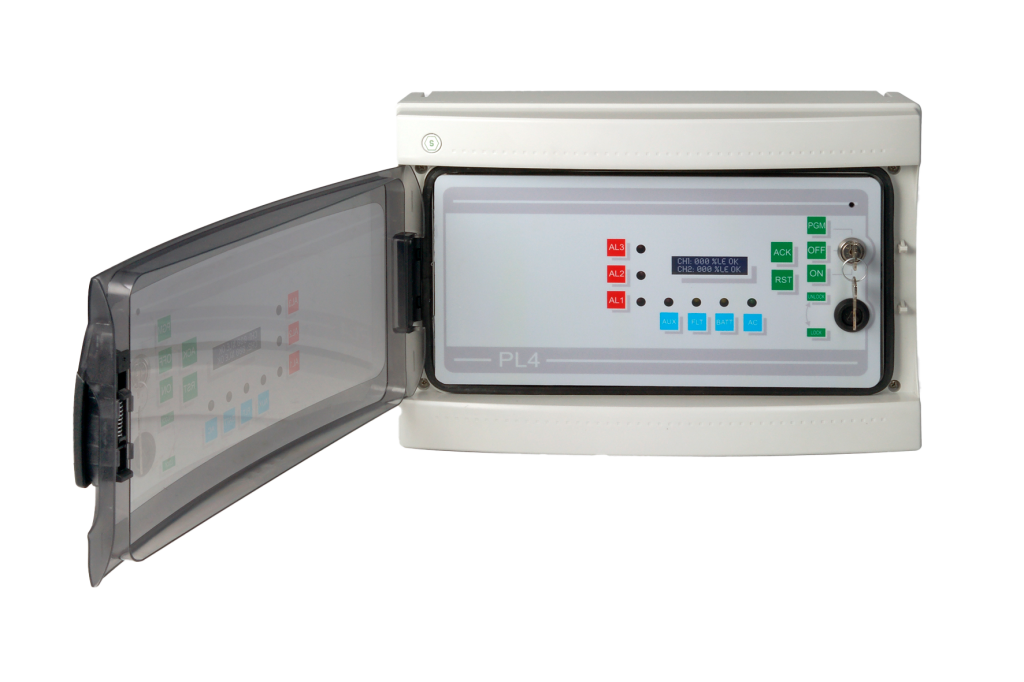
We select fixed detectors from three Sensitron families. The choice comes down to whether the area is classified as hazardous, which gases are present and how the detector must report.
| Range | Where it is used | Gases detected | Key features |
|---|---|---|---|
| Sensitron SMART 3G | Hazardous (classified) and non-hazardous areas | Flammable, toxic, refrigerant gases, oxygen; more than 50 gases across the series | Zone 1 models (D2, C2, C2-LD) and Zone 2 models (D3, C3); ATEX and IECEx; 4-20 mA output with relays; continuous self-diagnosis |
| Sensitron SMART S | Demanding industrial and classified areas; marine version available | Flammable, toxic, CO2, VOC and refrigerant gases | ATEX Zone 1, IECEx; SIL2 hardware / SIL3 software; 4-20 mA with optional HART; LCD or LED display |
| Sensitron SMART 3 | Non-hazardous (unclassified) areas | Refrigerants, CO2, flammable and toxic gases | SMART 3 R and Blizzard for refrigerant leaks in machine rooms; 3H-LITE wall and flush-mount units for hotels and commercial buildings |
| Type | Models | What it measures | Typical use |
|---|---|---|---|
| Single-gas | Crowcon Clip SGD, Gasman, UnoIQ | One gas, such as H2S, CO, O2 or flammable | Personal alarm for a known single hazard |
| Personal multi-gas | Crowcon T4x, T4, Gas Pro | Up to 4 or 5 gases, typically flammable, O2, CO and H2S | Confined space entry and daily personal protection |
| Specialist multi-gas | Gas Pro IR, Gas Pro PID | Infrared flammable sensing; VOCs by photoionisation | Contaminated environments; solvents, paints and adhesives |
| Area monitor | Crowcon DetectiveIQ | Up to 7 gases | Shutdowns, turnarounds and hot work where fixed detection is impractical |
Most facilities need both: fixed detectors at known risk points, and portable detectors for people working anywhere else. Tell us the gases and the work being done and we will recommend the right unit.
Each sensor technology suits certain gases and conditions. The wrong choice leads to missed alarms or false alarms.


we identify every gas present, leak sources, airflow and ventilation.

we choose sensor types and alarm levels, and place each detector at the right height for the gas, since lighter and heavier gases collect in different places.

detectors are mounted and wired to the control panel, alarms, ventilation or BMS.

each detector is tested with calibration gas and every alarm output is verified before handover.
scheduled calibration, functional checks and sensor replacement at end of life, with records for your audits.
A bump test is a quick check that a detector responds to gas and alarms. A calibration adjusts the detector’s reading against a known reference gas. Portable units are commonly bump tested before each use; both fixed and portable units need calibration on the manufacturer’s schedule.
Gas detectors installed where flammable gas may be present must carry hazardous area certification, such as ATEX or IECEx, for that zone. We check each detector’s certification against your site requirements and install to manufacturer guidance and local authority requirements, delivering your system through to Dubai Civil Defence sign-off where required.
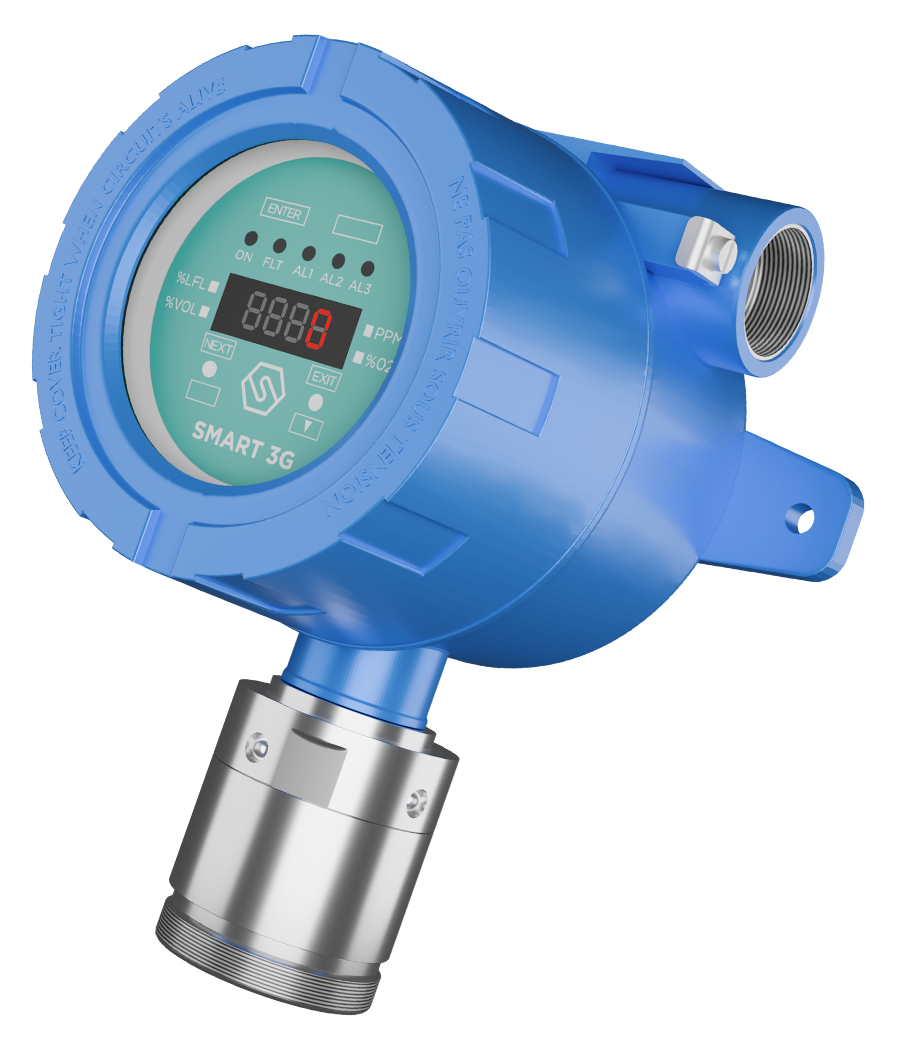
SMART 3G, SMART S and SMART 3 fixed detectors and control panels

portable single-gas and multi-gas detectors
Start with the gases present, then the area, the people at risk and what should happen when gas is detected. A kitchen using LPG, a chiller plant room and a process area with hydrogen sulphide each need different sensors and mounting heights. Our site assessment produces a detector schedule covering gas, quantity, location and alarm action.
It depends on the gas density. Gases lighter than air, such as methane, rise, so detectors go near the ceiling. Gases heavier than air, such as LPG and many refrigerants, sink, so detectors go near the floor. Detectors should also sit close to likely leak points such as valves, joints and appliances.
Yes. A fixed system can start extract fans at a first alarm level and raise a full alarm at a second level. This clears low-level leaks automatically and limits fan running time to when it is needed.
A gas detector is the sensing device at one point. A gas leak detection system is the full installation: detectors, control panel, alarms, wiring and the actions linked to them, such as ventilation or shutdown. AZAR designs and installs the complete system, not just the detectors.
Follow the manufacturer’s schedule for the sensor type, and recalibrate whenever a detector fails a functional test. Electrochemical sensors commonly need recalibration every 6 to 12 months and replacement after a few years. We schedule this as part of maintenance and keep records for your inspections.
Please send us the make and model. We provide calibration services for gas detectors and will confirm what we can support for your existing equipment.