
Fire safety technologies continue to evolve as industries seek safer, more sustainable, and environmentally responsible solutions. Across the UAE, businesses operating in high-risk environments such as oil and gas facilities, airports, warehouses, manufacturing plants, logistics hubs, marine facilities, and industrial complexes are increasingly reviewing their fire suppression systems and foam agents.
One of the biggest shifts currently taking place in the fire protection industry is the transition from AFFF (Aqueous Film Forming Foam) to SFFF (Synthetic Fluorine-Free Foam).
For decades, AFFF foam has been widely used for combating flammable liquid fires. However, growing environmental concerns, regulatory developments, and advancements in fluorine-free technology have encouraged many organizations to explore safer alternatives.
As a result, more UAE facilities are adopting SFFF foam systems as part of their long-term fire protection strategy.
This guide explains the differences between AFFF and SFFF foam, why the transition is gaining momentum, the benefits of fluorine-free fire suppression, and what facility owners should consider when upgrading their fire protection systems.
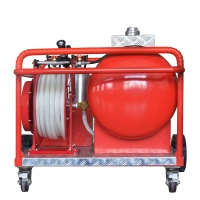
AFFF, or Aqueous Film Forming Foam, has been a common firefighting agent for Class B flammable liquid fires for many years.
It is designed to:
Because of its effectiveness, AFFF became widely used in:
For decades, it was considered one of the most reliable foam-based fire suppression solutions available. However, environmental concerns surrounding certain chemical components used in traditional AFFF formulations have led many industries to reconsider their long-term use.
SFFF stands for Synthetic Fluorine-Free Foam. Unlike traditional AFFF products, SFFF foam does not contain fluorinated compounds. Instead, it uses advanced synthetic formulations designed to provide effective fire suppression without relying on fluorine-based chemistry.
Modern fluorine-free foam technology has advanced significantly in recent years, allowing many SFFF products to achieve excellent performance across a variety of fire scenarios.
Today, SFFF solutions are increasingly being selected for both new installations and fire protection system upgrades worldwide.
The transition from AFFF to SFFF is driven by several important factors.
Environmental sustainability has become a priority for organizations across the UAE.
Many companies are actively working to reduce environmental risks while aligning with corporate sustainability goals.
Fluorine-free foam systems offer several environmental advantages because they avoid the use of persistent fluorinated compounds associated with traditional AFFF formulations.
As environmental awareness continues to grow, fluorine-free solutions are becoming an attractive option for responsible facility management.
Many organizations prefer to invest in fire protection technologies that can support long-term operational requirements.
Upgrading to SFFF foam allows facilities to adopt modern fire suppression technology while preparing for evolving industry standards and expectations.
Forward-thinking businesses often view fluorine-free solutions as part of their future-proofing strategy.
Large industrial operators, multinational companies, logistics providers, and infrastructure developers increasingly prioritize sustainability reporting and environmental performance.
Implementing fluorine-free fire suppression systems supports broader environmental objectives and demonstrates a commitment to responsible operational practices.
Like traditional firefighting foam, SFFF works by creating a barrier between the fuel source and oxygen.
The foam helps:
Modern fluorine-free formulations are designed to deliver effective performance while minimizing environmental impact.
Advancements in foam technology have significantly improved the firefighting capabilities of SFFF products, making them suitable for many industrial and commercial applications.
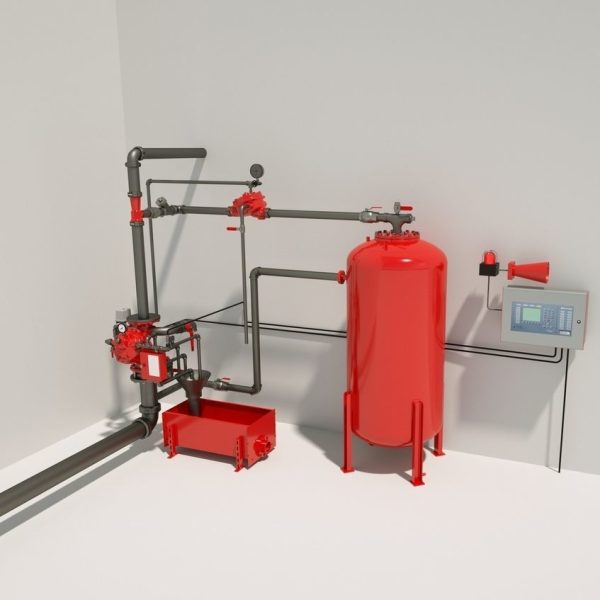
One of the primary reasons facilities choose fluorine-free foam is its environmental profile.
Organizations increasingly recognize the importance of minimizing environmental risks associated with firefighting operations and foam testing activities.
Businesses that prioritize sustainability often consider fluorine-free systems an important component of their environmental management programs.
This supports:
Many modern fire safety projects are now designed around environmentally conscious technologies.
SFFF systems align well with these objectives while maintaining robust fire suppression capabilities.
Facility owners often seek solutions that balance fire protection effectiveness with future operational requirements.
Fluorine-free foam systems provide confidence that facilities are adopting technologies aligned with evolving industry trends.
The shift toward SFFF is occurring across multiple sectors.
Common industries include:
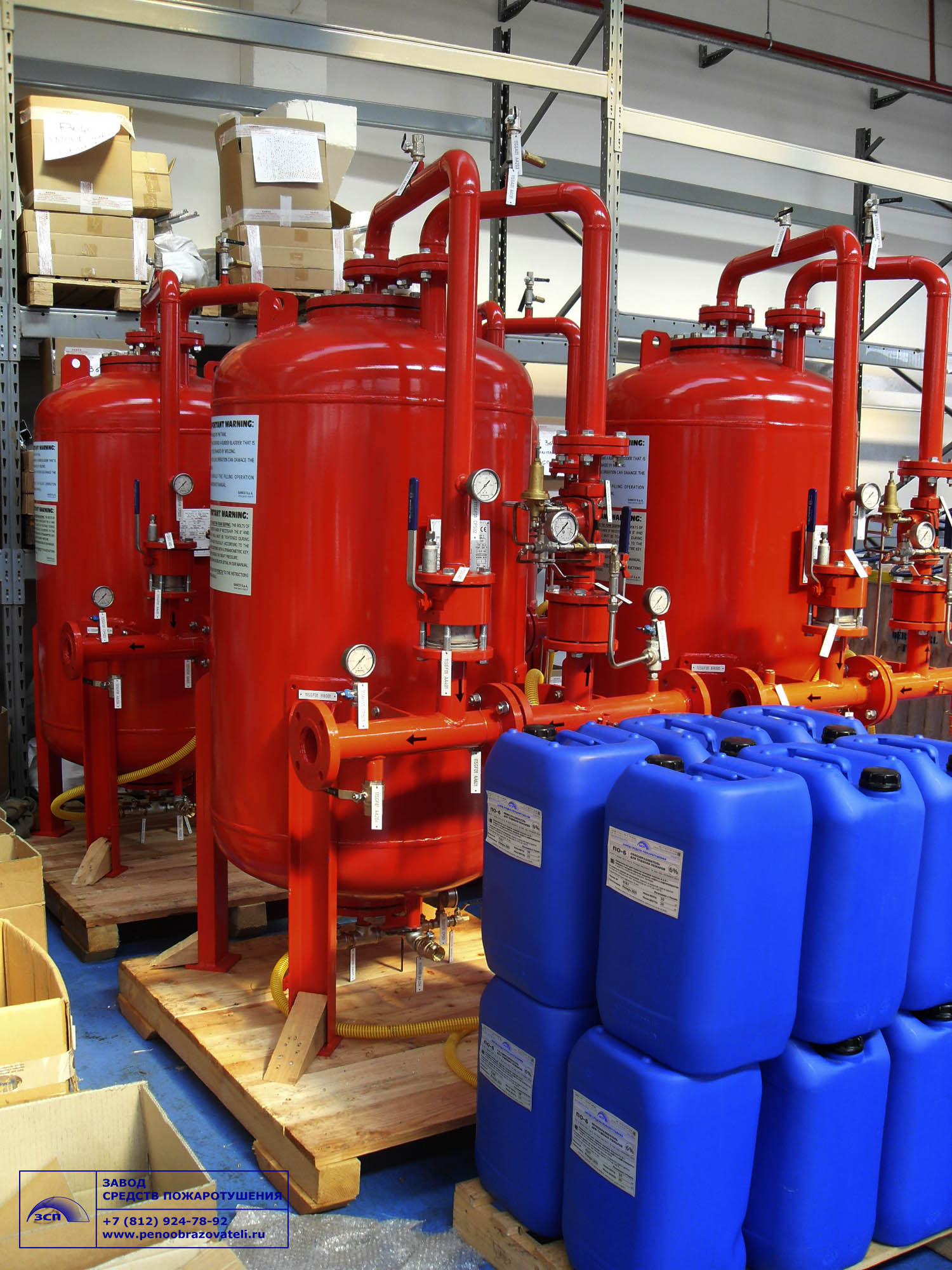
Fuel storage areas, processing facilities, and energy infrastructure continue to evaluate fluorine-free alternatives as part of broader environmental initiatives.
Airports and aviation-related facilities often require highly effective fire suppression systems while maintaining environmental responsibility.
Airports and aviation-related facilities often require highly effective fire suppression systems while maintaining environmental responsibility.
Large storage facilities handling combustible materials increasingly explore fluorine-free protection options.
Ports, terminals, and marine operations benefit from advanced fire suppression solutions that support environmental protection goals.
Industrial operations seek reliable fire protection while minimizing environmental impact and supporting sustainability targets.
Many facility owners ask whether their current systems can be upgraded rather than completely replaced.
The answer depends on several factors, including:
A professional fire protection assessment is essential before making any transition.
Qualified fire safety specialists can evaluate existing infrastructure and recommend the most effective upgrade strategy.
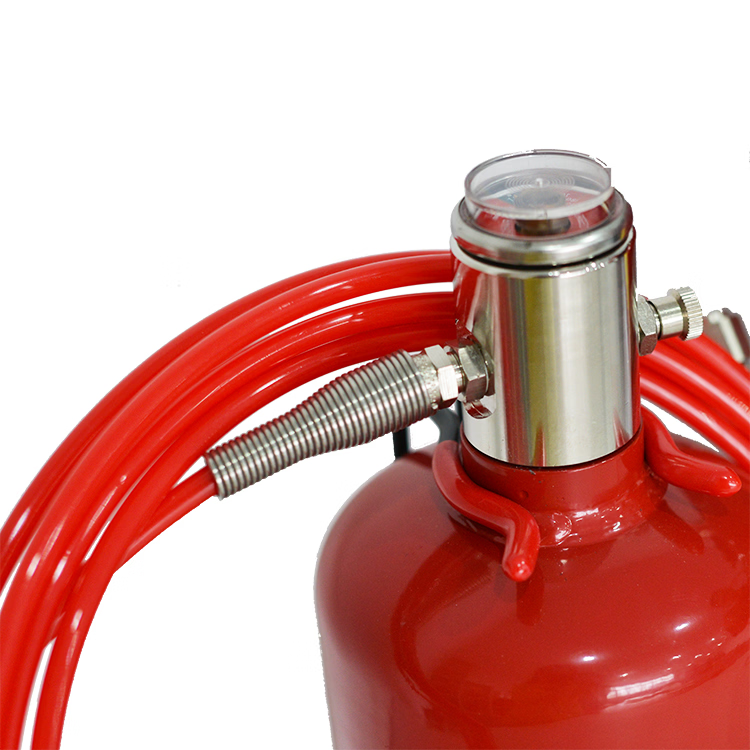
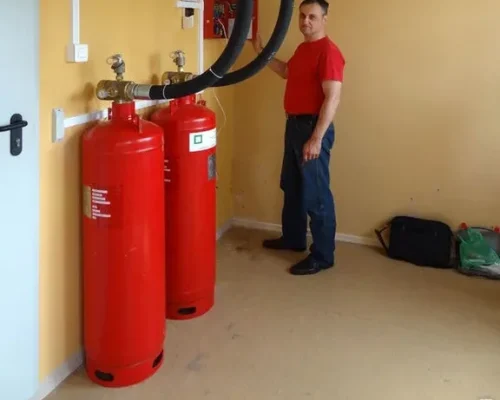
Switching from AFFF to SFFF involves more than simply replacing foam concentrate.
A proper evaluation should review:
Professional engineering support ensures that the upgraded system maintains effective fire protection performance while meeting project requirements.
When planning a foam system upgrade, selecting an experienced fire protection provider is critical.
A qualified fire safety specialist can assist with:
Working with experienced professionals helps ensure a smooth transition and long-term system reliability.
Industry experts expect the adoption of fluorine-free fire suppression systems to continue growing.
The combination of:
makes SFFF an increasingly attractive solution for modern facilities.
As organizations continue to modernize their fire protection infrastructure, fluorine-free foam systems are becoming an important part of future-ready fire safety strategies.
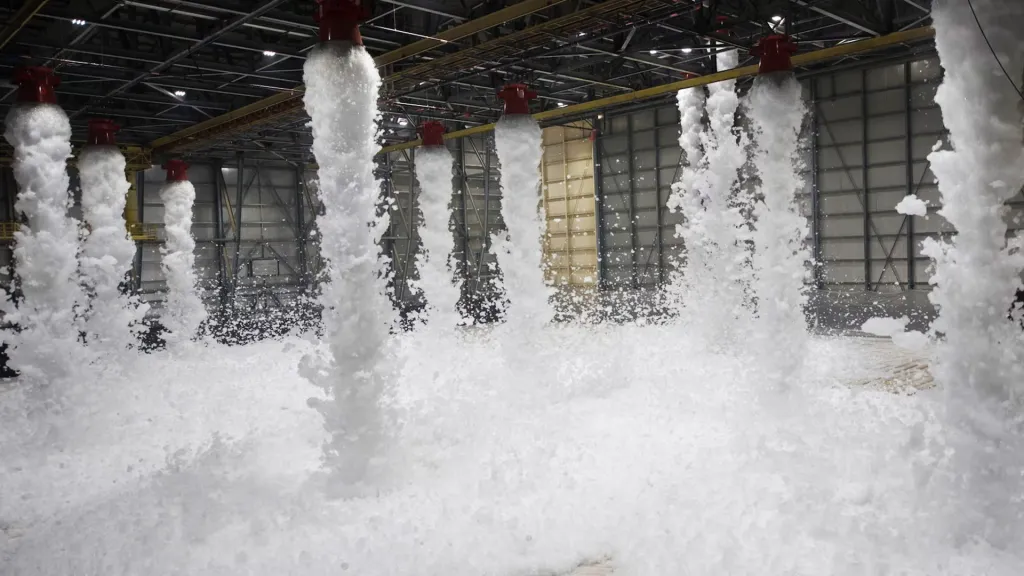
The transition from AFFF to SFFF foam represents one of the most significant developments in modern fire protection. As UAE facilities focus on sustainability, environmental responsibility, and long-term operational resilience, fluorine-free fire suppression systems are becoming a preferred choice across multiple industries.
While every facility has unique fire protection requirements, the growing adoption of SFFF demonstrates a clear industry movement toward safer and more environmentally conscious solutions. Proper planning, professional system assessments, and expert implementation are essential to ensuring a successful transition.
At AZAR FIRE SAFETY SYSTEMS L.L.C, we provide comprehensive fire protection solutions designed to meet the evolving needs of commercial, industrial, and high-risk facilities across the UAE. From fire suppression system design and upgrades to testing, commissioning, and maintenance services, our experienced team helps clients implement reliable, compliant, and future-ready fire safety systems. Contact us today to learn more about our advanced fire protection solutions and system upgrade services.