
Fire safety is one of the most important parts of protecting any building, whether it is a commercial space, industrial facility, data center, or storage area. Traditional fire systems often use water, but water is not always suitable for every environment. In some cases, it can damage sensitive equipment or create additional risks.
This is where CO2 fire suppression systems become highly useful. Many business owners and facility managers often ask, what is CO2 fire suppression system and how does it work? In simple terms, it is a fire protection system that uses carbon dioxide gas to quickly control and extinguish fires without leaving residue.
In this guide, we will break down everything in easy words so you can clearly understand how this system works and where it is best used.
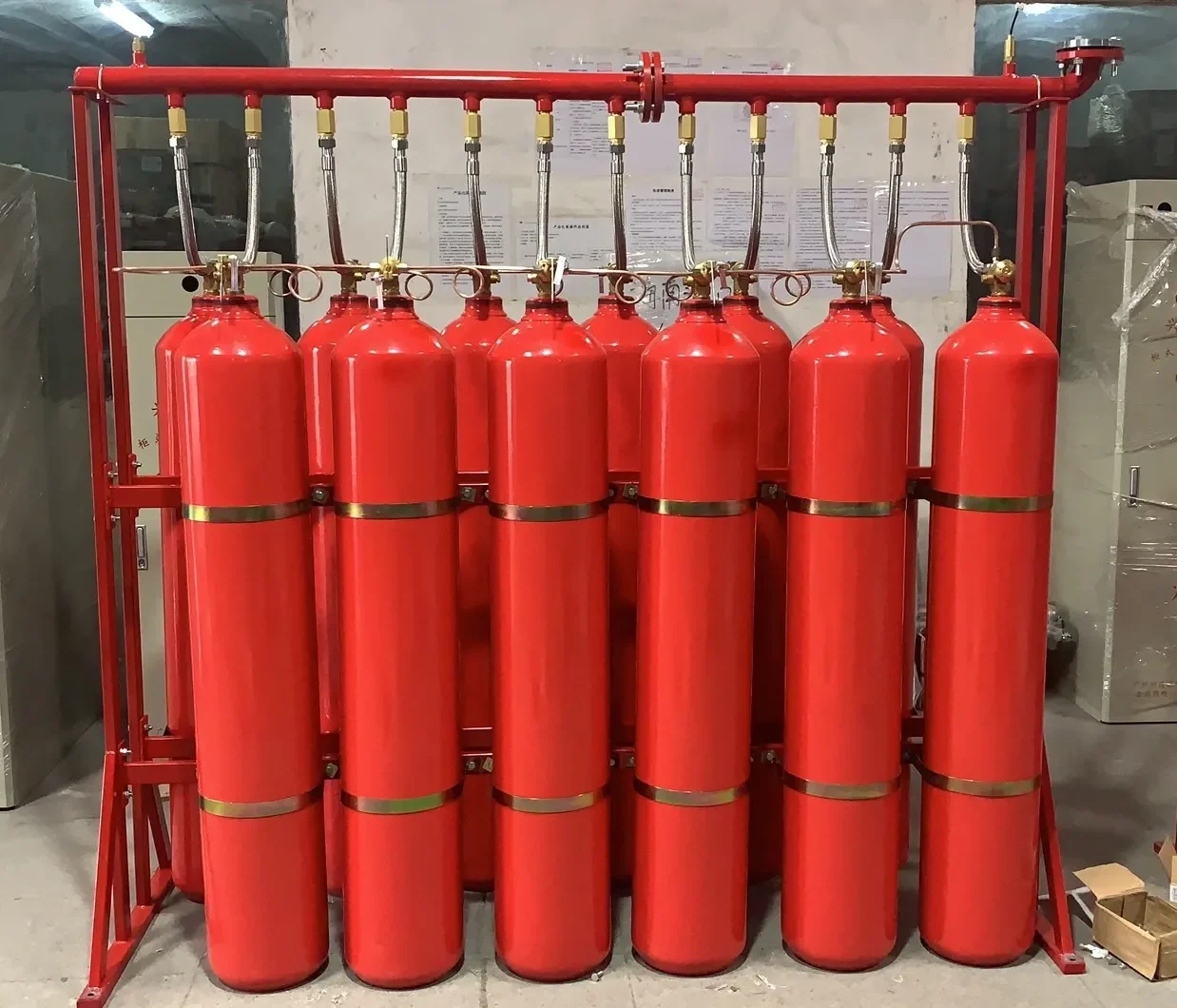
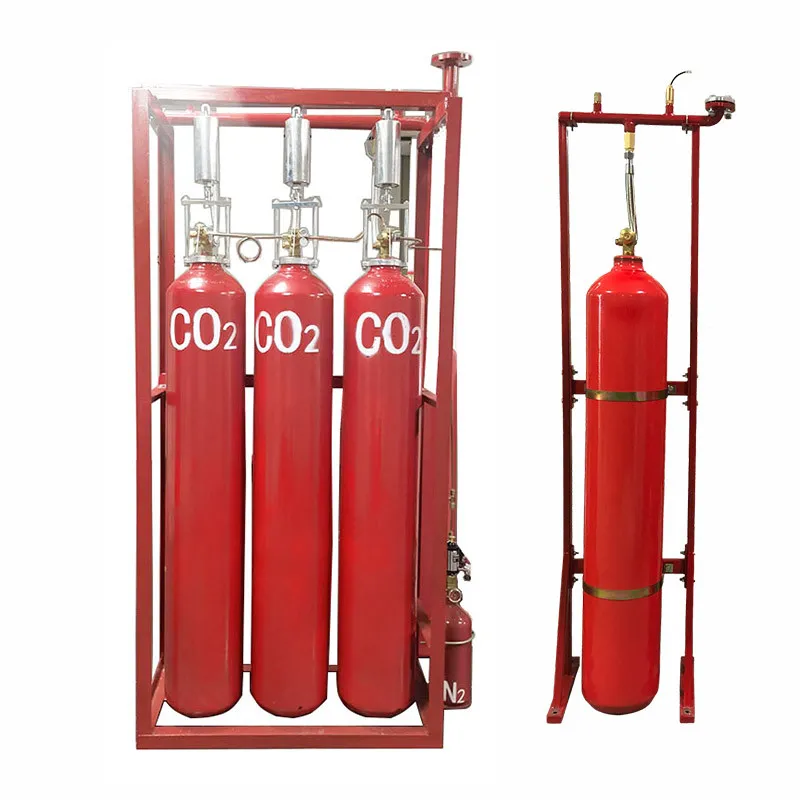
A CO2 fire suppression system is a fixed fire protection system that uses carbon dioxide gas to put out fires. Instead of using water or foam, it releases CO2 gas into the protected area.
Carbon dioxide works by:
Since fire needs oxygen to survive, reducing oxygen levels quickly suppresses the flames.
CO2 systems are especially effective in areas where water-based systems may cause damage.
Understanding how it works makes it easier to see why it is effective.
Here is a simple step-by-step explanation:
The system detects fire through smoke detectors, heat sensors, or flame detectors.
An alarm is triggered to warn people in the area.
The system releases stored CO2 gas into the protected space.
The gas reduces oxygen levels to a point where fire cannot continue burning.
The fire is extinguished quickly without using water.
The entire process happens within seconds, making it highly efficient in emergencies.
When learning what is CO2 fire suppression system, it is also important to understand its types.
This system releases CO2 into an entire enclosed area.
Used for:
The goal is to fill the entire room with enough gas to suppress the fire.
This type targets a specific hazard instead of the whole room.
Used for:
It focuses directly on the fire source, making it ideal for high-risk equipment.
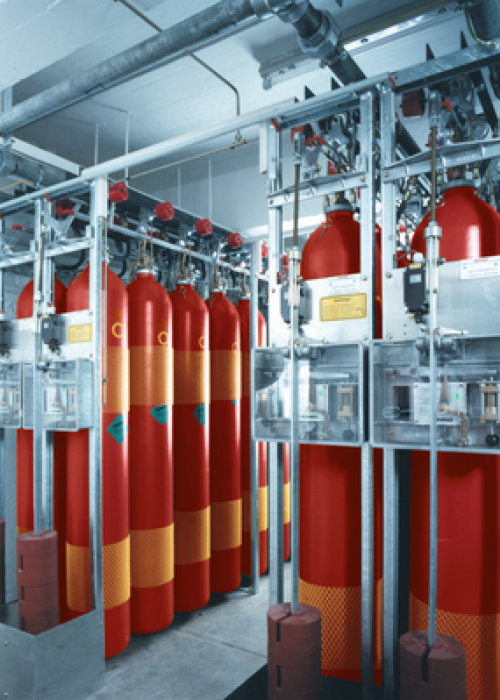
Different types of gases are used depending on the type of environment and the assets being protected. Below are the most common gas-based systems:
In these areas, electrical equipment or flammable liquids are present, and water-based fire suppression may not be suitable.
There are several reasons why businesses choose CO2 systems.
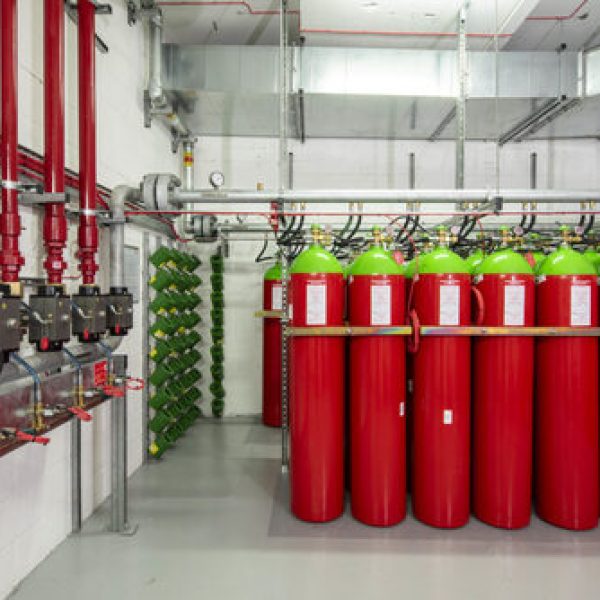
Since no water is used, there is no risk of damaging electrical equipment.
CO2 systems act quickly and control fires in seconds.
Unlike foam or powder systems, CO2 leaves no residue to clean up.
It is highly effective for Class B (flammable liquids) and electrical fires.
For certain industrial applications, CO2 systems are more economical compared to other gas-based systems.
While understanding what is CO2 fire suppression system, safety is very important.
CO2 reduces oxygen levels, which can be dangerous for humans if exposed without warning.
Therefore, these systems include:
Proper system design and installation ensure safety compliance and risk reduction.
Before choosing a CO2 fire suppression system, consider the following:
Identify whether you are protecting electrical equipment, flammable liquids, or machinery.
Total flooding systems require sealed rooms for effectiveness.
Ensure the system meets fire safety standards and local compliance requirements.
Always work with certified fire safety professionals to design and install the system correctly.
A properly designed system ensures both performance and safety.
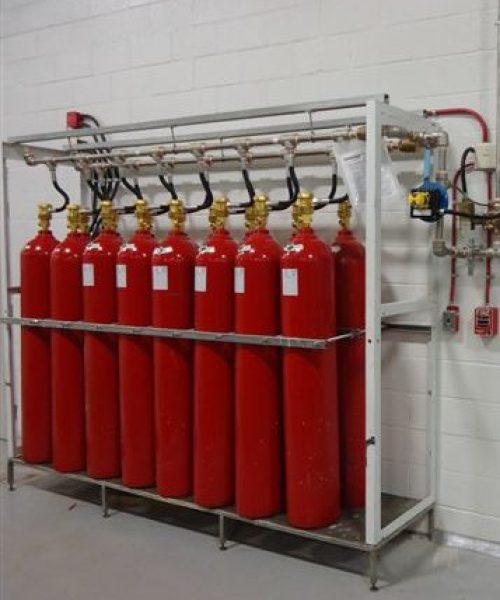
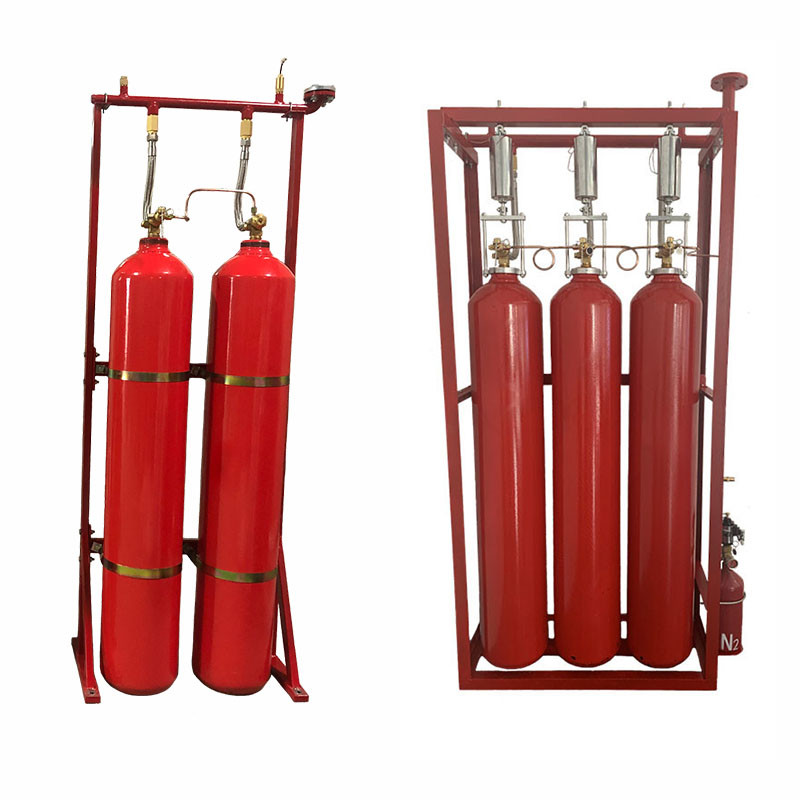
Regular maintenance is necessary to keep the system ready for emergencies.
Maintenance includes:
Compared to other systems:
CO2 systems remain a strong option for industrial and equipment-heavy environments.
Fire protection systems must be carefully designed to match the specific risks of a facility. Choosing the wrong system can lead to ineffective protection or safety issues.
A professional fire safety company can:
Expert guidance ensures your building stays protected and compliant.
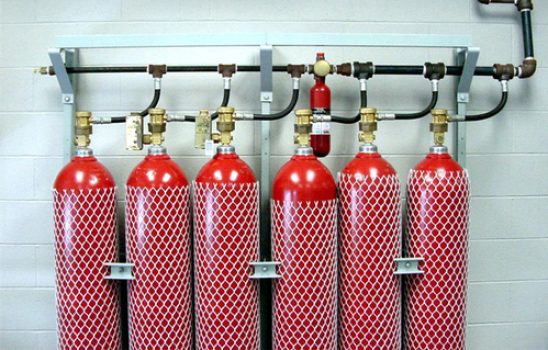
Understanding what is CO2 fire suppression system helps you make informed decisions about fire safety. A CO2 system uses carbon dioxide gas to quickly reduce oxygen levels and extinguish fires without water damage or residue. It is ideal for electrical rooms, industrial facilities, machinery, and high-risk areas where traditional water-based systems may not be suitable.
With its fast response, clean operation, and effectiveness against specific fire classes, CO2 fire suppression systems remain a reliable choice for many industries. However, proper design, installation, and maintenance are essential to ensure safety and performance.
If you are looking for professional fire protection solutions tailored to your facility’s needs, Azar Fire Safety Systems L.L.C provides expert consultation, installation, and maintenance services to help keep your property safe and fully protected.