
Fire safety is a top priority for any commercial, industrial, or residential property. Traditional fire protection systems, such as sprinklers, use water to control fires. While effective, water can cause serious damage to electronics, machinery, documents, and other valuable assets.
This is where clean agent fire suppression systems offer a smarter solution. They are designed to extinguish fires quickly without leaving residue or damaging equipment. Many business owners and facility managers now choose clean agent systems to protect critical environments like server rooms, control rooms, and data centers.
In this blog, we will break down everything in simple and easy words so you can fully understand how these systems work and why they are important.
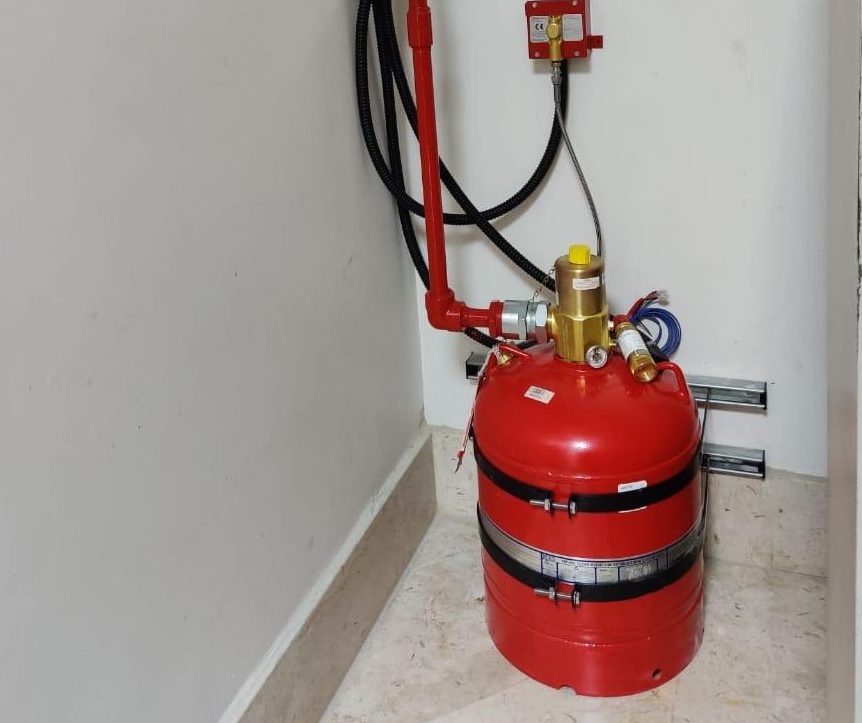
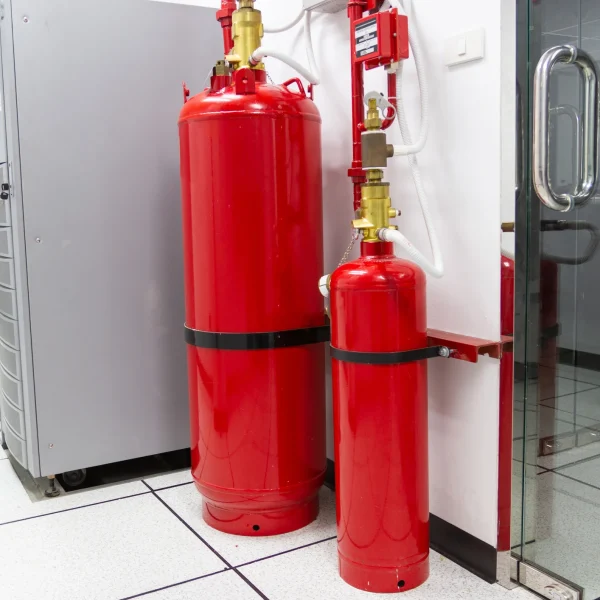
A clean agent fire suppression system is a fire protection system that uses a special gas or chemical agent to extinguish fires without using water. These agents are called “clean” because they:
Clean agents suppress fire by either absorbing heat or reducing the oxygen level in the area, stopping the fire from continuing to burn.
Understanding how it works helps you see why it is effective.
Here is the step-by-step process:
The system detects smoke, heat, or flames through advanced sensors.
An alarm sounds to warn occupants and allow evacuation if needed.
The clean agent is released into the protected area through a network of pipes and nozzles.
The agent either:
The fire is controlled within seconds, minimizing damage.
There are different types of clean agent systems available, depending on the application.
These include gases like:
They work by absorbing heat or reducing oxygen concentration.
Inert gases like nitrogen or argon reduce oxygen levels to suppress fire. These systems are environmentally friendly and safe for sensitive environments.
Both types are widely used in facilities where equipment protection is critical.
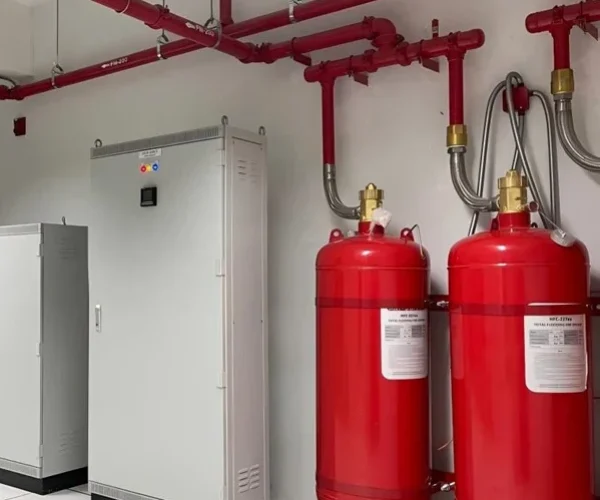
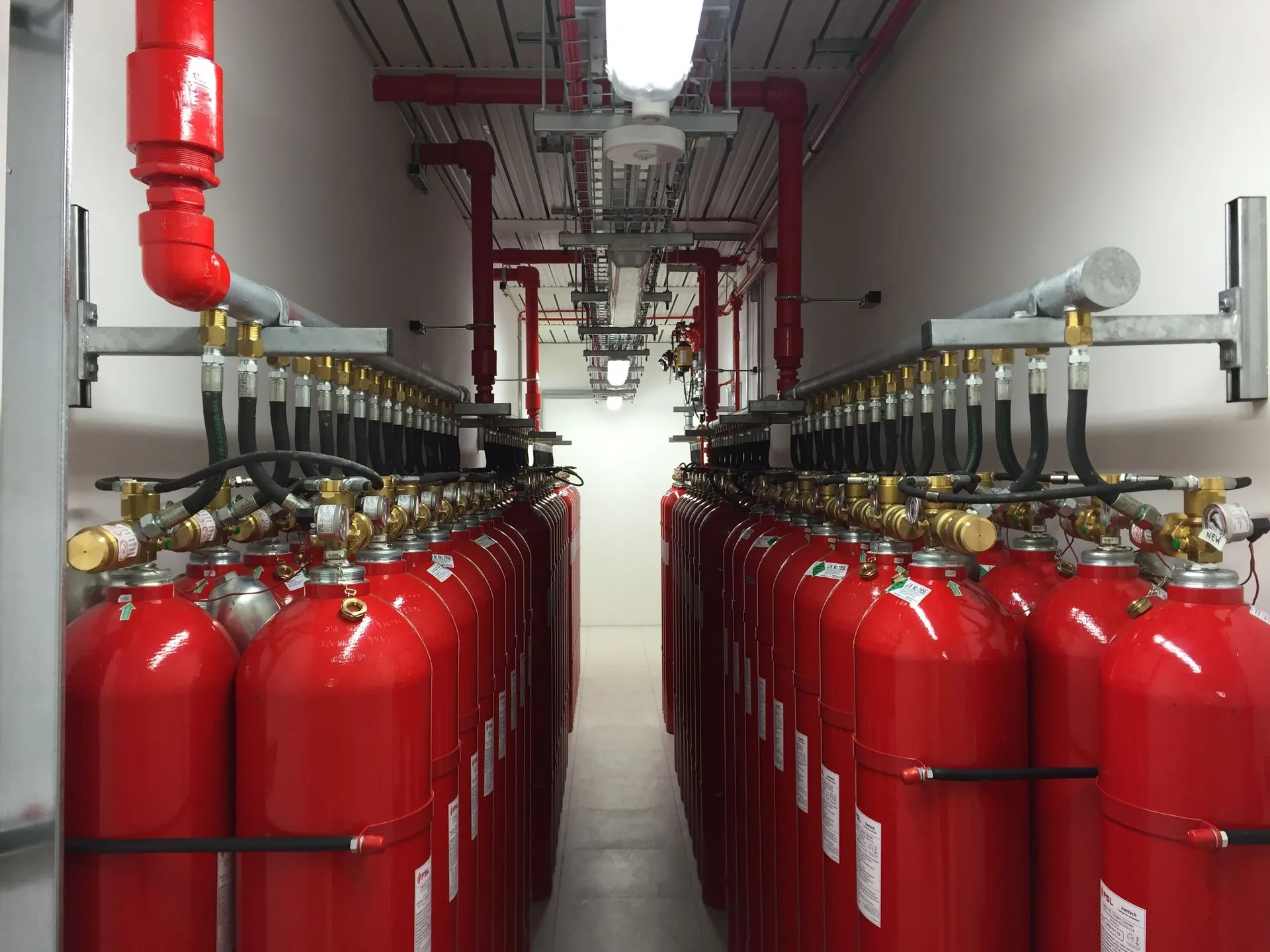
Clean agent systems are ideal for spaces where water or foam systems could cause more damage than the fire itself.
These environments require fire protection without harming sensitive equipment or important documents.
Clean agent systems offer several important advantages.
Unlike foam or powder systems, clean agents leave no mess behind. This reduces downtime after a fire incident.
The system discharges quickly and suppresses fire within seconds, limiting damage.
Because no water is used, electronic devices and machinery remain protected.
When designed correctly, clean agents are safe for people and allow safe evacuation.
Modern clean agents are designed to have low environmental impact and comply with global environmental standards.
Modern buildings rely heavily on technology. From servers to smart control systems, protecting electronic equipment is more important than ever.
Trending factors driving the demand include:
Businesses today cannot afford long downtime due to water damage. Clean agent systems help ensure quick recovery and minimal interruption.
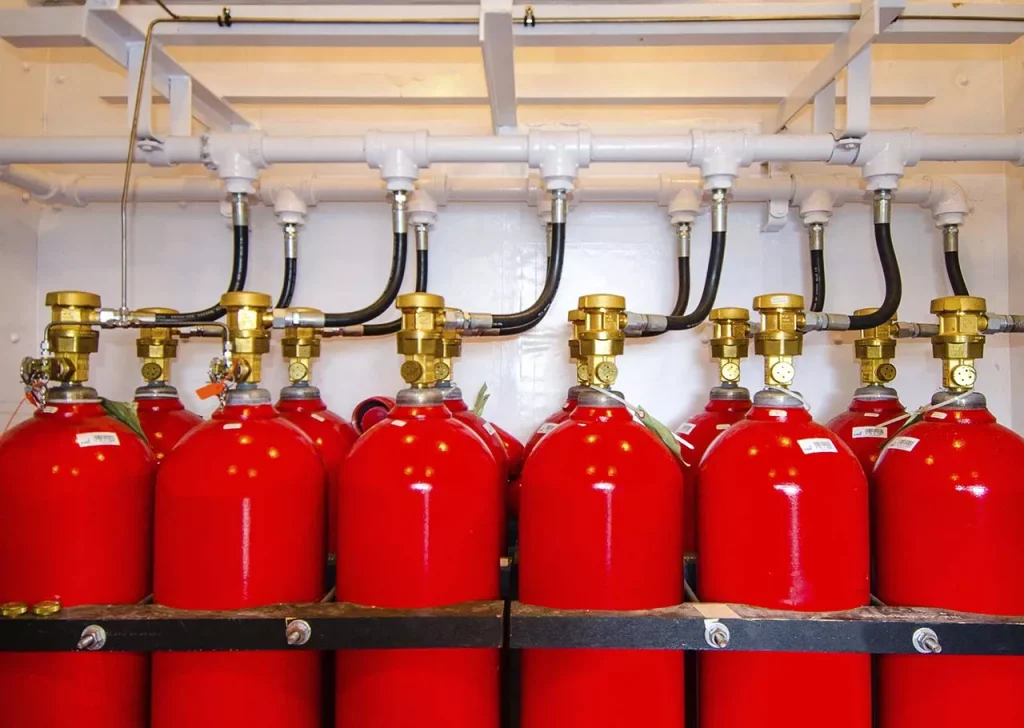
Before installing a clean agent fire suppression system, consider these factors:
The protected area must be properly sealed for the system to work effectively.
Identify the type of fire risk present in the space.
Ensure the system meets fire safety regulations and industry standards.
A system must be designed by qualified fire protection engineers to ensure proper performance.
Proper planning ensures maximum safety and reliability.
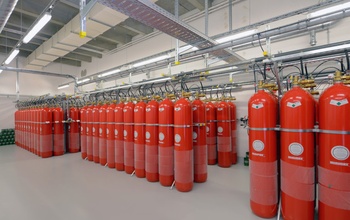
Regular maintenance is essential to keep the system ready for emergencies.
Maintenance tasks include:
Routine inspection ensures the system will function correctly when needed.
Fire protection is not something to take lightly. An improperly designed system can fail during an emergency.
Professional fire safety experts can:
Expert guidance ensures both safety and peace of mind.
Understanding what a clean agent fire suppression system is and how it works helps you make informed decisions about fire safety. These systems use special gases to quickly extinguish fires without water, residue, or damage to sensitive equipment. They are ideal for data centers, control rooms, telecommunication facilities, and other high-risk environments where protecting assets is critical.
With fast response time, minimal cleanup, and modern safety features, clean agent fire suppression systems have become a preferred solution for advanced fire protection. However, proper system design, installation, and regular maintenance are essential for reliable performance.
If you are looking for expert fire protection solutions tailored to your facility’s needs, Azar Fire Safety Systems L.L.C offers professional clean agent fire suppression system design, installation, and maintenance services to help keep your property safe and protected.