

When it comes to protecting lives, assets, and business operations, choosing the right fire detection system is one of the most important decisions a facility owner can make. Yet many businesses across the UAE are unsure whether they need flame detectors, smoke detectors, heat detectors, or a combination of all three.
The reality is that there is no one-size-fits-all solution. The right fire detection technology depends on the type of facility, operational environment, fire risks, and applicable safety requirements.
A warehouse storing flammable liquids has very different fire detection needs than a hotel, shopping mall, data center, office building, or industrial plant. Installing the wrong detection system can result in delayed fire response, false alarms, equipment damage, and increased safety risks.
In this guide, we’ll explain how flame detectors, smoke detectors, and heat detectors work, where each performs best, and how to determine the most effective fire detection solution for your UAE facility.
A fire can develop rapidly, especially in commercial and industrial environments where valuable assets, electrical systems, machinery, or combustible materials are present.
The primary purpose of a fire detection system is to identify a fire at its earliest stage and trigger an appropriate response.
An effective detection system helps:
However, different fire types produce different warning signs. Some generate smoke first, while others create intense heat or visible flames almost immediately.
This is why understanding the differences between flame, smoke, and heat detection is critical.
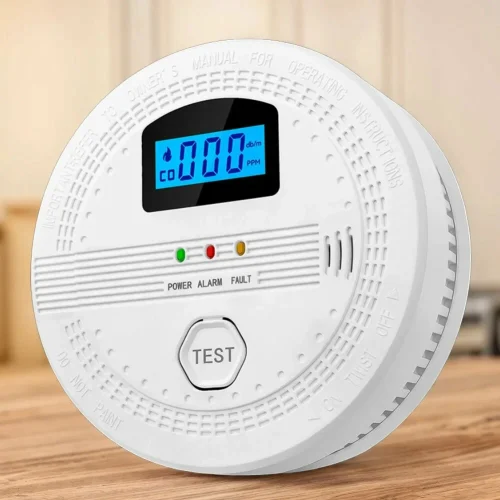
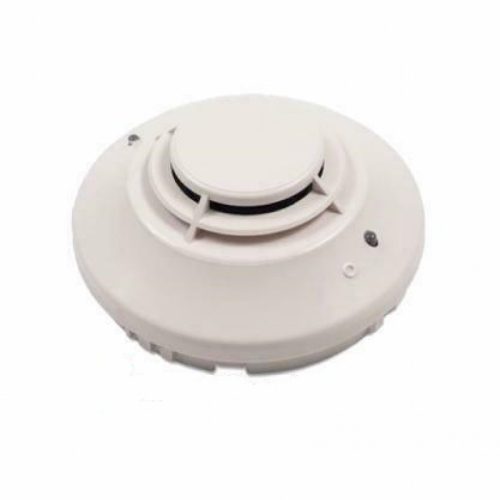
Smoke detectors are among the most commonly used fire detection devices in residential, commercial, and public buildings.
They are designed to identify smoke particles in the air before flames become visible.
Because many fires produce smoke during the early stages, smoke detectors often provide the earliest warning of a developing fire.
Smoke detectors monitor the surrounding air for signs of combustion.
When smoke particles reach a certain threshold, the detector activates an alarm signal.
There are different types of smoke detectors, including:
Each type is designed to respond to specific fire conditions.
Smoke detectors are highly effective in environments such as:
These locations often contain materials that generate smoke before flames fully develop.
Benefits include:
Smoke detectors may not be ideal in environments with:
These conditions can sometimes lead to nuisance alarms or reduced performance.
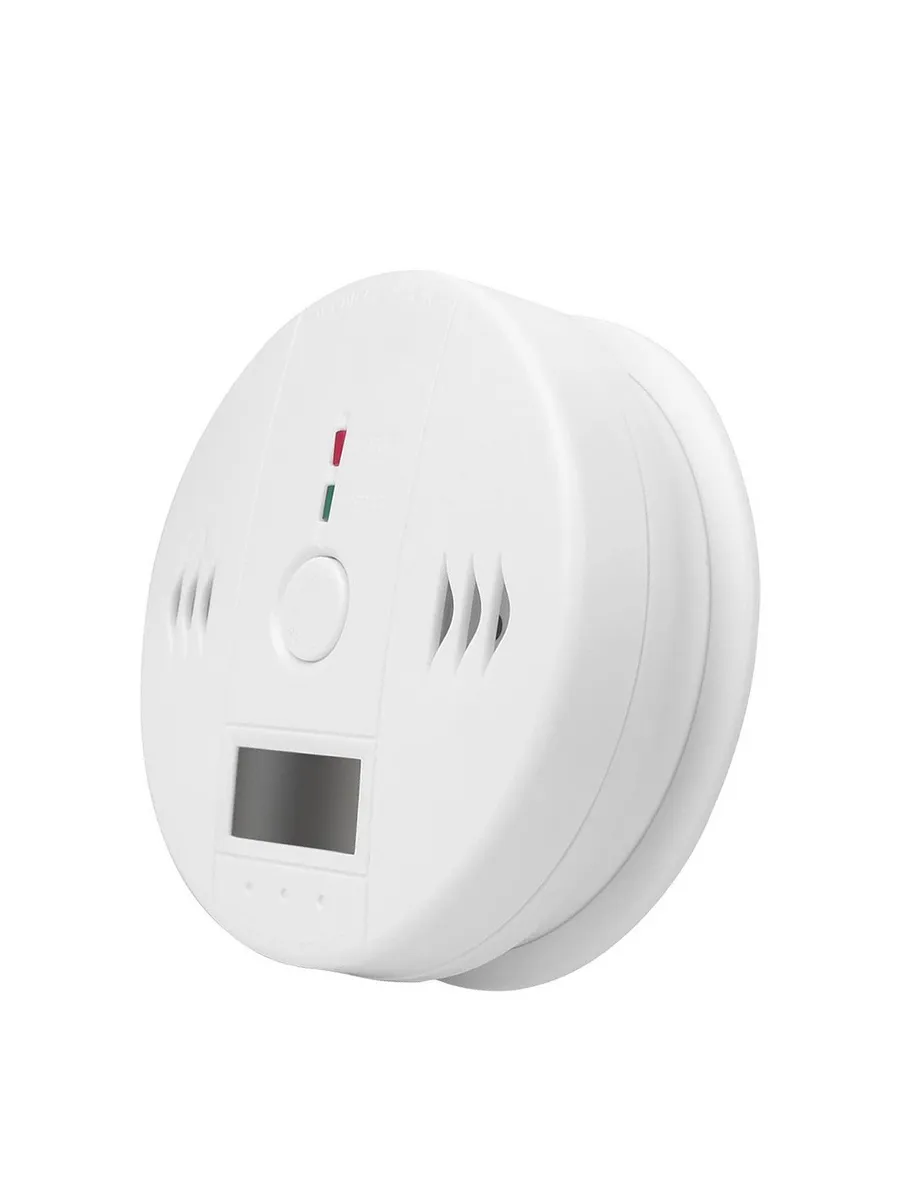
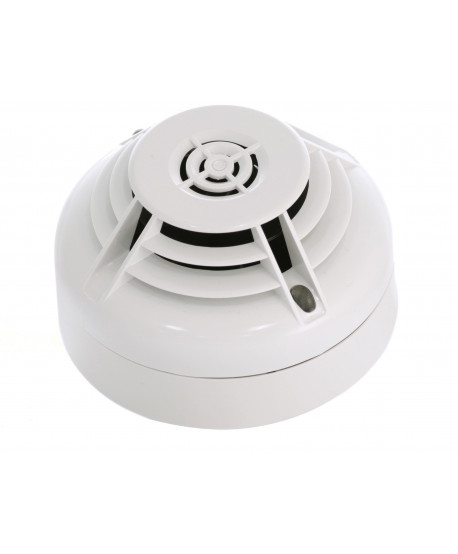
Heat detectors respond to temperature changes rather than smoke.
Instead of monitoring airborne particles, they activate when a predefined temperature threshold is reached or when the temperature rises rapidly.
There are two common types:
These activate when a specific temperature is exceeded.
These activate when the temperature increases unusually quickly.
Heat detectors are often used where smoke detectors may be unsuitable.
Heat detectors are commonly installed in:
These locations may naturally contain smoke, dust, or steam that could trigger false alarms in conventional smoke detectors.
Key benefits include:
Because heat develops later than smoke in many fires, heat detectors generally provide slower warning compared to smoke detectors.
They are often used as part of a broader fire detection strategy rather than a standalone solution.
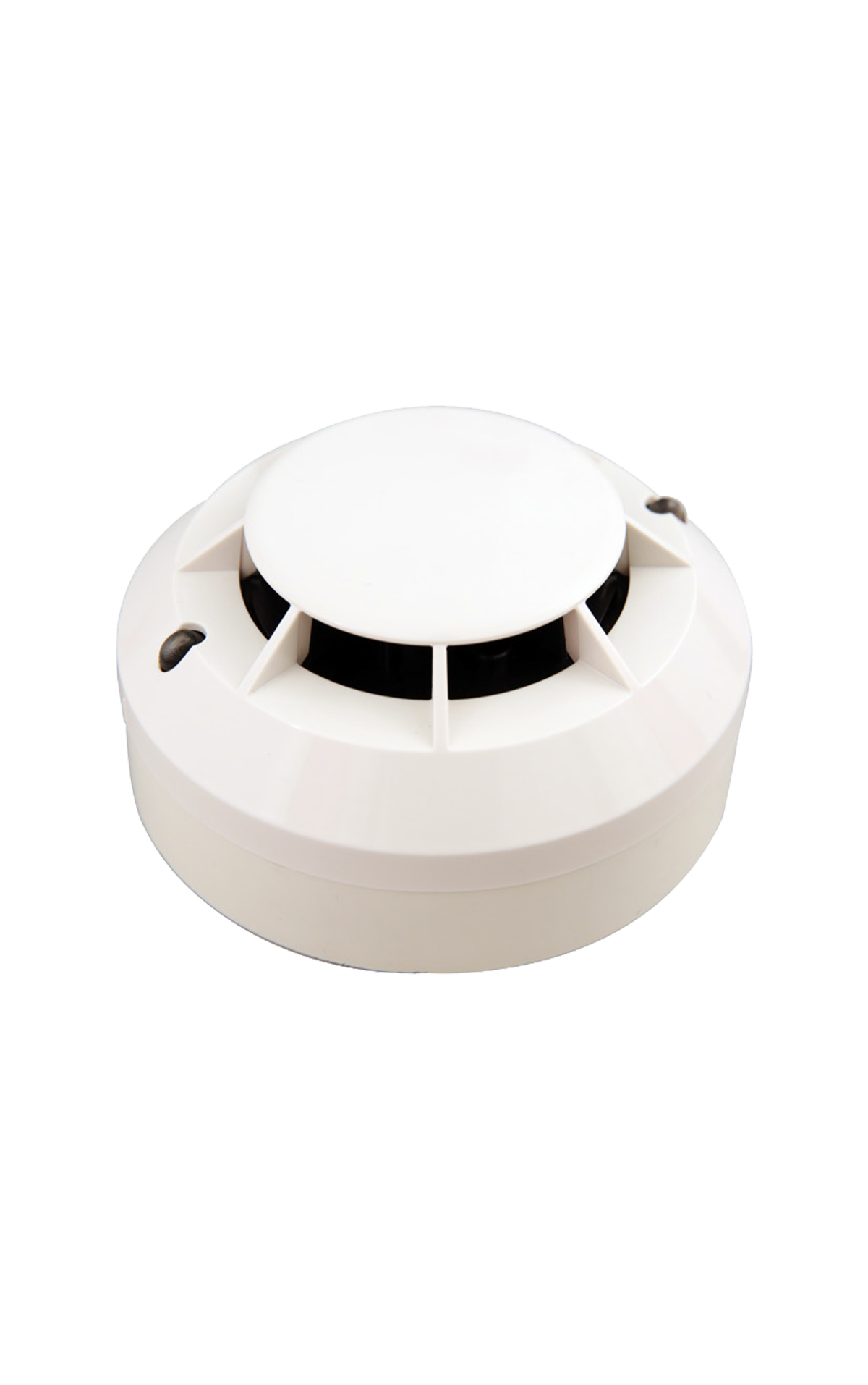
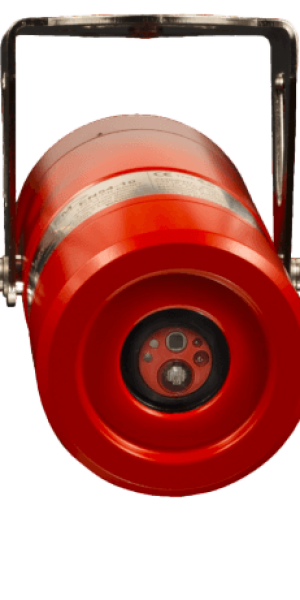
Flame detectors are specialized devices designed to identify visible flames and radiation emitted during combustion.
Unlike smoke or heat detectors, flame detectors can detect fire almost immediately after ignition.
Flame detectors monitor specific wavelengths produced by flames.
Common technologies include:
These systems are designed for rapid fire detection in high-risk environments.
Flame detectors are particularly effective in facilities where fires can develop extremely quickly.
Common applications include:
In these environments, waiting for smoke accumulation or heat buildup may not provide adequate response time.
Benefits include:
Flame detectors require direct line-of-sight to the fire source.
Obstructions can impact performance.
Proper system design is therefore essential.
Understanding the key differences helps facility owners make informed decisions.
Best for:
Primary Detection Method:
Response Speed:
Best for:
Primary Detection Method:
Response Speed:
Best for:
Primary Detection Method:
Response Speed:
In many cases, the answer is yes.
Modern fire protection systems often combine multiple technologies to maximize safety and detection reliability.
For example:
May use:
May require:
Often utilize:
Combining technologies helps ensure comprehensive coverage across different risk zones.
Choosing the right detector depends on several factors:
Different buildings face different fire risks.
Highly occupied facilities often prioritize early warning systems.
The materials present significantly influence detector selection.
Dust, humidity, heat, and ventilation can impact detector performance.
Fire safety systems must align with applicable standards and authority requirements.
Professional fire risk assessments provide valuable guidance when designing detection systems.
Fire detection is not simply about installing devices.
Proper design requires:
A professionally designed system improves reliability, minimizes false alarms, and enhances overall safety performance.
Even the most advanced fire detection system requires ongoing maintenance.
Routine servicing helps ensure:
Regular inspections are essential for maintaining long-term fire protection effectiveness.
Choosing between flame detectors, smoke detectors, and heat detectors is not about selecting the most advanced technology—it’s about selecting the right technology for your facility’s specific risks. Each detector serves a unique purpose, and in many UAE commercial and industrial environments, a combination of detection methods provides the most effective protection.
Smoke detectors offer early warning in occupied buildings, heat detectors perform well in challenging environments, and flame detectors provide rapid response in high-risk industrial applications. Understanding these differences allows facility owners to make informed decisions that improve safety, compliance, and operational continuity.
At AZAR FIRE SAFETY SYSTEMS L.L.C, we specialize in the design, installation, testing, commissioning, and maintenance of advanced fire detection and fire protection systems across the UAE. Whether your facility requires smoke detection, heat detection, flame detection, or a fully integrated fire alarm solution, our experienced team can help you identify the most effective system for your specific operational requirements. Contact us today to learn more about our comprehensive fire safety solutions and professional fire protection services.