

Modern buildings are designed to protect occupants from visible risks like fire, flooding, or structural damage. However, one of the most overlooked hazards is completely invisible. In enclosed and underground parking areas, vehicle exhaust gases can gradually build up without any obvious warning signs. Carbon monoxide (CO) and nitrogen dioxide (NO₂) are two of the most significant pollutants produced by vehicles, and if ventilation systems fail to respond effectively, these gases can create serious health and safety concerns.
This is why car park gas detection systems have become an essential part of building safety across the UAE. Rather than operating ventilation systems continuously, intelligent gas detection solutions monitor air quality in real time and activate ventilation only when gas levels begin to rise. The result is a safer environment for occupants while improving energy efficiency and reducing unnecessary operating costs.
Whether you manage a residential tower, shopping mall, hospital, hotel, office complex, or mixed-use development, understanding how CO and NO₂ monitoring works will help you make informed decisions about building safety and compliance.
In this guide, we’ll explain how car park gas detection systems operate, why they are important, what components they include, and the professional practices that help ensure reliable long-term performance.
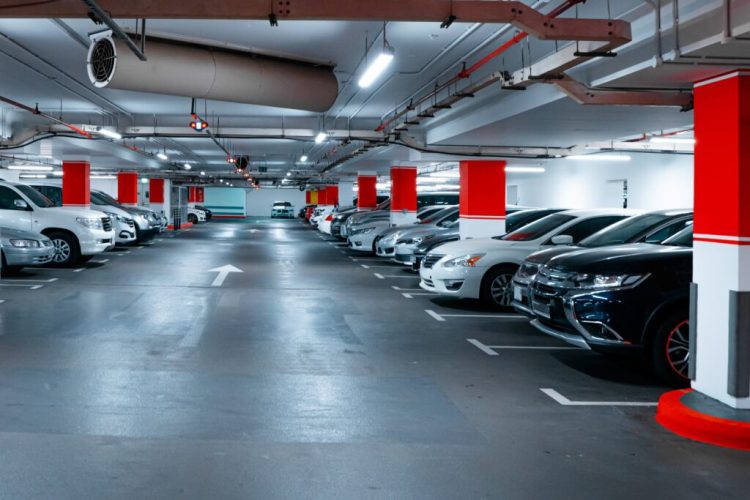
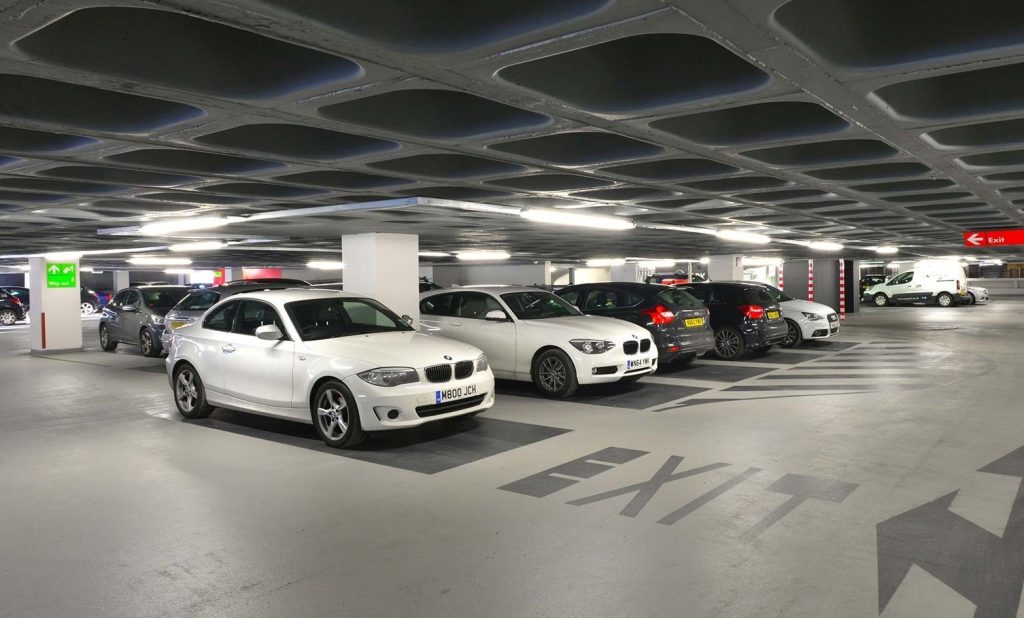
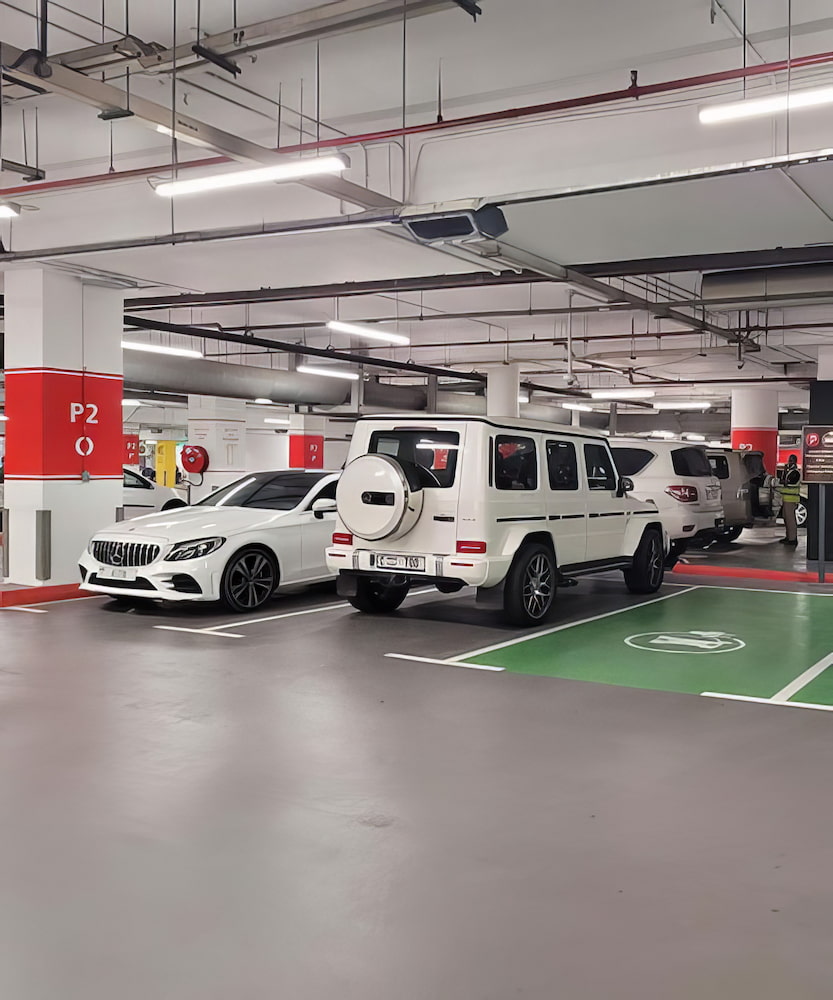
Unlike open parking areas, enclosed and basement car parks have limited natural airflow.
As vehicles enter, idle, manoeuvre, and exit, they continuously release exhaust gases into the surrounding environment.
Without effective ventilation, these gases can accumulate over time.
The concentration may increase even faster during:
Because these gases are colourless and often difficult to detect without specialised equipment, monitoring systems become essential.
Nitrogen dioxide is another by-product of vehicle emissions.
Diesel-powered vehicles are often significant contributors, although petrol engines also produce NO₂.
High concentrations may affect:
Monitoring both CO and NO₂ provides a more complete picture of air quality inside enclosed parking facilities.
Modern gas detection systems continuously monitor air quality throughout the parking facility.
Rather than operating ventilation equipment continuously, the system works through several coordinated stages.
Strategically positioned gas detectors continuously measure CO and NO₂ concentrations.
These sensors operate around the clock.
When gas concentrations exceed predetermined thresholds, the control system automatically activates mechanical ventilation.
Fresh air is introduced while contaminated air is extracted from the parking area.
Once gas concentrations return to acceptable levels, the ventilation system adjusts or switches off according to programmed operating parameters.
This intelligent approach balances safety with energy efficiency.
An effective car park monitoring system consists of several interconnected components.
These typically include:
Each component contributes to maintaining consistent air quality throughout the facility.

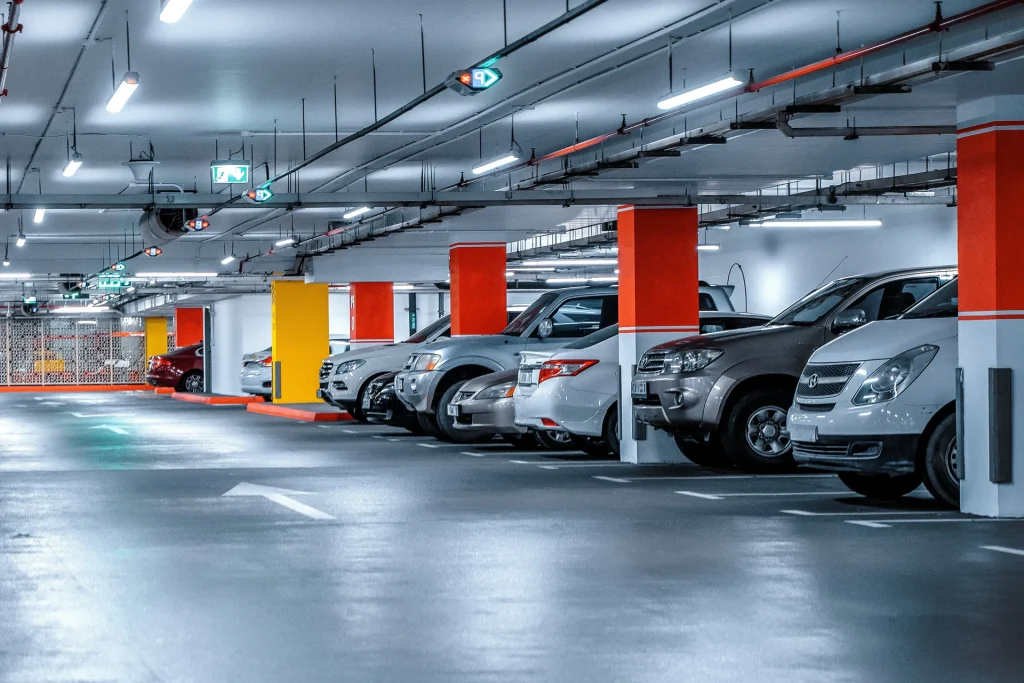
Some older buildings rely on ventilation systems operating continuously.
Although this provides airflow, it also increases:
Gas detection systems activate ventilation only when required.
This demand-controlled operation offers significant operational advantages while maintaining occupant safety.
Gas detection systems are commonly installed in:
Any enclosed environment where vehicle emissions may accumulate can benefit from continuous monitoring.
A properly installed gas detection system involves much more than mounting sensors on a wall. Professional fire and life safety specialists follow a structured process to ensure the system operates accurately and reliably over the long term.
Before installation, specialists evaluate:
This assessment determines the most effective monitoring strategy.
Professionals position sensors to maximise coverage while avoiding areas that could produce inaccurate readings.
Proper placement improves detection speed and system reliability.
Gas detection systems are coordinated with ventilation controls so that airflow responds automatically to changing air quality conditions.
This integration helps maintain safe conditions while optimising energy use.
Before handover, technicians verify:
Gas sensors require periodic inspection and calibration to maintain measurement accuracy.
Professional maintenance programs typically include:
Routine servicing helps ensure long-term system reliability.
Building managers should arrange professional inspections if they notice:
Early servicing helps prevent larger operational problems.
While gas detection systems support regulatory requirements, their greatest value lies in protecting people.
Effective monitoring helps provide:
For facilities with heavy daily vehicle traffic, these benefits contribute directly to overall building performance.
Not every parking facility has identical requirements.
When planning a monitoring system, property owners should consider:
A properly designed solution delivers reliable protection while remaining adaptable as building usage changes.
Modern buildings increasingly rely on intelligent systems that respond automatically to changing conditions.
Gas detection is one of the clearest examples of this approach.
Instead of operating continuously or relying on manual intervention, smart monitoring provides real-time protection while improving operational efficiency.
It creates an environment where safety and sustainability work together rather than competing with each other.
Effective CO and NO₂ monitoring is no longer just an added safety feature; it is a critical part of responsible building management in enclosed parking facilities. By continuously monitoring air quality, automatically controlling ventilation, and ensuring harmful exhaust gases remain at safe levels, a professionally designed gas detection system protects occupants, improves energy efficiency, and supports the long-term performance of your building infrastructure.
At AZAR Fire Safety System, we deliver advanced gas detection and life safety solutions tailored to the unique requirements of commercial, residential, industrial, and mixed-use developments across the UAE. From system design and installation to commissioning, integration, calibration, and preventive maintenance, our experienced team helps ensure every parking facility remains safe, efficient, and prepared for everyday operation. Explore our gas detection service page to discover how our customised solutions can strengthen your building’s safety strategy and provide dependable protection for years to come.