
Choosing between condensed aerosol and clean agent gas fire suppression is not simply a matter of comparing equipment or installation costs. The right system depends on the type of hazard, size and enclosure of the protected area, occupancy, equipment sensitivity, maintenance requirements and the consequences of a fire.
Both technologies are designed for applications where traditional water-based suppression may not be appropriate. However, they operate differently and have different design considerations.
For facility managers, consultants and business owners in the UAE, understanding these differences can make it easier to identify which technology is better suited to a server room, electrical room, control room, storage enclosure or other high-value area.
A common mistake is to begin with the question, “Which system is cheaper?”
A better question is:
What exactly are we protecting, and what could happen if the suppression system discharges?
The answer depends on several factors:
Both aerosol and clean agent systems can be useful in specialised applications, but they should not be treated as interchangeable solutions.
A condensed aerosol system uses a solid aerosol-forming compound. When activated, the compound generates extremely fine particles and gaseous components that distribute through the protected enclosure and interrupt the fire’s combustion process.
Unlike a conventional sprinkler system, it does not depend on large quantities of water.
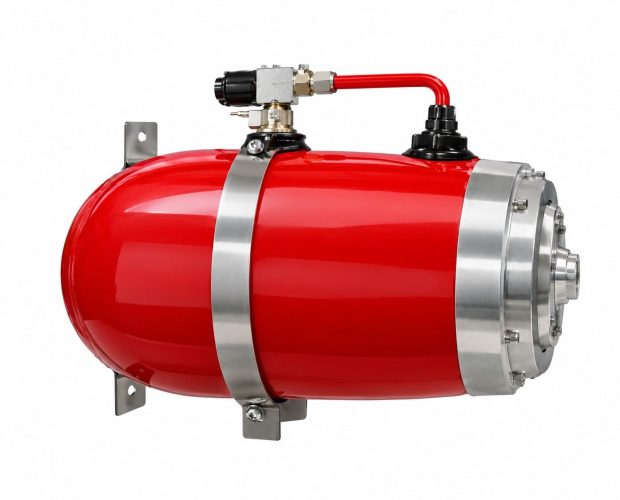
Condensed aerosol systems can be useful where:
NFPA 2010 addresses fixed aerosol fire extinguishing systems, including design, installation, operation, testing and maintenance provisions for condensed and dispersed aerosol systems used in total-flooding applications.
This makes aerosol a technology worth considering for certain enclosed hazards rather than simply viewing it as an alternative to every clean agent installation.
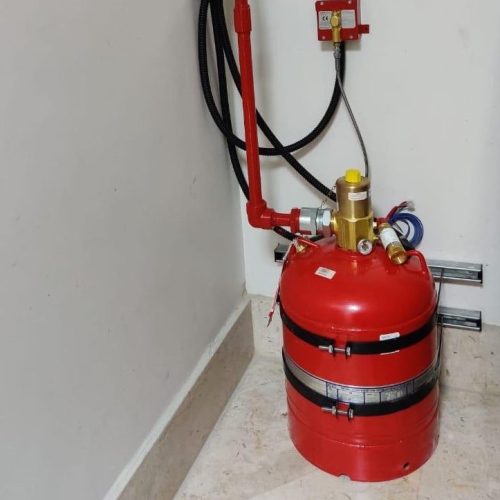
A clean agent fire suppression system uses an electrically non-conductive gaseous extinguishing agent to suppress a fire without leaving the kind of residue associated with conventional dry chemical or water-based systems.
Clean agent systems are commonly considered for spaces containing valuable or sensitive equipment because the agent can suppress a fire without soaking or coating the protected assets.
ISO 14520 covers gaseous fire-extinguishing systems and addresses requirements for their design, installation, testing, maintenance and safety, including total-flooding applications using electrically non-conducting gaseous extinguishants that do not leave residue after discharge.
Clean agent systems may be considered for areas such as:
The specific agent and system design must always match the hazard and applicable approval requirements.
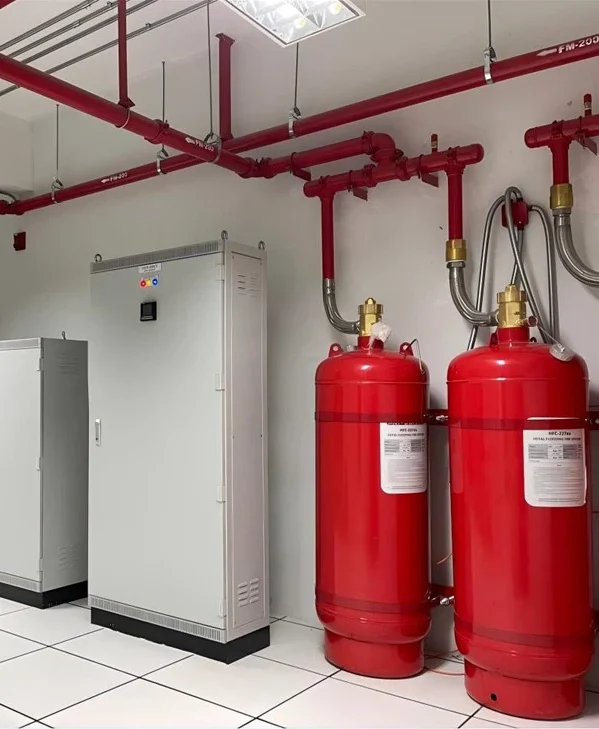
One of the most useful ways to compare the two technologies is to think beyond fire extinguishment.
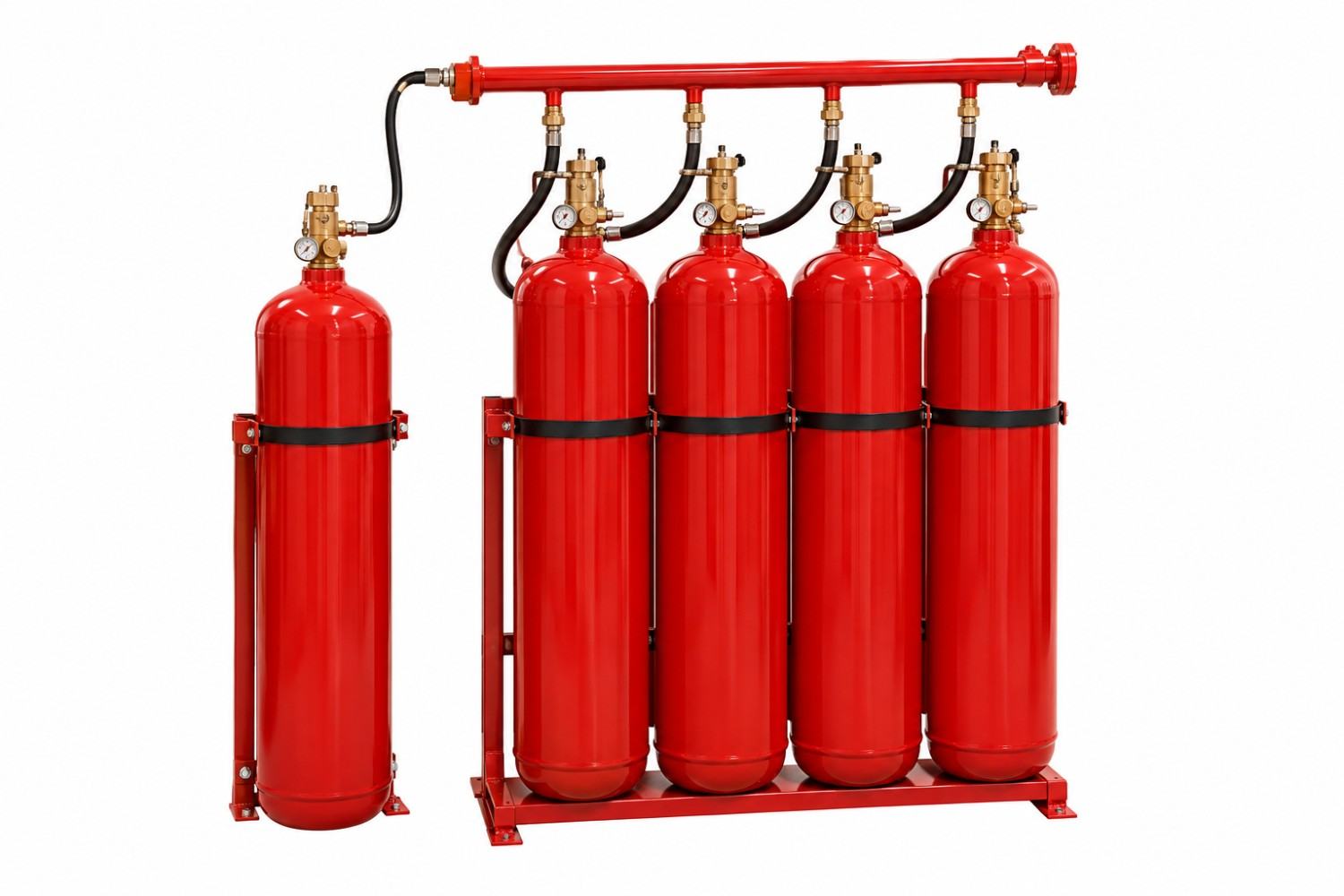
A properly designed clean agent system is intended to discharge a gaseous agent that leaves no residue after evaporation. This can significantly reduce post-fire cleanup around sensitive equipment.
That can be particularly valuable where downtime is expensive.
Aerosol systems operate by generating fine solid particles as part of the extinguishing process. The amount and nature of residual material can depend on the specific system and product.
For facilities where contamination or cleanup is a major concern, this factor deserves careful consideration before selection.
The question should therefore be:
How much post-discharge cleanup can the facility realistically tolerate?
Clean agent systems are commonly designed as total-flooding systems. That means the protected enclosure needs to retain the required concentration for the necessary period.
This makes room integrity important.
Before selecting a gaseous system, assess:
A room that cannot retain the required agent concentration may require additional enclosure improvements.
This is one reason a clean agent system should be engineered for the actual room rather than selected purely from the room’s floor area.
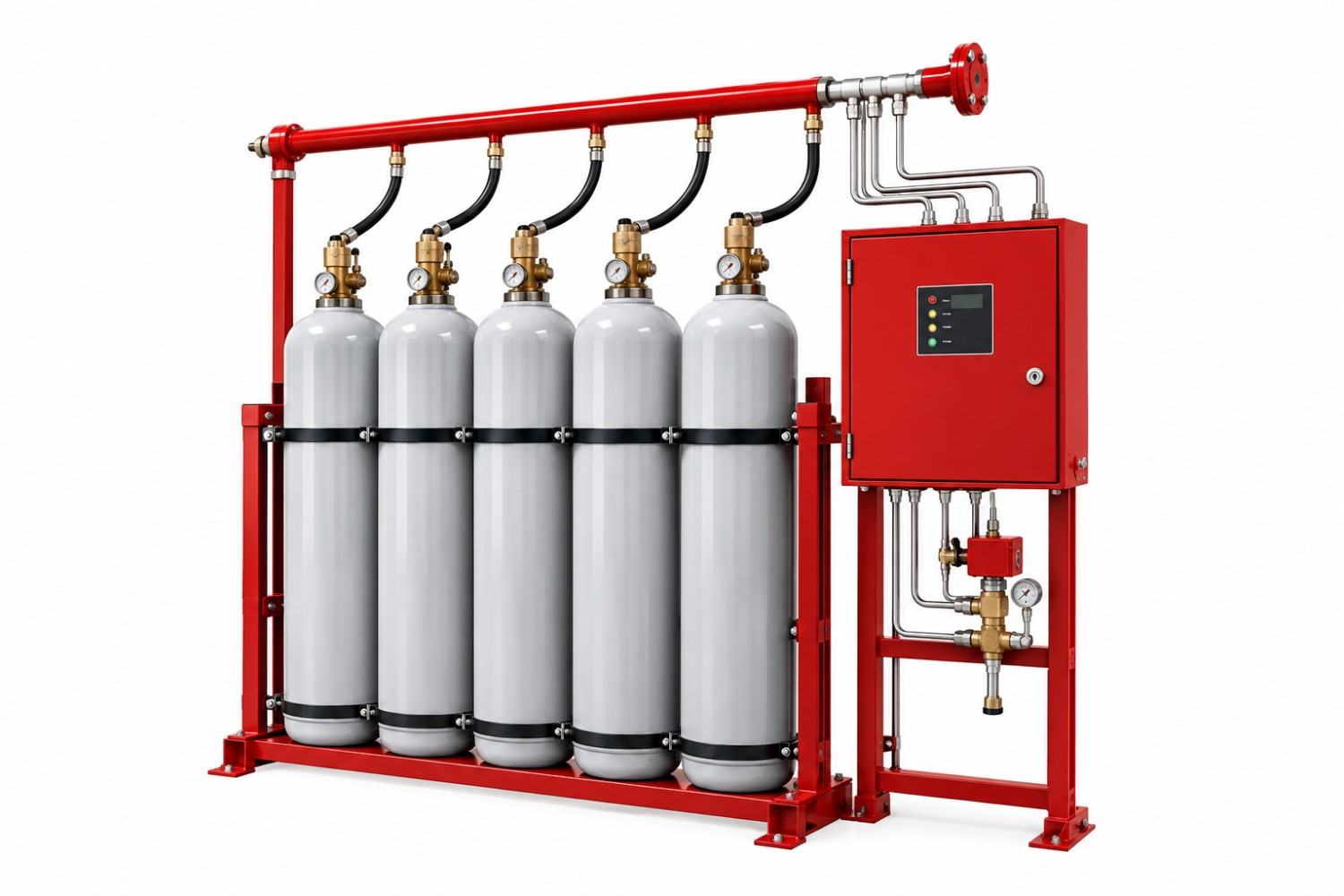
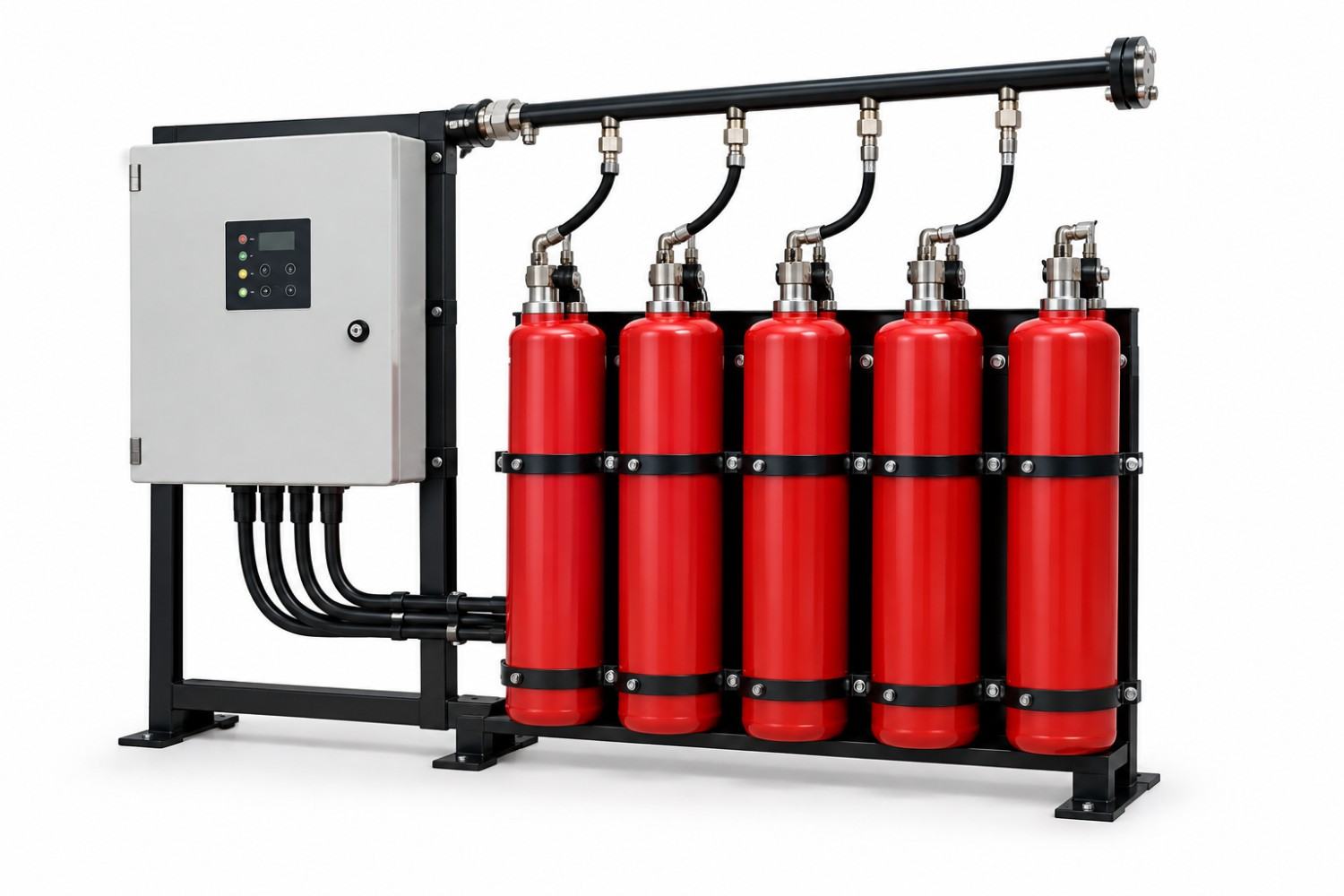
Space is often a major consideration in retrofit projects.
A conventional gaseous suppression installation may require agent storage containers, distribution piping, nozzles and associated control equipment.
Condensed aerosol generators can provide a more compact arrangement in suitable applications.
Flame detectors monitor specific wavelengths produced by flames.
Common technologies include:
However, compact equipment does not mean that the system can be selected without engineering. Generator placement, discharge characteristics, enclosure conditions, safety requirements and system activation still need to be evaluated.
Both technologies can be considered for electrical hazards because water is not always an appropriate primary suppression medium for sensitive energised equipment.
However, the exact hazard must be assessed.
Research associated with NFPA clean-agent applications has highlighted that suppression of fires involving energised electrical equipment can involve additional considerations compared with ordinary Class A fires.
A facility assessment should consider:
The phrase “safe for electronics” is not enough to make a system selection.
Human safety should be part of the design from the beginning, not an issue considered after the equipment has been selected.
For clean agent systems, the agent concentration, room occupancy and exposure conditions influence system design. NFPA 2001 includes requirements addressing personnel hazards, pre-discharge warnings and other safety considerations.
The answers should influence the final design.
Environmental performance has become increasingly important when selecting fire suppression technology.
Different clean agents have different environmental characteristics, including global warming potential and atmospheric considerations. NFPA guidance specifically identifies environmental factors as part of agent selection.
This means facility owners should not simply ask for a “clean agent.”
They should identify:
The choice of agent can matter as much as the choice between suppression technologies.
A suppression system is only useful if it remains ready to operate.
Compare the ongoing requirements before making a decision.
Maintenance may involve:
Maintenance can involve:
The exact maintenance programme depends on the selected equipment and applicable system requirements.
There is no universal winner.
May require:
These are starting points, not automatic design rules.
Before approving a fire suppression proposal, ask the designer or supplier:
A server room, electrical panel enclosure and chemical storage area do not present the same risk.
Consider residue, cleanup, equipment recovery and downtime.
For total-flooding systems, room construction and leakage can directly affect performance.
Verify that the proposed equipment is appropriately tested, listed or approved for the intended application.
The cheapest installation is not necessarily the most economical solution over its service life.
Facilities in the UAE often combine high-value equipment, dense electrical infrastructure, commercial operations and demanding uptime requirements. This makes suppression-system selection particularly important in spaces where a conventional water discharge could create secondary damage.
The decision should therefore consider more than extinguishing capability.
A suitable system should provide an appropriate balance between:
Fire performance + human safety + equipment protection + compliance + maintainability + lifecycle cost.
That is a much stronger basis for selection than comparing two quotations line by line.
Condensed aerosol and clean agent gas suppression systems can both play an important role in protecting specialised facilities, but they solve the problem in different ways.
If compact installation and a particular enclosed application are the priorities, condensed aerosol may deserve consideration. If protecting sensitive equipment while minimising post-discharge residue and downtime is the primary concern, a properly engineered clean agent system may be more appropriate.
The right decision ultimately comes from the hazard, enclosure, occupancy, equipment and operational requirements, not from choosing whichever technology appears simpler or cheaper at first glance.
For facilities in the UAE, AZAR Fire Safety Systems provides fire protection expertise across detection and suppression applications, helping businesses evaluate and implement solutions based on the specific risks and requirements of their facilities.