
A fire suppression system discharge is designed to do one thing: stop or control a fire before it spreads and causes greater damage. Whether the system activates because of an actual fire or an accidental discharge, many property owners and facility managers are left wondering what comes next.
Is the building safe to enter? Can business operations resume immediately? Does the system need to be replaced? Should equipment be inspected before restarting? These are important questions because the moments following a fire suppression system discharge are just as critical as the emergency itself.
The recovery process involves much more than cleaning the affected area. Every component of the fire protection system must be assessed, damaged equipment inspected, the cause of activation identified, and the suppression system restored before the property is considered fully protected again.
This guide explains what typically happens after a fire suppression system discharge, why every step matters, and how professional fire protection specialists help businesses return to safe and compliant operations.
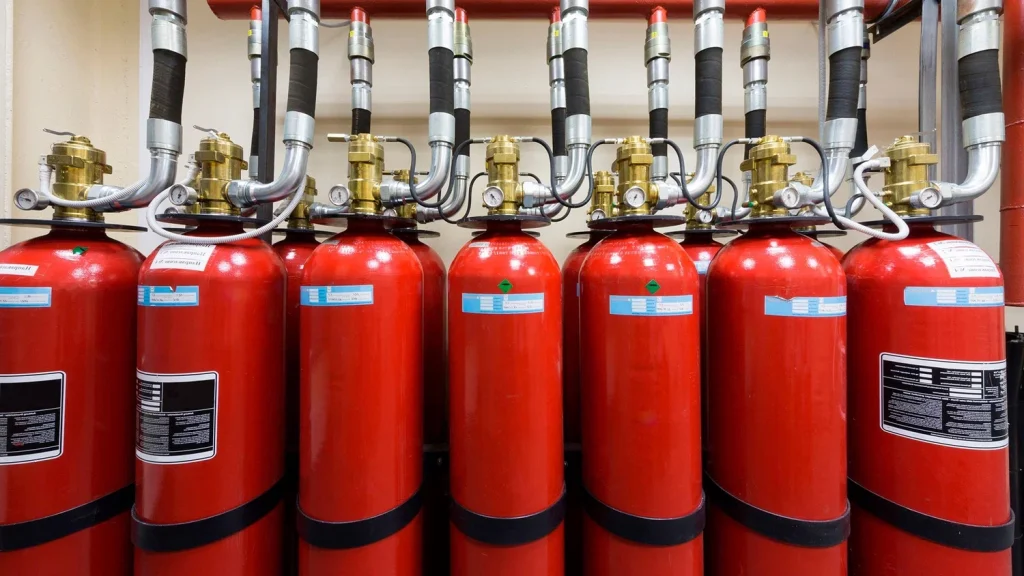
A fire suppression system is designed to detect and control a fire using an appropriate suppression agent before flames spread throughout the protected area.
Depending on the system, the discharge may involve:
Each system is designed for a specific environment, such as data centres, commercial kitchens, manufacturing facilities, electrical rooms, warehouses, or industrial plants.
Once activated, the system has completed its primary function, but the recovery process has only begun.
The first priority after any fire suppression system discharge is ensuring that the affected area is safe for personnel.
Before re-entry, trained professionals typically verify:
No cleanup or restoration work should begin until the environment has been properly assessed.
Not every system discharge is caused by a major fire.
Activation may result from:
Determining the exact cause is essential before restoring the system.
Without identifying the root cause, the same issue may occur again.
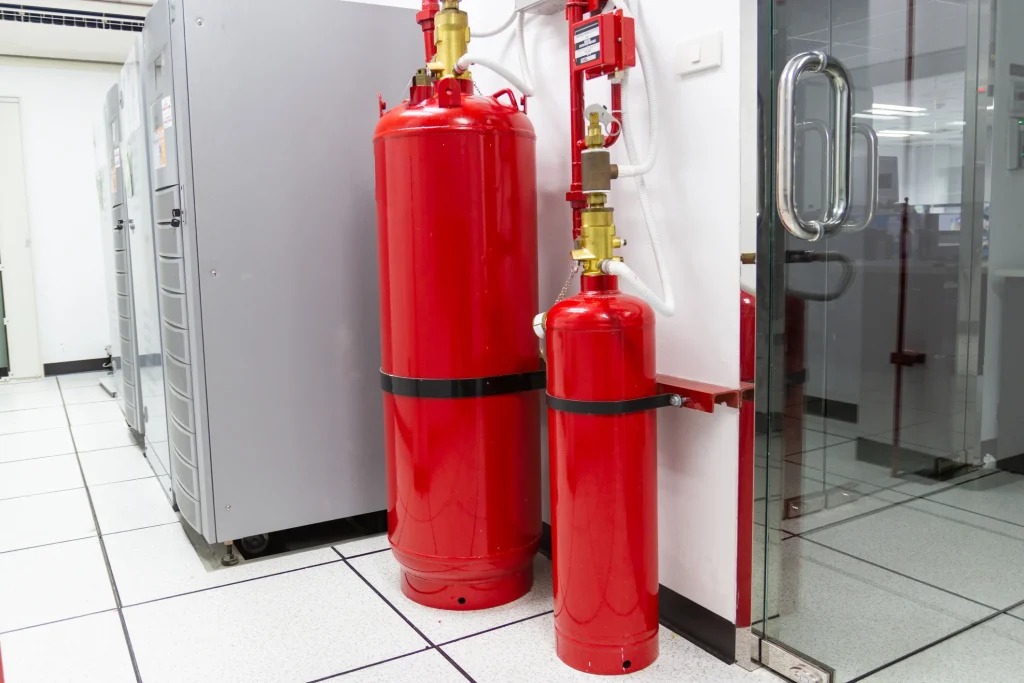
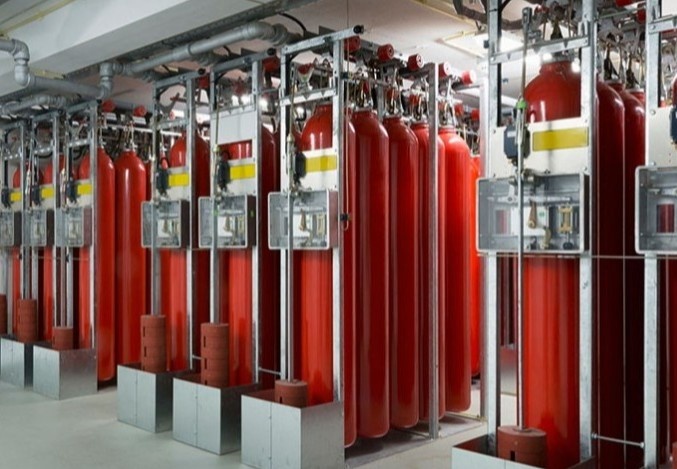
The suppression system may have successfully controlled the fire, but nearby equipment could still require inspection.
Professionals typically examine:
Even where visible damage appears minimal, detailed inspection helps confirm equipment remains safe for operation.
After discharge, every major system component should be inspected.
This includes:
The objective is to determine what must be repaired, replaced, or recharged before the system returns to service.
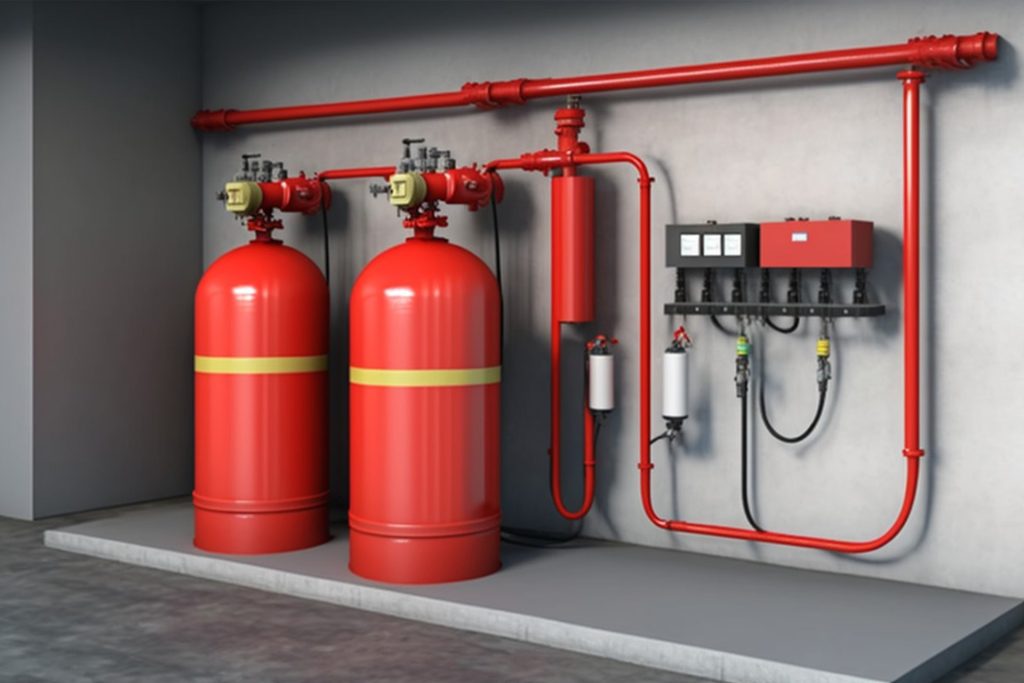
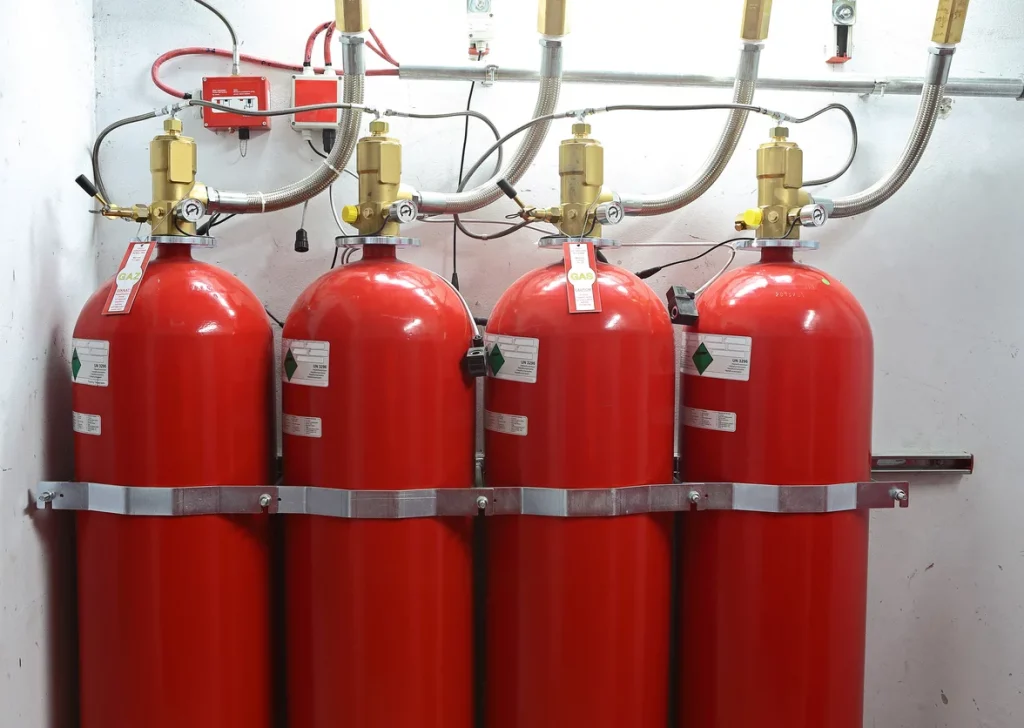
The cleanup process varies depending on the suppression agent involved.
Some systems leave minimal residue, while others require more extensive restoration.
Professional cleanup may include:
Proper cleaning also helps prepare the area for system recommissioning.
Most suppression systems cannot simply be reset after activation.
Depending on the system design, technicians may need to:
Before returning the building to normal operation, comprehensive testing is essential.
Professional testing typically confirms:
Following any fire suppression system activation, maintenance records should be updated.
Documentation may include:
Accurate records support ongoing facility management and future inspections.
Many businesses focus on cleaning the affected area while delaying restoration of the fire suppression system.
This creates unnecessary risk.
Until the system is fully restored, the protected area may no longer have automatic fire protection.
Prompt restoration helps maintain:
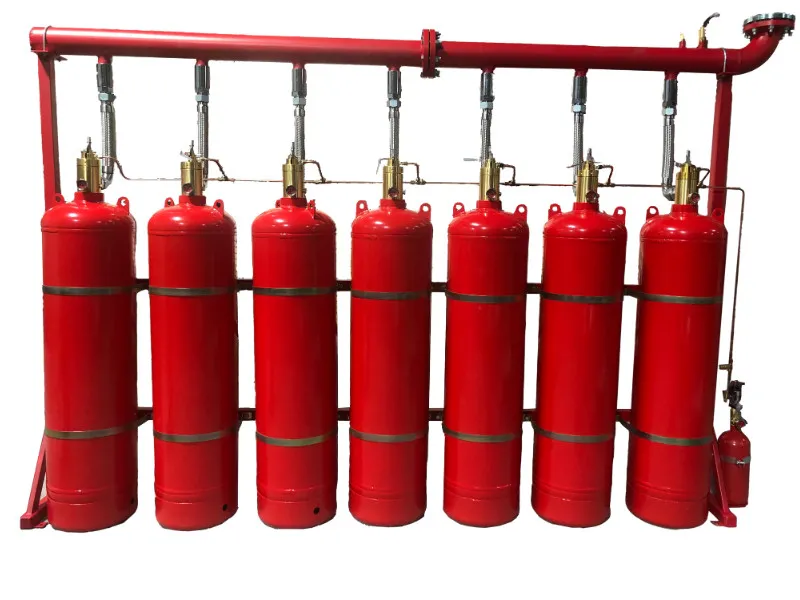
After repairs, technicians perform comprehensive operational testing.
Testing confirms that:
Following restoration, professionals often review the system’s overall condition to identify opportunities for improving future reliability.
Recommendations may include:
Only after qualified professionals confirm that the area is safe and the fire protection system has been properly restored.
Yes. Any fire suppression system discharge should be followed by inspection, restoration, and testing before returning the system to operational readiness.
Depending on the system type, cylinders may require approved recharging, replacement, or recertification.
Professional evaluation determines the appropriate solution.
One of the best ways to minimise disruption is having a recovery plan in place before a fire suppression system ever activates.
Prepared facilities often establish:
Many people assume the incident ends once the fire is extinguished.
In reality, successful recovery involves:
A fire suppression system discharge is only the beginning of the recovery process. Restoring safety requires much more than cleaning the affected area; it involves identifying the cause of activation, inspecting equipment, replacing or recharging system components, conducting thorough performance testing, and ensuring the entire fire protection system is ready to respond again if needed. Taking a structured, professional approach helps reduce downtime, protect valuable assets, and maintain long-term operational safety.
At AZAR Fire Safety System, we provide complete fire suppression system services, including inspection, restoration, system recharging, testing, maintenance, and commissioning for commercial, industrial, and specialised facilities across the UAE. Whether your system has discharged due to an emergency or requires professional servicing after activation, our experienced team is ready to restore your fire protection quickly and efficiently. Visit our fire suppression service page today to learn how we can help keep your facility protected and compliant.