

Gas leaks are one of the most serious safety risks in industrial, commercial, and even residential environments. Whether it’s a manufacturing facility, oil and gas site, or a confined workspace, early detection can make the difference between a safe operation and a dangerous incident.
This is where gas detection systems come into play. But when it comes to choosing the right solution, many businesses find themselves asking an important question: should you go for fixed gas detection systems or portable gas detectors?
Both options serve the same purpose, that is detecting harmful gases, but they differ significantly in how they function, where they are used, and the level of protection they provide.
In this guide, we’ll break down the pros, cons, and real-world use cases of both systems to help you make an informed decision.
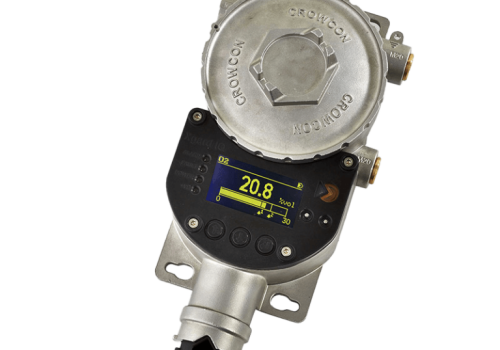
A fixed gas detection system is a permanently installed safety solution designed to continuously monitor specific areas for gas leaks. These systems are commonly found in industrial facilities, plants, and high-risk environments.
They consist of strategically placed sensors connected to a central control panel that continuously monitors gas levels and triggers alarms if a leak is detected.
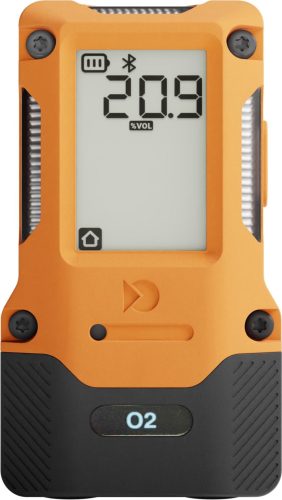
A portable gas detector is a handheld or wearable device used to detect gases in real time. These devices are typically carried by workers or used during inspections.
They are especially useful in situations where mobility and flexibility are required, such as confined space entry or maintenance work.
1. Mobility and Flexibility: Portable detectors can be used anywhere, making them ideal for dynamic work environments.
2. Personal Safety: Workers can carry them for individual protection, especially in hazardous areas.
3. Cost-Effective: Lower upfront cost compared to fixed systems.
4. Easy to Use: Simple operation with minimal setup required.
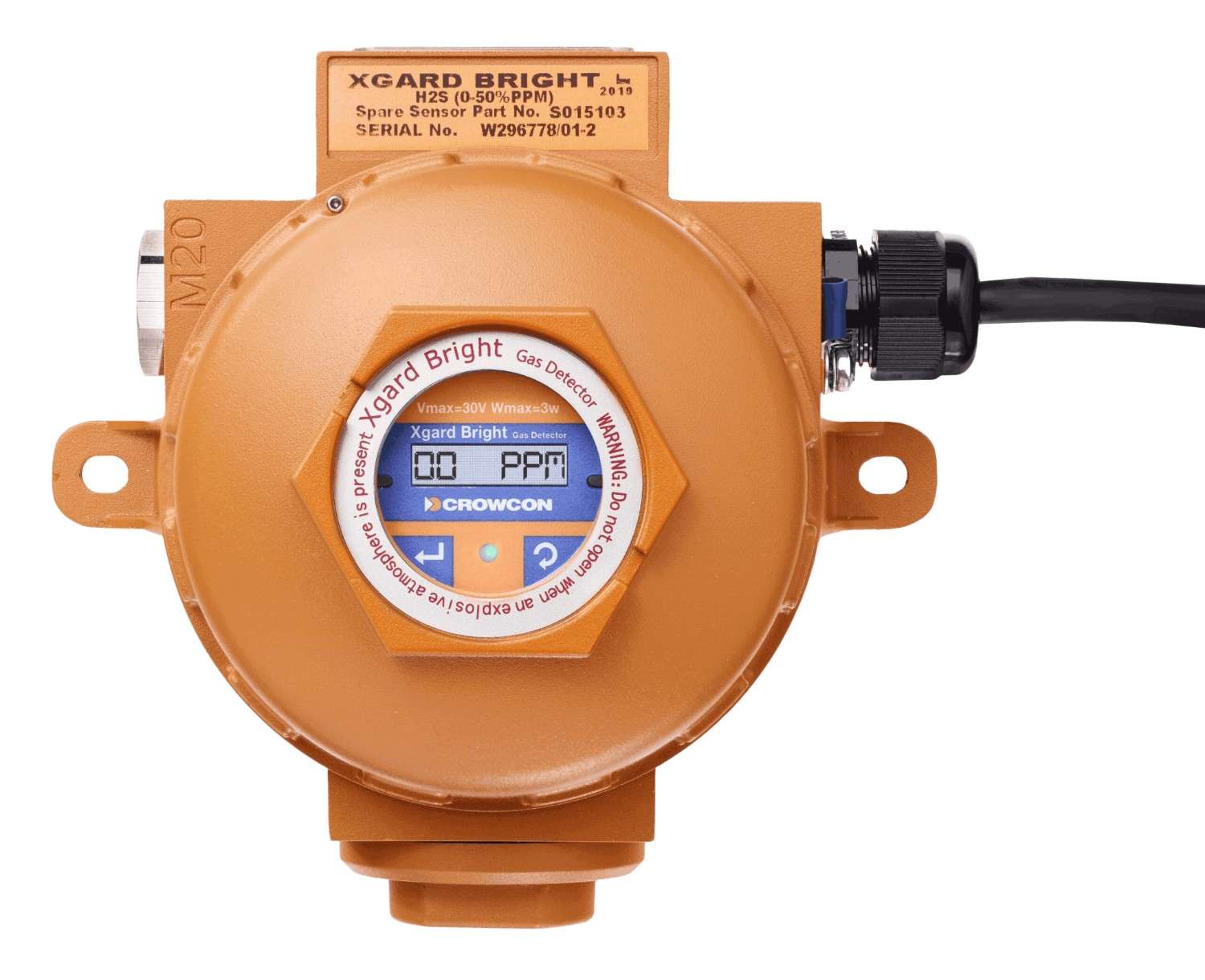
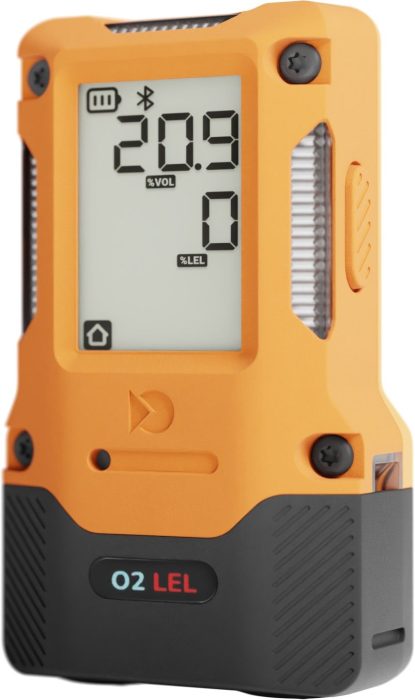
A portable gas detector is a handheld or wearable device used to detect gases in real time. These devices are typically carried by workers or used during inspections.
They are especially useful in situations where mobility and flexibility are required, such as confined space entry or maintenance work.
Feature | Fixed Gas Detection | Portable Gas Detectors |
Monitoring Type | Continuous | On-demand |
Mobility | Stationary | Portable |
Coverage | Specific areas | Wherever the device goes |
Cost | Higher initial investment | Lower initial cost |
Use Case | Industrial plants, facilities | Fieldwork, inspections |
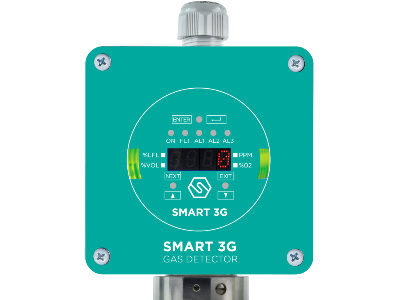
Fixed systems are best suited for environments where gas risks are constant and predictable.
In these environments, continuous monitoring is essential to ensure safety at all times.
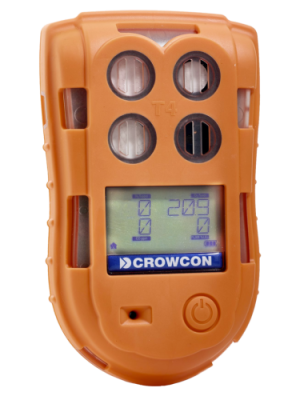
Portable detectors are ideal for situations where flexibility and mobility are required.
They are especially useful for workers who move between different locations or work in unpredictable environments.
Absolutely, and in many cases, this is the best approach.
Using both fixed and portable gas detection systems provides a layered safety strategy:
This combination is commonly used in industries where safety standards are strict and risks are high.
Before making a decision, consider the following:
A proper risk assessment can help determine the right solution for your needs.
No matter which system you choose, the quality of the equipment and the expertise of the provider play a crucial role.
A reliable supplier will:
At Azar, the focus is on delivering advanced gas detection solutions tailored to different industries. Whether you need fixed systems, portable detectors, or a combination of both, choosing the right partner ensures long-term safety and reliability.
Both fixed gas detection systems and portable gas detectors play a vital role in maintaining safety in environments where gas leaks are a concern. While fixed systems provide continuous monitoring for specific areas, portable detectors offer flexibility and personal protection for workers on the move.
The right choice depends on your specific needs but in many cases, a combination of both provides the highest level of safety.
By understanding the pros, cons, and use cases of each system, you can make an informed decision that protects your people, your operations, and your workplace.
If you’re looking for reliable and efficient gas detection solutions, Azar Fire Safety Systems L.L.C offers expertise and products designed to meet the highest safety standards.