
Fire safety is a critical concern for any business, especially in environments where sensitive equipment, valuable assets, or high-risk operations are involved. While traditional water-based fire systems are common, they are not always suitable, especially in areas like server rooms, control panels, or industrial facilities.
This is where advanced fire suppression systems like CO₂ suppression and clean agent systems come into play. Both are highly effective in controlling fires without using water, but they work in different ways and are suited for different environments.
If you’re unsure which system is right for your facility, this guide will help you understand the differences, advantages, limitations, and ideal use cases of each.
A CO₂ (carbon dioxide) fire suppression system works by reducing the oxygen level in a protected area to a point where combustion cannot continue. Since fire needs oxygen to burn, lowering oxygen levels effectively extinguishes the fire.
These systems release CO₂ gas quickly and are commonly used in industrial settings.
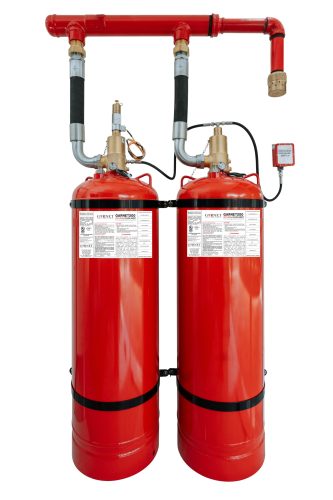
Clean agent systems use specialized gases or chemical agents to extinguish fires without leaving residue or causing damage to equipment. Unlike CO₂, these agents suppress fire either by absorbing heat or interrupting the chemical reaction of combustion.
Common clean agents include FM-200 and Novec 1230.
Because of these differences, one type of detector cannot effectively detect both threats.
Feature | CO₂ Suppression | Clean Agent System |
Fire Suppression Method | Reduces oxygen | Absorbs heat or interrupts a reaction |
Safety for Humans | Not safe in occupied areas | Safe for occupied spaces |
Residue | No residue | No residue |
Speed | Very fast | Fast and controlled |
Application | Industrial use | Commercial & sensitive environments |
CO₂ systems are extremely efficient at quickly extinguishing fires, especially in high-risk industrial environments.
Since CO₂ is a gas, it leaves no residue behind, making cleanup easier.
Compared to clean agent systems, CO₂ systems are generally more affordable in terms of installation and maintenance.
Perfect for areas like:
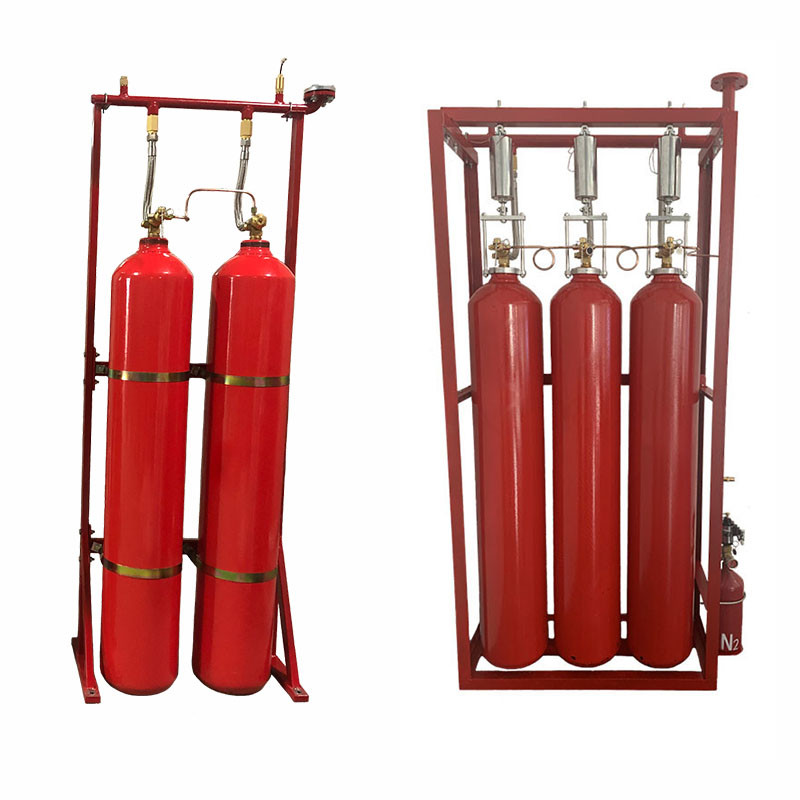
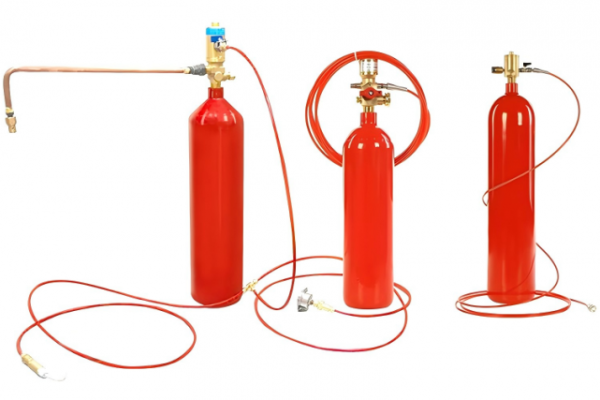
CO₂ reduces oxygen levels, which can be dangerous or even fatal in occupied spaces. This makes it unsuitable for areas where people are present.
Strict safety protocols and warning systems are required before discharge.
Cannot be used in offices, data centers, or places where continuous human presence is expected.
Clean agents are designed to be safe for humans, making them ideal for offices and commercial environments.
They leave no residue and do not harm electronics, making them perfect for sensitive areas.
Many modern clean agents have low environmental impact.
They quickly suppress fires without causing disruption to operations.
Since there is no residue, systems can be back in operation almost immediately.
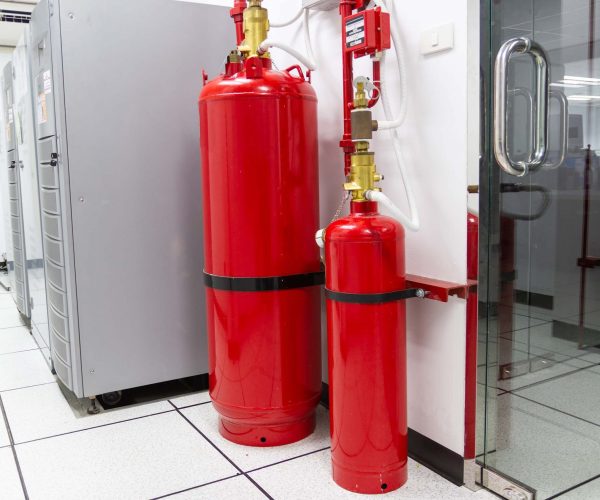
Clean agent systems are generally more expensive than CO₂ systems.
They require dedicated storage space for cylinders.
The protected area must be properly sealed for the system to work effectively.
A CO₂ (carbon dioxide) fire suppression system works by reducing the oxygen level in a protected area to a point where combustion cannot continue. Since fire needs oxygen to burn, lowering oxygen levels effectively extinguishes the fire.
These systems release CO₂ gas quickly and are commonly used in industrial settings.
CO₂ systems are best suited for unoccupied or controlled environments where fire risks are high and rapid suppression is critical.
In these environments, the absence of personnel during discharge makes CO₂ a practical and effective choice.
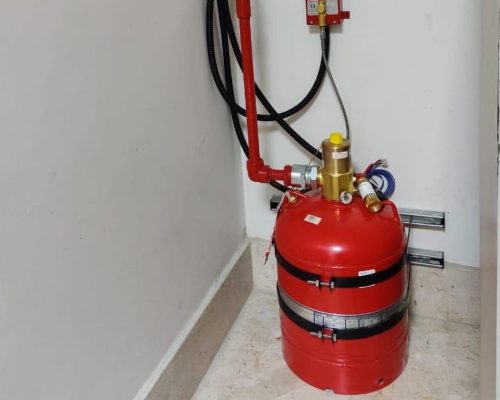
Clean agent systems are ideal for occupied spaces and areas with sensitive equipment.
These environments require fire protection without risking human safety or damaging valuable assets.
Choosing between CO₂ suppression and clean agent systems depends on several key factors:
If the space is regularly occupied, clean agent systems are the safer option.
Sensitive electronics and critical equipment require residue-free and non-damaging solutions.
CO₂ systems are more cost-effective, while clean agents offer advanced protection at a higher cost.
Local fire safety regulations may influence your choice.
High-risk industrial environments may benefit more from CO₂ systems.
In some facilities, a combination of both systems may be used to achieve comprehensive protection.
For example:
This approach ensures both operational safety and human protection.
Selecting the right system is only part of the solution, but the expertise of your provider is equally important.
A reliable fire safety partner will:
At Azar, fire protection solutions are designed to meet the unique needs of different industries. Whether it’s CO₂ suppression or clean agent systems, the focus is always on safety, efficiency, and reliability.
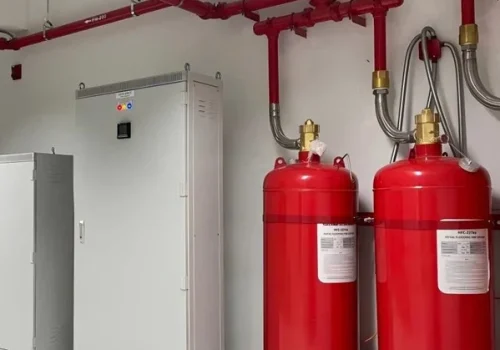
Both CO₂ suppression and clean agent systems are highly effective fire protection solutions, but they serve different purposes.
CO₂ systems are powerful and cost-effective for industrial, unoccupied spaces, while clean agent systems offer safe, residue-free protection for occupied areas and sensitive equipment.
The right choice depends on your environment, risk level, and safety requirements. By understanding the differences and evaluating your needs carefully, you can select a system that provides maximum protection with minimal risk.
If you’re planning to upgrade your fire safety system, Azar Fire Safety Systems L.L.C offers expert guidance and advanced solutions to help you make the right decision for your facility.