
Fire protection systems are essential in every building, but not all spaces can safely use water to extinguish fires. In certain facilities, such as data centers, laboratories, power stations, and archives, water can cause more damage than the fire itself. That’s why many buildings choose alternatives to traditional water-based fire suppression systems.
In this blog, we will explain why some buildings avoid water-based fire systems for critical areas, the potential risks of using water in sensitive environments, and the types of fire suppression systems that are better suited for such spaces. By the end, you will understand the key reasons behind this decision and the safer, more efficient fire protection options available today.
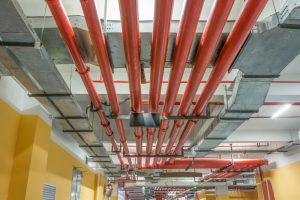
Water-based fire systems are among the most common fire suppression methods. They use water to cool flames, reduce oxygen levels, and prevent re-ignition. The most familiar examples include sprinkler systems and water mist systems.
These systems are effective for typical commercial and residential spaces such as offices, malls, and hotels. However, when it comes to critical or high-value environments, water may not be the best solution due to the potential for collateral damage.
Not every area in a building can handle water exposure. Some facilities contain electrical equipment, sensitive documents, or flammable materials that react adversely to water. Below are the key reasons why water-based systems are avoided in such spaces.
These systems are effective for typical commercial and residential spaces such as offices, malls, and hotels. However, when it comes to critical or high-value environments, water may not be the best solution due to the potential for collateral damage.
Water and electricity do not mix. In facilities like data centres, server rooms, and control panels, even a small amount of water can destroy expensive hardware, disrupt operations, and cause significant downtime.
This makes water-based systems impractical for any area that relies on electrical infrastructure.
In archives, libraries, and museums, water can ruin paper documents, paintings, and historical artifacts. Once these items are exposed to moisture, restoration becomes nearly impossible.
Similarly, manufacturing facilities and laboratories using sensitive chemicals or precision instruments may face contamination or corrosion when exposed to water. This kind of damage can halt operations and lead to costly repairs or replacements.
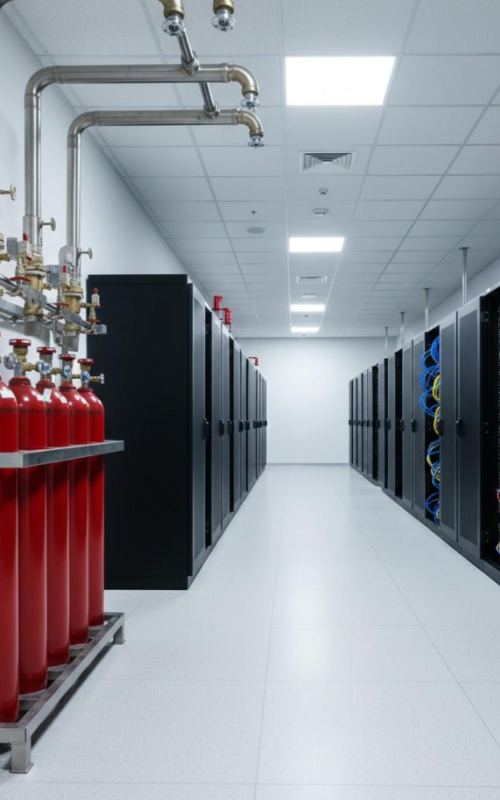
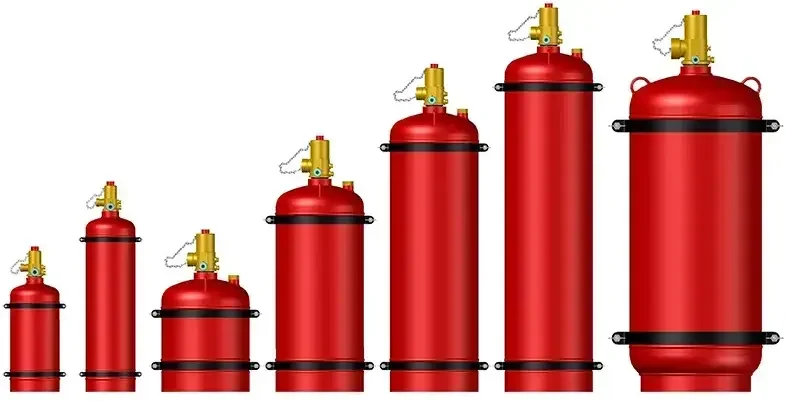
Traditional sprinkler systems activate when heat reaches a certain level, often when the fire is already spreading. In contrast, gas-based or early detection systems can suppress fires within seconds, preventing escalation.
For critical facilities that demand immediate action, faster and cleaner systems are preferred.
After a sprinkler system activates, large volumes of water are released into the space. This water often floods the floor, damages furniture, and seeps into equipment or walls. The cleanup process can take days or weeks.
In contrast, clean agent fire systems use gases that leave no residue and require minimal cleanup, allowing operations to resume quickly.
Certain environments are simply not suitable for water-based fire suppression. These include:
Each of these spaces contains either delicate equipment, vital data, or materials that could be destroyed by water.
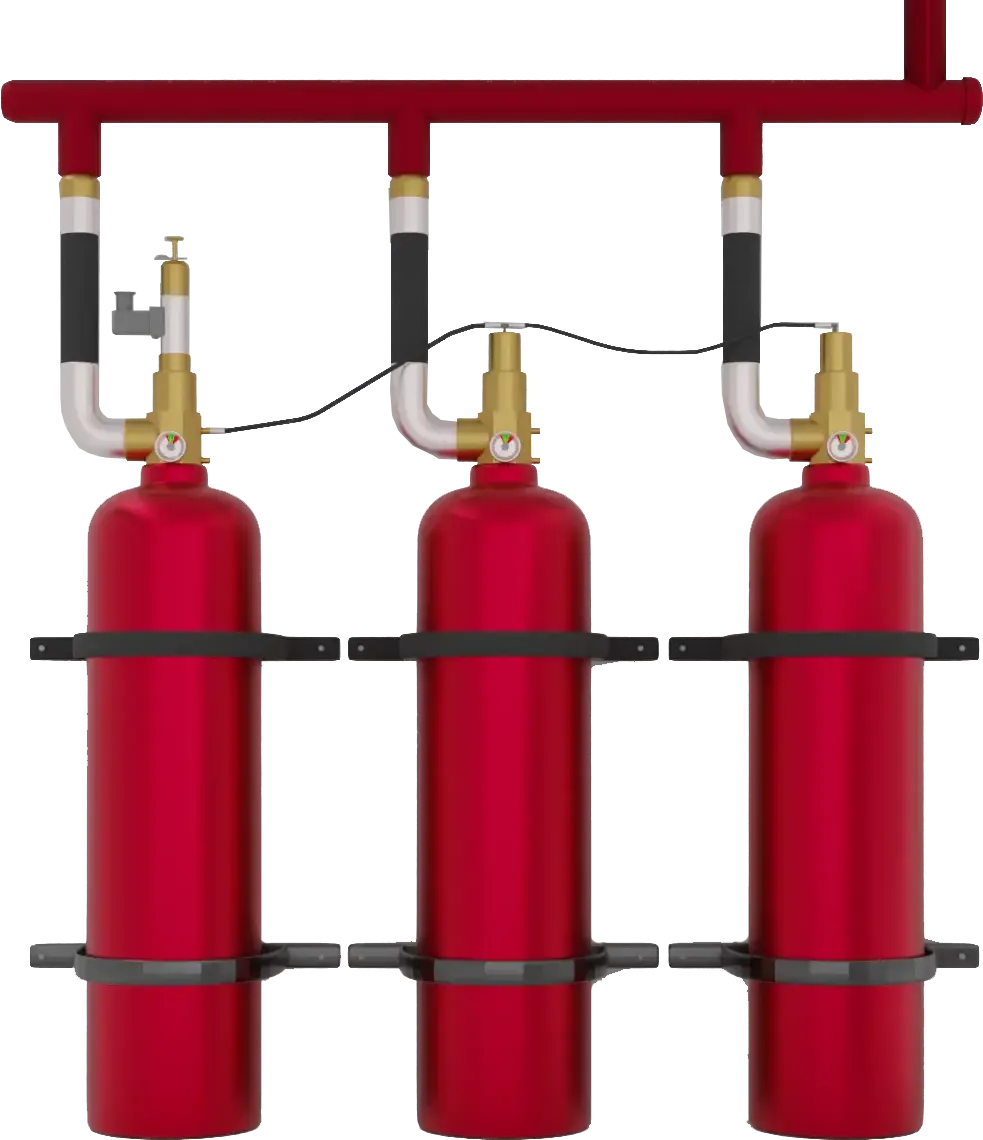
Instead of using water, these critical facilities rely on specialized fire suppression technologies that can quickly and safely control fires without damaging assets.
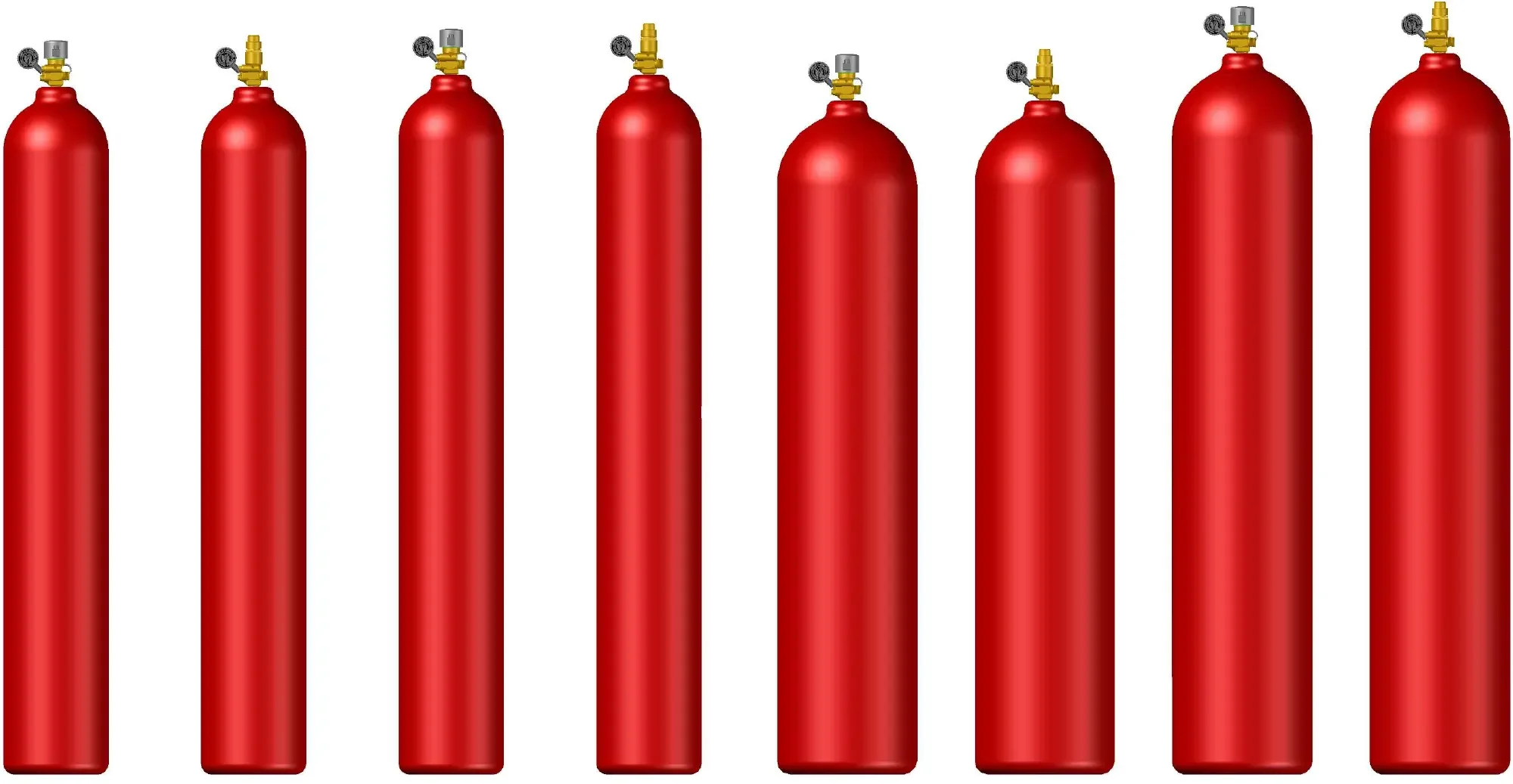
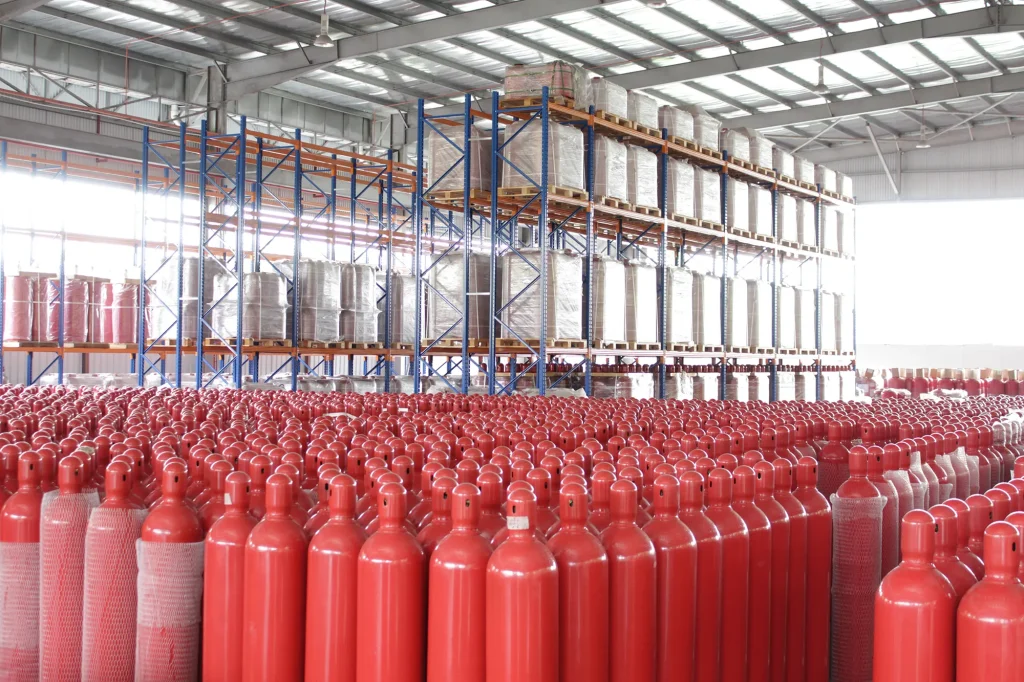
Clean agent systems use gases like FM-200, NOVEC 1230, or Inergen to suppress fires without leaving residue or moisture.
Best for: Data centers, control rooms, and communication hubs.
Carbon dioxide (CO₂) systems work by displacing oxygen in the fire zone, effectively suffocating the flames. These systems are very efficient in enclosed, unoccupied areas.
Best for: Industrial spaces, engine rooms, and machinery areas.
Foam systems are designed to smother fires involving flammable liquids by cutting off oxygen. Unlike water, foam does not damage sensitive materials or electronics when used in controlled quantities.
Best for: Aircraft hangars, fuel storage facilities, and refineries.
Dry chemical systems use powder-based agents that interrupt the chemical reaction of fire. While they do leave some residue, they are effective for industrial settings where electrical or chemical fires may occur.
Best for: Factories, workshops, and vehicle paint booths.
Choosing non-water fire suppression systems provides several benefits beyond just fire protection.
Before selecting a system, building owners and facility managers should assess:
Working with a professional fire protection company ensures that the right suppression method is installed, customized to the specific requirements of each facility.
To sum up, understanding Why Some Buildings Avoid Water-Based Fire Systems for Critical Areas is essential for modern fire safety planning. Water is effective for many environments, but in spaces with delicate equipment, data, or valuable materials, it can cause more harm than good. Clean agent, CO₂, and foam-based systems provide a smarter, safer, and more reliable alternative for protecting mission-critical areas.
At Azar Fire Safety Systems L.L.C., we specialize in designing and installing advanced fire suppression systems that match every building’s safety needs. Our expert team ensures the right balance of performance, compliance, and protection by keeping your people, assets, and operations secure at all times.