
In environments where even a few seconds of disruption can cause significant loss, such as data centers, control rooms, laboratories, and healthcare facilities, traditional water-based fire systems may not be suitable. This is where gas-based fire protection systems come in. They are designed to extinguish fires quickly without damaging sensitive equipment or interrupting operations. In this complete guide, we’ll explain what gas-based fire protection systems are, how they work, the different types available, their benefits, and the key factors to consider before installation. By the end of this blog, you will understand why these systems are a must-have for mission-critical spaces and how they ensure safety, reliability, and peace of mind.
Gas-based fire protection systems use clean and non-conductive gases to suppress fires in enclosed spaces. Unlike water or foam-based systems, these do not leave any residue, making them ideal for protecting high-value assets and delicate electronics.
The core idea behind gas suppression is simple: instead of cooling flames with water, these systems eliminate one or more elements of the fire triangle (heat, oxygen, or fuel). They do this either by displacing oxygen, interrupting the chemical reaction of fire, or absorbing heat.
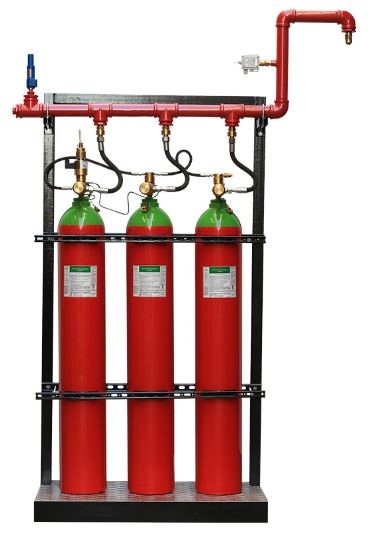
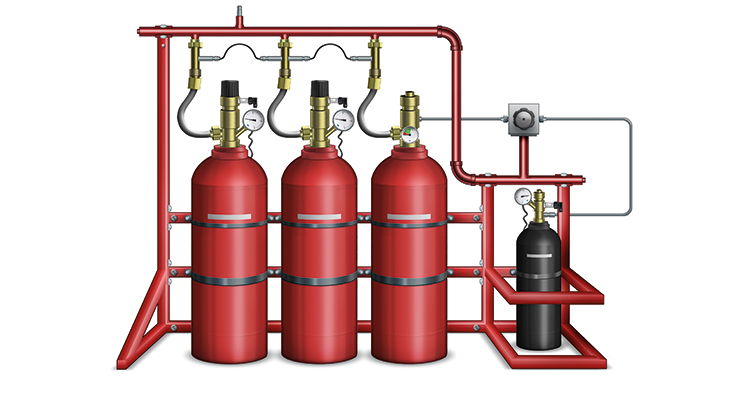
The operation of a gas-based fire protection system is fast, precise, and efficient. Here’s how it typically works:
The entire process from detection to suppression usually happens in less than 10 seconds, ensuring minimal damage and downtime.
Different types of gases are used depending on the type of environment and the assets being protected. Below are the most common gas-based systems:
Inert gases such as Argon, Nitrogen, and CO₂ are used to displace oxygen in the protected area. By reducing oxygen levels to around 12–15%, they effectively stop the combustion process while keeping the environment safe for short-term human occupancy.
Best suited for: Data centers, archives, and control rooms.
These systems use clean chemical agents like FM-200 (HFC-227ea) or Novec 1230 that interrupt the chemical reaction of fire. They are non-conductive, environmentally friendly, and safe for sensitive equipment.
Best suited for: Electrical rooms, server facilities, and laboratories.
Carbon dioxide systems work by reducing oxygen concentration to extinguish the fire. They are highly effective but can be dangerous for occupied spaces, so they are mainly used in unoccupied areas or industrial settings.
Best suited for: Industrial machinery rooms and marine engine spaces.
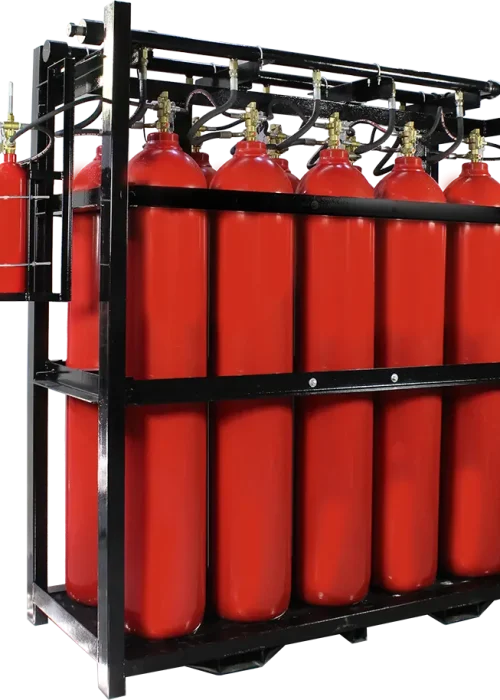
Different types of gases are used depending on the type of environment and the assets being protected. Below are the most common gas-based systems:
Gas-based systems react within seconds, controlling fires before they spread. This rapid action is essential for mission-critical spaces where downtime or data loss can be extremely costly.
Unlike water or foam-based systems, gas suppression leaves no residue. This means sensitive electronics, documents, and expensive machinery remain unharmed.
Clean agents like FM-200 and Novec 1230 are non-corrosive, non-conductive, and safe for human-occupied environments when installed correctly.
Modern agents are designed to have minimal environmental impact and comply with global safety standards such as ISO and NFPA.
These systems require minimal storage space compared to water tanks or foam reservoirs, making them ideal for compact and high-value environments.
Since cleanup after gas discharge is almost zero, normal operations can resume quickly, reducing business interruption.
When planning to install a gas suppression system, several factors must be considered to ensure effectiveness and compliance.
A professional assessment by certified technicians helps in choosing the best solution for your facility’s specific needs.
Different types of gases are used depending on the type of environment and the assets being protected. Below are the most common gas-based systems:
Even the most advanced fire suppression systems require regular maintenance to remain reliable. Proper upkeep ensures quick activation and optimal performance when needed.
Scheduled inspections should be carried out by trained professionals who specialize in fire protection systems.
Mission-critical environments like data centers or medical facilities cannot afford downtime or damage caused by traditional firefighting methods. Gas-based systems provide an instant and clean suppression solution that not only controls the fire but also preserves the functionality of high-value assets.
They act as a silent guardian working in the background, always ready to protect your operations without interruption.
To sum up, understanding A Complete Guide to Gas-Based Fire Protection for Mission-Critical Spaces helps businesses recognize the importance of advanced fire suppression solutions that ensure safety and continuity. Gas-based fire protection systems are fast, clean, safe, and perfectly suited for sensitive environments where traditional methods can cause more harm than good.
For expert installation, maintenance, and guidance, Azar Fire Safety Systems L.L.C. offers trusted and customized gas-based fire safety solutions designed to meet the highest international standards. With years of experience and a commitment to excellence, we ensure your mission-critical space stays protected and always ready for the unexpected.