

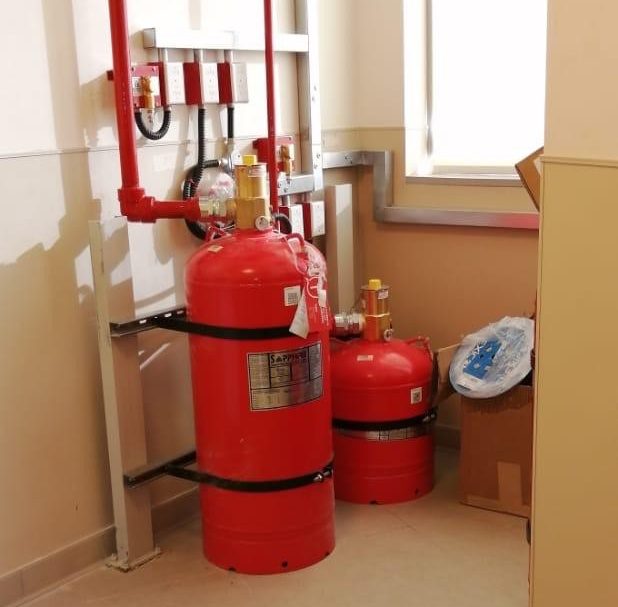
Fire safety is essential, especially in places where people and valuable equipment must be protected at all times. This blog explains how gas fire protection systems work in sensitive and critical areas such as data centers, laboratories, server rooms, and control rooms. You will learn what gas fire protection is, why it is important, how these systems detect and suppress fires, the types of gas agents used, and key benefits compared to traditional water-based systems. By the end of this blog, you will understand how gas fire protection helps prevent damage, protect lives, and ensure business continuity.
Gas fire protection refers to a fire suppression system that uses special gases to put out fires without using water. These systems are designed for areas where water could damage equipment, documents, or sensitive materials. Gas fire protection works by releasing a gas that either cools the fire, removes oxygen, or interrupts the chemical reactions that feed the fire.
Sensitive and critical areas often include electrical systems, valuable machinery, and important records that cannot get wet. Gas fire protection ensures safety without causing extra damage during fire emergencies.
In many places, traditional fire sprinklers using water are not ideal. Water can damage electrical systems, computers, medical instruments, and other valuable equipment. Gas fire protection offers an effective alternative that suppresses fire quickly and safely.
Key reasons gas fire protection is important:
Sensitive areas like electrical rooms and data centers require a fire suppression system that works fast and causes minimal interference with the environment. Gas fire systems are specifically designed for these needs.
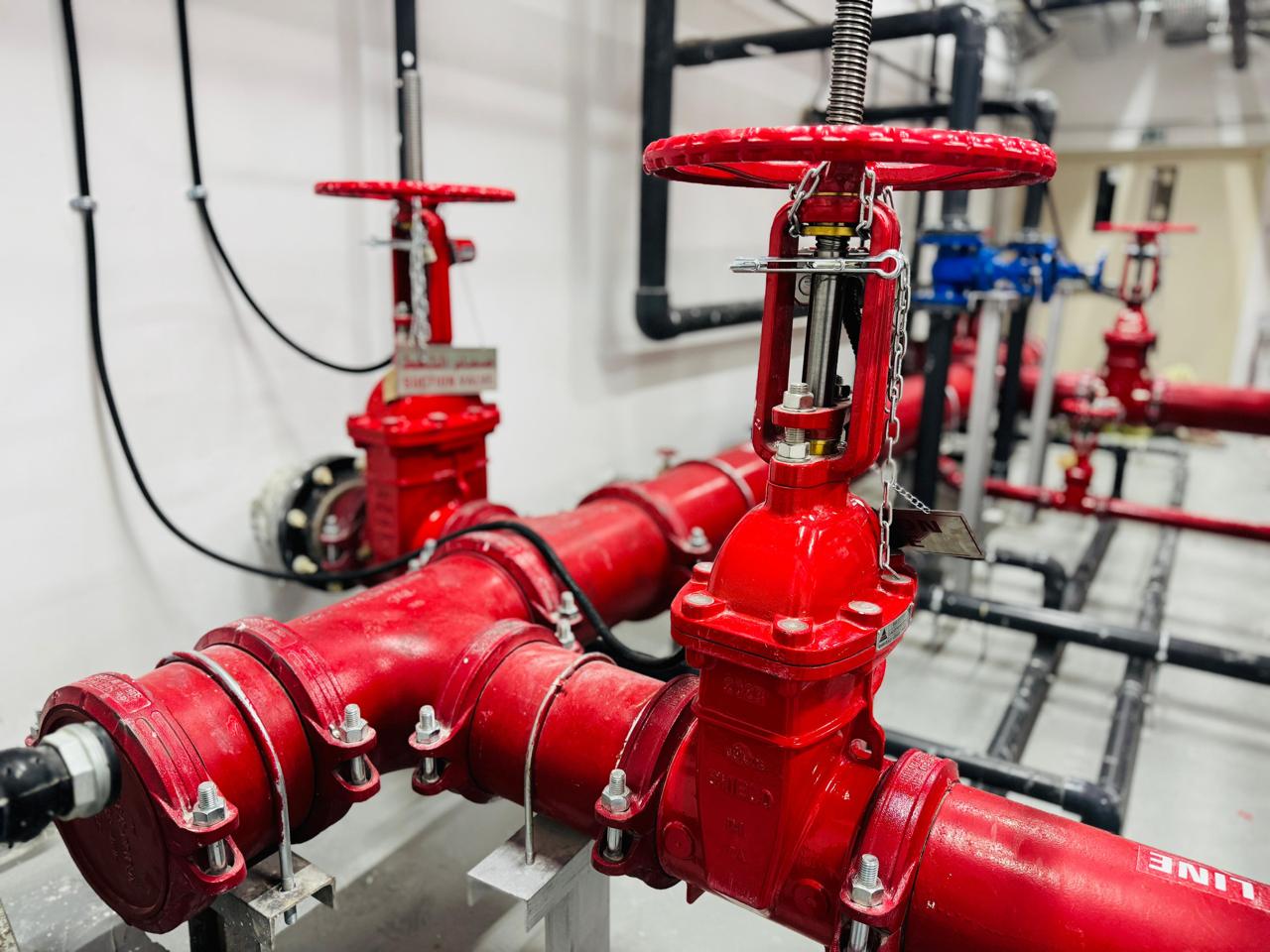
A gas fire protection system has several parts that work together to detect and suppress fires immediately.
The first step in any fire protection system is early detection. Gas fire protection systems use advanced smoke detectors, heat sensors, or flame detectors to sense fire as soon as it starts.
Early detection is critical because it allows the system to act before the fire spreads or causes significant damage.
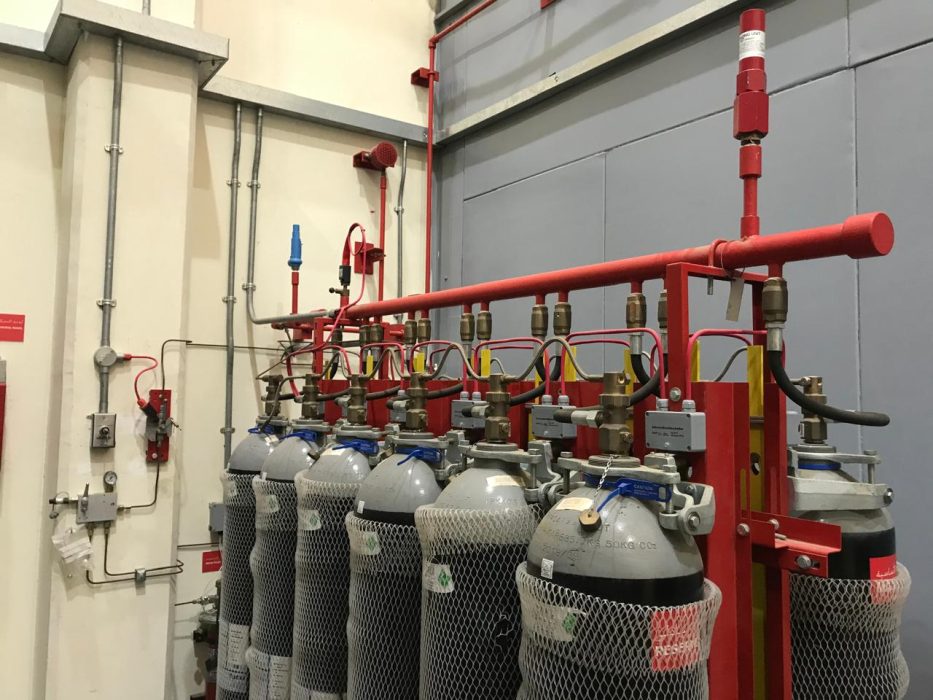
Once a sensor detects a fire, the control panel activates the gas release system. The panel monitors all detectors and controls the release of gas at the right time.
The control panel acts as the brain of the system, ensuring accurate and safe operation.
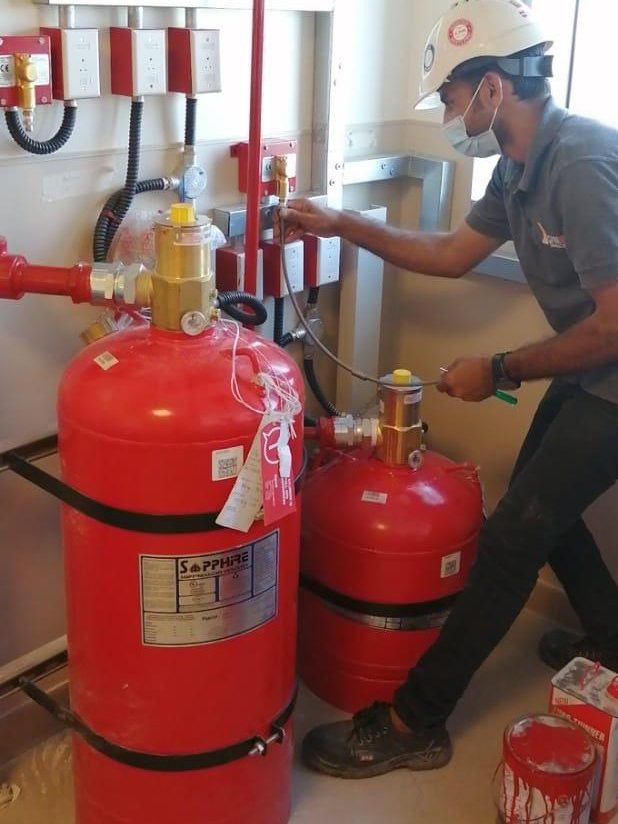
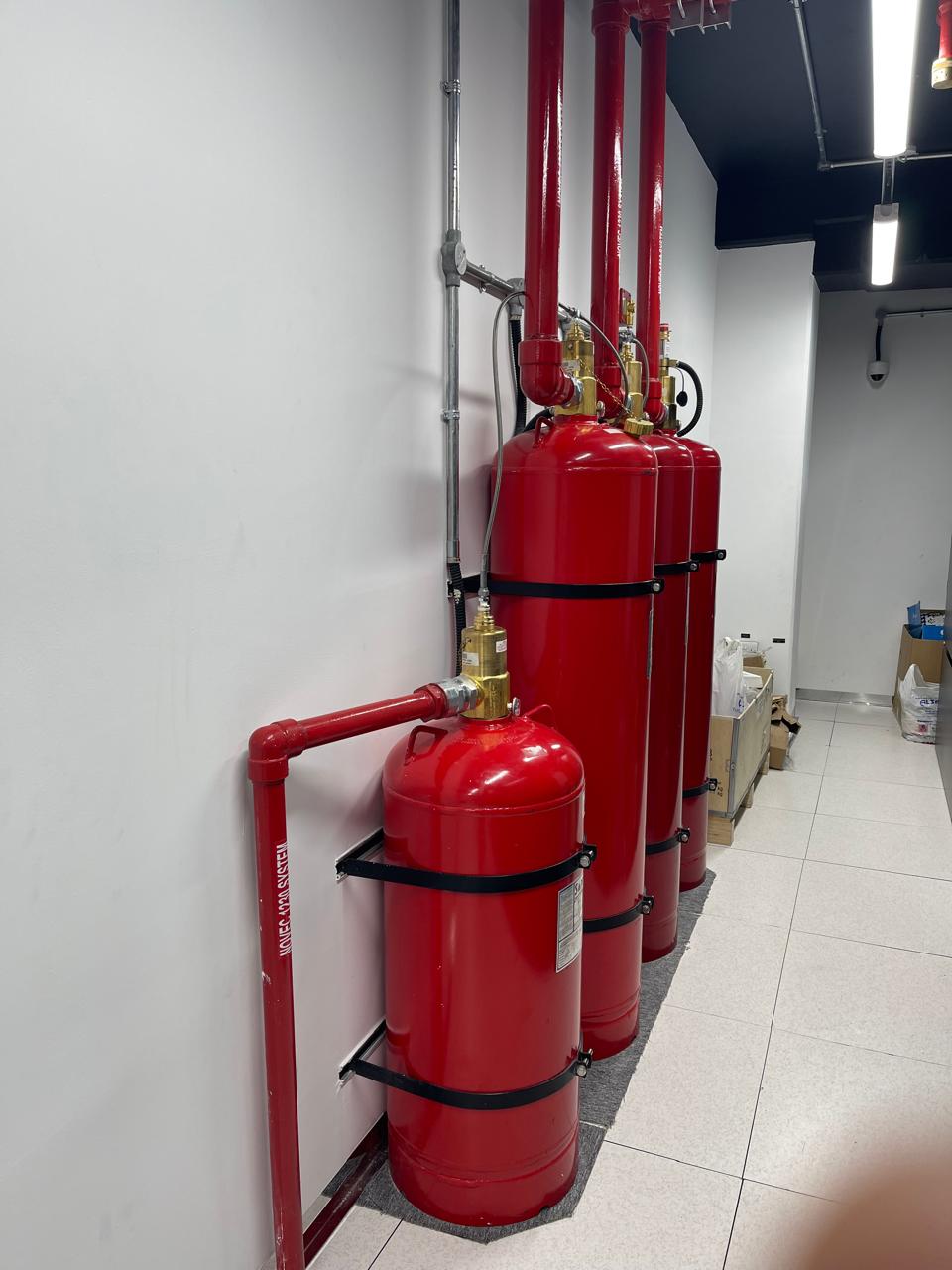
Gas fire suppression systems store the fire-suppressing agent in cylinders placed near critical areas. When a fire is detected and confirmed, the system releases the gas through a network of pipes and nozzles.
Each system is designed based on room size, layout, and the type of equipment being protected.
Different gas agents are used based on the environment and safety requirements. Common types include:
Inert gases such as nitrogen or argon reduce the oxygen level in the room to suppress fire. These gases are safe for people at safe concentrations and are ideal for spaces where electronics or delicate instruments are present.
Chemical clean agents work by interrupting the chemical reactions that cause fire. These gases do not harm electronics or machinery and are safe for occupied spaces.
Each gas agent is chosen based on the type of risk and the size of the protected area.
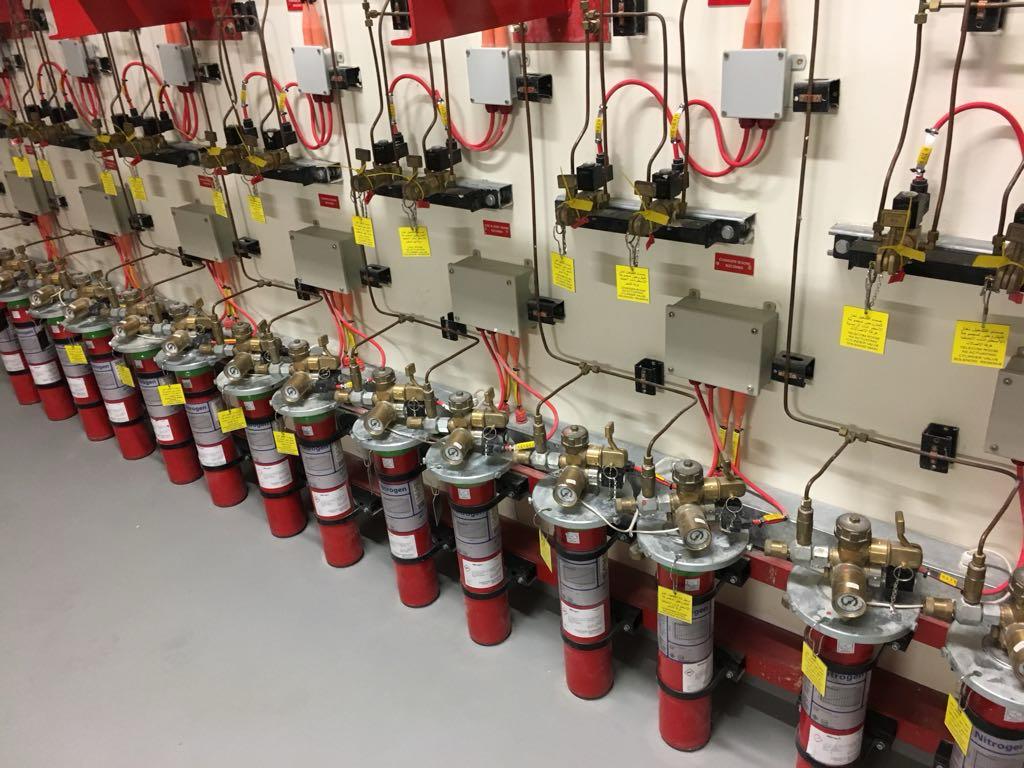
Gas fire protection systems are designed to be safe for both people and equipment. However, proper installation and maintenance are essential for safety.
Regular testing ensures that sensors, control panels, and gas release mechanisms work correctly when needed.
In sensitive and critical areas, gas fire protection offers several advantages over traditional water-based fire sprinklers.
These benefits make gas fire protection a preferred choice for spaces where even small amounts of water can cause significant harm.
Gas fire protection systems are widely used in many sensitive and critical environments such as:
In these settings, fast fire suppression and minimal damage are essential for safety and operational continuity.
Choosing the right gas fire protection system depends on several factors:
Consulting with experienced fire protection professionals helps design a system that matches the specific needs of your environment.
Gas fire protection systems offer advanced, safe, and effective fire suppression for sensitive and critical areas where traditional water systems are not suitable. These systems detect fires early, release fire-suppressing gas quickly, and protect valuable equipment without causing water damage. With types of gas agents designed for safety and precision, gas fire protection allows businesses to maintain safety, minimize damage, and ensure continuity. Choosing and maintaining the right system requires professional design, installation, and regular testing. For expert fire protection solutions, tailored system design, and reliable support, Azar Fire Safety Systems L.L.C is committed to providing high-quality gas fire protection systems that safeguard your most vital assets.