Carbon Monoxide vs Smoke: Why Separate Detectors Are Essential for Safety
Fire and gas safety are often misunderstood, especially when it comes to smoke and carbon monoxide detection. Many people believe that a single detector can protect them from all dangers, but this is not true. This blog explains the key differences between carbon monoxide and smoke, how each threat behaves, and why using separate detectors for both is essential for complete safety. You will learn how smoke detectors and carbon monoxide detectors work, where they should be installed, and how having both can save lives and protect property. By the end of this blog, you will clearly understand why relying on only one type of detector is a serious safety risk.
Understanding Smoke and Carbon Monoxide
Smoke and carbon monoxide are both dangerous, but they are very different in how they behave and how they affect people.
What Is Smoke?
Smoke is visible and usually produced by fires. It contains tiny particles and gases that can irritate the eyes, lungs, and throat. Smoke often gives people a warning sign that something is burning.
What Is Carbon Monoxide?
Carbon monoxide is a colorless, odorless, and tasteless gas. It is produced when fuel does not burn completely. Because it cannot be seen or smelled, carbon monoxide is often called a silent killer.
Key Differences Between Carbon Monoxide and Smoke
Understanding the difference between these two dangers helps explain why separate detectors are necessary.
Main Differences at a Glance
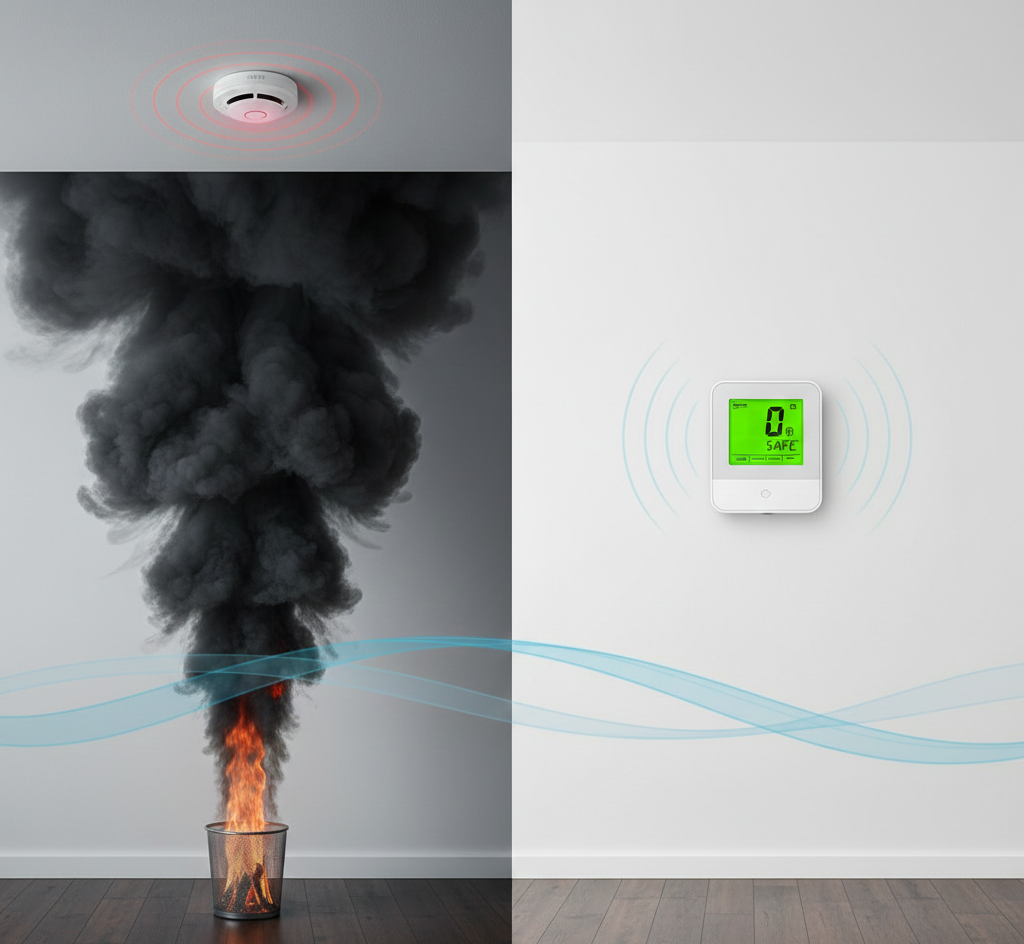
Smoke is visible, carbon monoxide is invisible
Smoke usually comes from fire, carbon monoxide comes from faulty fuel-burning appliances
Smoke triggers coughing and eye irritation, carbon monoxide causes dizziness, nausea, and loss of consciousness
Smoke rises quickly, carbon monoxide mixes evenly in the air
Because of these differences, one type of detector cannot effectively detect both threats.
How Smoke Detectors Work
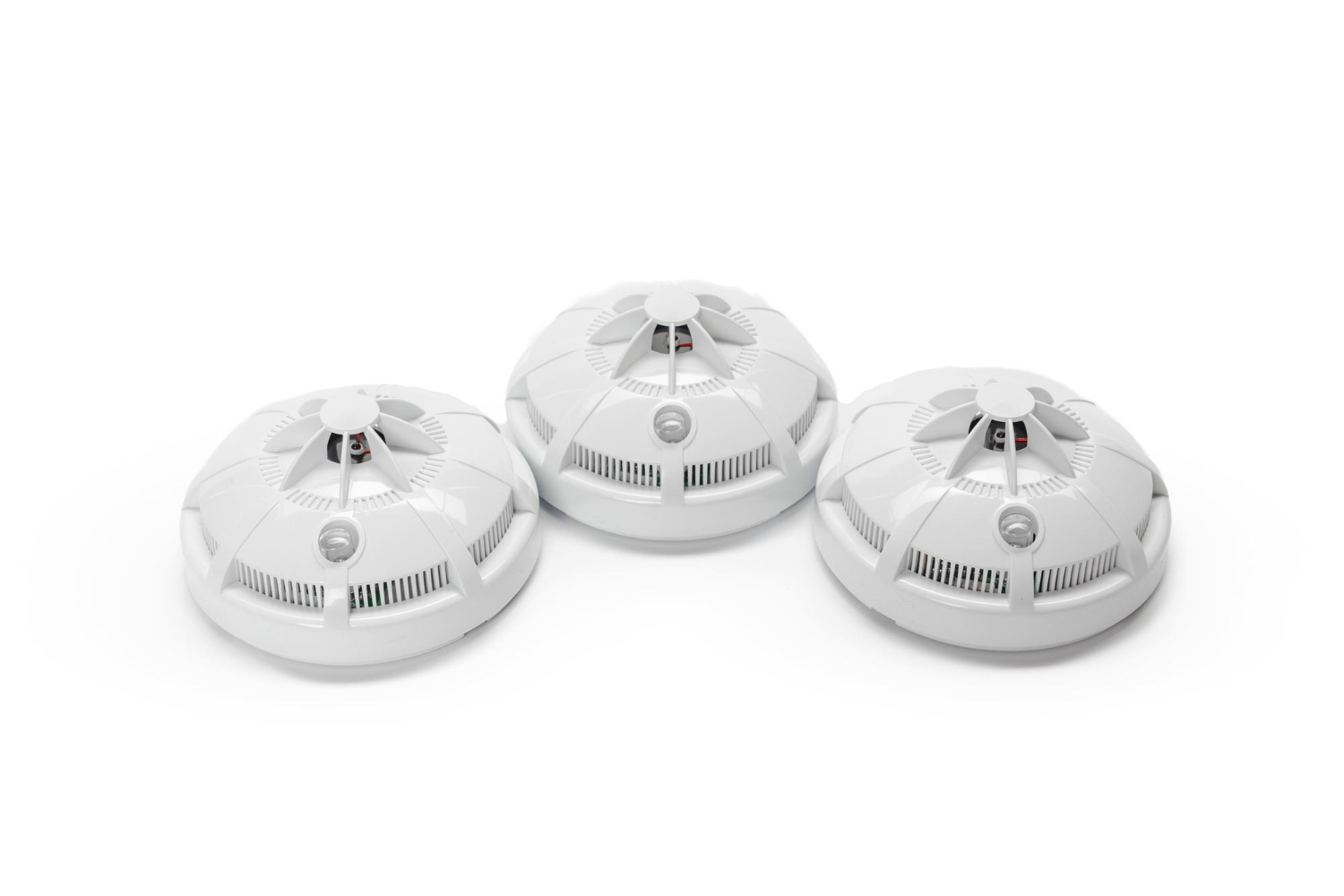
Smoke detectors are designed to sense the presence of smoke particles in the air. They alert people early so they can escape before fire spreads.
Types of Smoke Detectors
Ionization smoke detectors: React quickly to fast-flaming fires
Photoelectric smoke detectors: Better at detecting slow-smoldering fires
Smoke detectors play a vital role in early fire detection, but they are not designed to sense gases like carbon monoxide.
How Carbon Monoxide Detectors Work
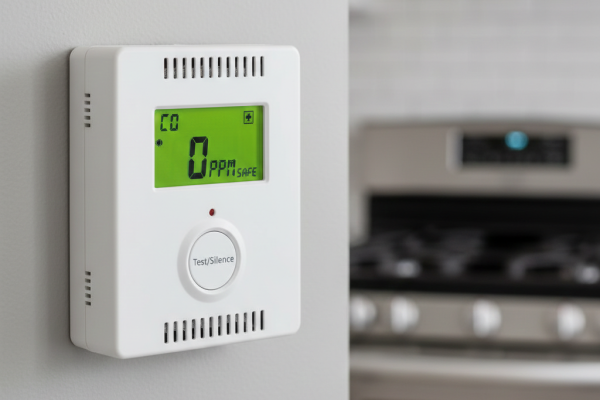
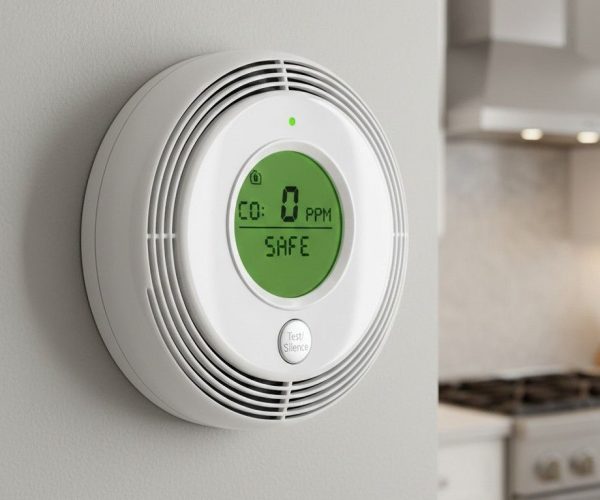
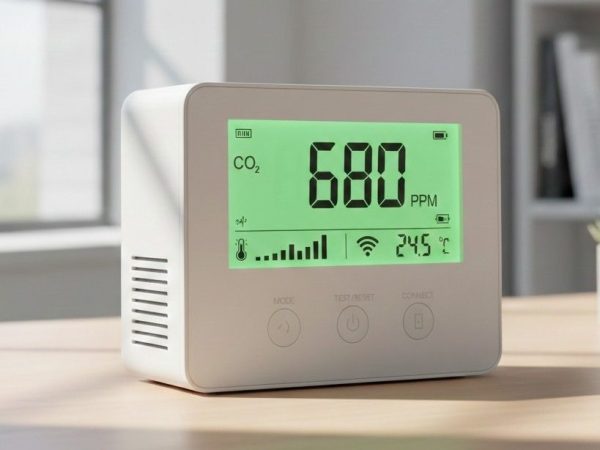
Carbon monoxide detectors are built to measure CO gas levels in the air. When unsafe levels are detected, the alarm sounds to warn occupants.
Why CO Detectors Are Unique
These are the most common and reliable sensors found in modern CO detectors. They contain a chemical solution that reacts when CO is present, producing an electrical current proportional to the gas concentration.
Detect invisible gas
Alarm before levels become deadly
Work continuously, even when people are asleep
A smoke detector cannot detect carbon monoxide, which is why a dedicated CO detector is necessary.
Why One Detector Is Not Enough
Many people assume that a smoke detector can also protect them from carbon monoxide exposure. This is a dangerous misunderstanding.
Reasons Separate Detectors Are Essential
Smoke detectors do not sense carbon monoxide
Carbon monoxide detectors do not detect smoke or fire
Each threat requires different sensor technology
Combined risks need separate alerts
Using both detectors ensures full coverage against two different life-threatening dangers.
Common Sources of Carbon Monoxide
Carbon monoxide can build up indoors due to everyday equipment and systems.
Common CO Sources Include
Gas-powered cooking equipment
Boilers and water heaters
Generators and fuel-powered tools
Poorly ventilated heating systems
Even well-maintained equipment can produce carbon monoxide if ventilation is blocked or systems malfunction.
Where Smoke and Carbon Monoxide Detectors Should Be Installed
Correct placement of detectors is just as important as having them.
Smoke Detector Placement
Inside bedrooms and sleeping areas
Outside sleeping zones
On every level of a building
Near stairways and hallways
Carbon Monoxide Detector Placement
Near sleeping areas
Close to fuel-burning appliances
On each level of the property
At recommended height based on manufacturer guidelines
Proper installation ensures early warnings and faster response.
Benefits of Installing Separate Detectors
Using both smoke and carbon monoxide detectors provides complete protection for people and property.
Key Benefits
Early detection of fire and gas leaks
Reduced risk of injury or death
Improved response time during emergencies
Peace of mind for families and businesses
Compliance with modern safety standards
Separate detectors work together to create a safer environment.
Trending Safety Practices in Fire and Gas Detection
Modern safety systems are becoming smarter and more reliable.
Current Trends in Detection Systems
Smart detectors with mobile alerts
Integration with fire alarm systems
Battery-backup and power-failure protection
Regular self-testing features
These advancements improve reliability and reduce the risk of system failure.
Maintenance and Testing of Detectors
Having detectors is not enough if they are not maintained properly.
Important Maintenance Tips
Test alarms monthly
Replace batteries on time
Clean detectors to prevent dust buildup
Replace detectors after their recommended lifespan
Regular testing ensures detectors work when they are needed the most.
Why Businesses and Homes Need Both Detectors
Both residential and commercial spaces face risks from fire and carbon monoxide exposure. Offices, residential buildings, and mixed-use properties often use fuel-powered systems, making CO detection critical.
Having separate detectors helps protect:
People’s lives
Valuable equipment
Property and infrastructure
Business continuity
Safety systems should always be designed to cover all possible risks.
Conclusion
Smoke and carbon monoxide are two very different dangers that require different detection methods. Smoke detectors provide early warning of fires, while carbon monoxide detectors protect against an invisible and silent gas that can be deadly. Relying on only one type of detector leaves serious safety gaps. Installing separate smoke and carbon monoxide detectors ensures full protection, faster response, and greater peace of mind. Proper placement, regular maintenance, and modern detection technology play a key role in creating a safe environment. For reliable fire and gas safety solutions, professional system design, and expert guidance, Azar Fire Safety Systems L.L.C provides trusted safety systems that help protect lives, property, and critical spaces.